

Alcohol, Bladder Cancer, and Skin Cancer Risk
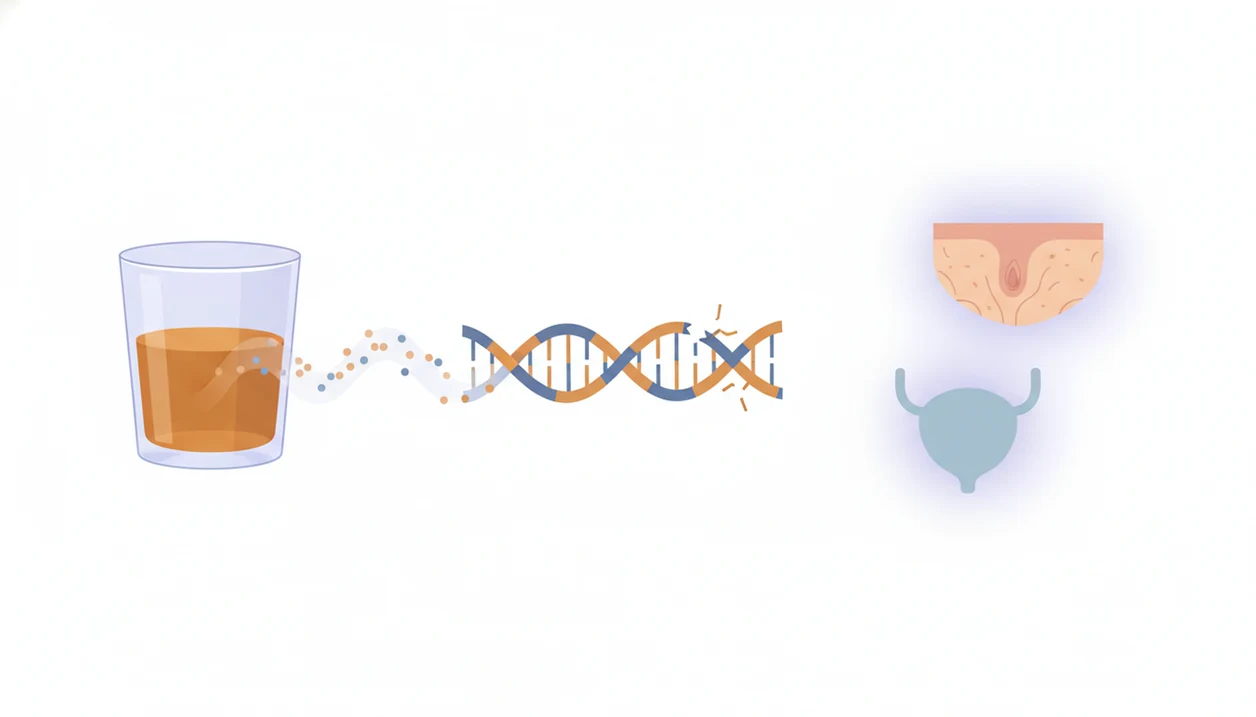
Cancer risk rarely comes down to one habit. For bladder cancer, smoking, age, sex, and certain workplace exposures have clearer roles than alcohol. For skin cancer, ultraviolet exposure and tanning beds remain central. Alcohol may still matter because the body converts ethanol into acetaldehyde, which can damage DNA and interfere with repair and immune defenses.
The practical question is not simply whether a particular drink causes a particular tumor. It is how strong the evidence is, which risks you can change, and how to cut down safely if drinking has become heavy or daily.
Bottom line
Alcohol is a proven carcinogen, but current research does not clearly establish that it causes bladder cancer. Some studies suggest higher risk with heavier intake, while major reviews find no overall dose-response link. Evidence for melanoma and basal cell carcinoma is limited but suggestive. Drinking less can still reduce established alcohol-related cancer risks, and smoking and UV exposure remain major targets.
How strong is the evidence for these two cancers?
Alcohol is a proven carcinogen overall, but the alcohol bladder skin cancer risk picture is less settled than the evidence for liver, breast, colorectal, mouth, throat, voice box, and esophageal cancers. The honest answer is “possible and biologically plausible,” not “equally proven for every cancer.”
For bladder cancer, older studies have been inconsistent. A 2021 prospective cohort dose-response meta-analysis found that each extra drink per day was linked with a 9% higher bladder cancer risk. For skin cancer, the World Cancer Research Fund classifies evidence for basal cell carcinoma and melanoma as limited suggestive.
Dose matters more than the label on the bottle. Beer, wine, and spirits all contain ethanol, though some skin cancer studies have raised questions about white wine.
The practical lever is still simple. Drinking less or quitting can lower one controllable risk, especially when paired with not smoking and reliable sun protection. The Friday 6 p.m. drink that makes a cigarette feel automatic is worth noticing, not judging.
Alcohol and bladder cancer: mixed results from major reviews
Does alcohol raise bladder cancer risk? The evidence is mixed, but newer dose-response data suggest alcohol may modestly increase risk, especially as daily intake rises.
Some older reviews and large studies did not find a clear association. That uncertainty is legitimate, because bladder cancer research is heavily affected by smoking, occupational exposures, and measurement problems. People do not always report drinks accurately, and drinking patterns can change across decades.
A 2021 meta-analysis of prospective cohort studies found that each 1-drink-per-day increase was associated with a 9% higher bladder cancer risk the NIH alcohol data. The reported 9% association describes a population-level pattern, not proof that a single daily drink caused an individual tumor. It means the risk curve may rise as intake becomes more regular or heavier.
For bladder cancer prevention, not smoking is still the major priority. Alcohol may add risk on top of tobacco risk, particularly when drinking and cigarettes travel together. Game-night cans beside cigarette packs are not two separate habits for many people.
Because tobacco is the strongest established bladder cancer driver, quitting smoking usually offers people who smoke more bladder protection than changing alcohol use alone.
Why bladder cancer estimates differ
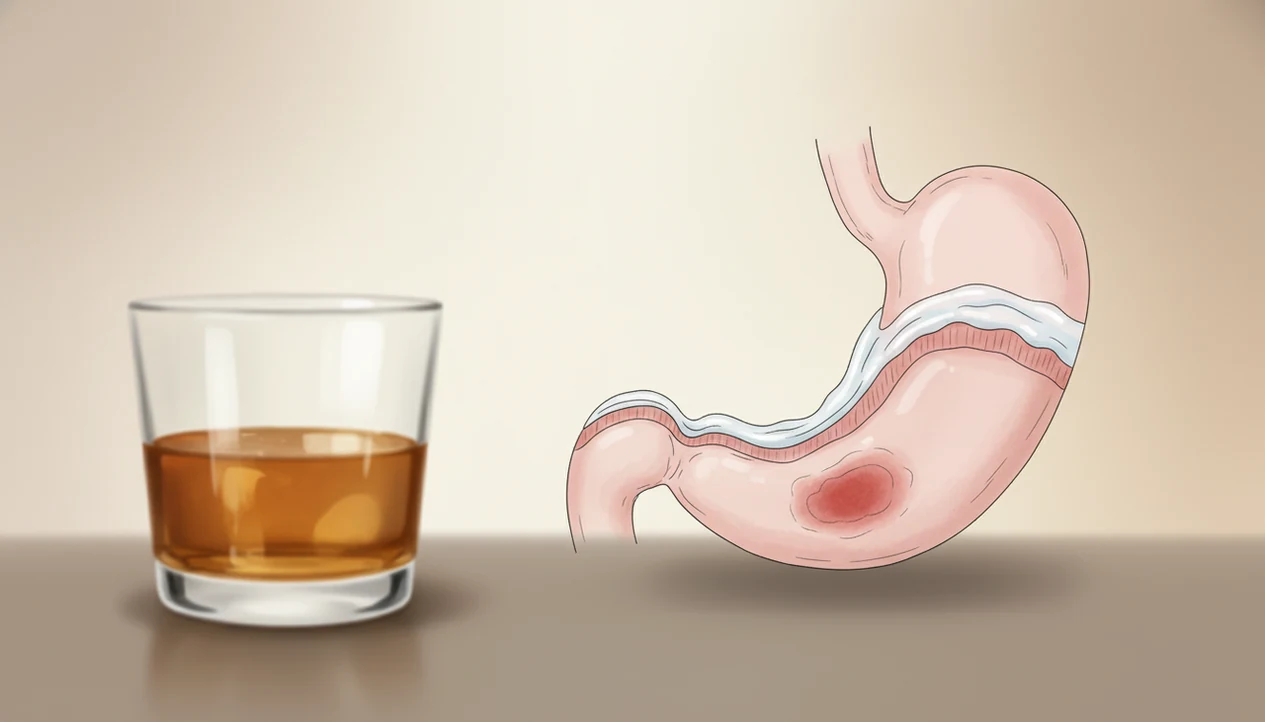
The most useful reading of the evidence is cautious. A 2019 systematic review and meta-analysis found no statistically significant overall increase in bladder cancer among people with moderate or heavy alcohol intake. It did find higher estimates in certain subgroups, including heavy-drinking men and heavy-drinking Japanese participants. Subgroup findings can point toward questions for further study, but they do not prove that alcohol causes bladder cancer across the population.
A 2024 World Cancer Research Fund review also found no clear dose-response relationship. Its pooled estimate was a relative risk of 0.97 per 10 grams of ethanol a day, with a confidence interval that included no effect. These findings make the bladder cancer link uncertain, not alcohol harmless. Alcohol causes several other cancers, and drinking less reduces exposure to ethanol and acetaldehyde.
Does alcohol cause skin cancer?
Does alcohol raise skin cancer risk? The evidence is limited but growing, with the strongest concern around modest increases in melanoma and basal cell carcinoma at higher intake.
The World Cancer Research Fund’s 2024 review classifies alcoholic drinks and risk of basal cell carcinoma and malignant melanoma as “limited suggestive” wcrf alcohol data. That phrase matters. It means the signal is credible enough to watch, but not conclusive in the way alcohol’s link to several other cancers is.
Reported increases tend to be modest and more visible among people who drink more. Some studies have reported stronger associations with white wine, but total ethanol exposure remains the main biological concern. A drink type signal may also reflect lifestyle patterns, sun exposure, or screening behavior.
Skin cancer risk still depends heavily on UV exposure, tanning beds, skin type, family history, immune status, and prior skin cancers. If you want the broader body-aging context, our guide to alcohol biological aging explains related repair and inflammation pathways.
Why ethanol and acetaldehyde raise broader cancer concerns
- Alcoholic beverages and acetaldehyde are carcinogenic; the International Agency for Research on Cancer classifies alcoholic beverages as Group 1 carcinogens the World Health Organization.
- In 2020, an estimated 741,300 new cancer cases, or 4.1% of all new cancers worldwide, were attributable to alcohol consumption, according to a global analysis the NIH.
- Acetaldehyde can bind to DNA, form DNA adducts, increase reactive oxygen species, and interfere with DNA repair.
- Alcohol can weaken immune surveillance, the process that helps the body detect and remove abnormal cells before they grow.
- Even low or moderate drinking can contribute to cancer risk for some sites, so cancer agencies do not define a risk-free drinking threshold.
One drink on paper can look minor. In real life, it may be the weeknight pour after laptop shutdown that quietly becomes four nights a week. For cancer prevention, repeated exposure is the pattern that matters.
How alcohol could affect bladder and skin tissue
Alcohol-related cancer mechanisms in bladder and skin tissue work mainly through ethanol metabolism into acetaldehyde, oxidative stress, immune effects, and impaired DNA repair. These mechanisms make risk biologically plausible, but they do not prove the same level of risk for every cancer type.
How alcohol-related cancer mechanisms work: the body converts ethanol into acetaldehyde, a toxic compound that can damage DNA and create DNA adducts. These chemical changes can mark genetic material and make normal DNA repair less effective. Alcohol metabolites and inflammation signals circulate beyond the liver, so the bladder, skin, immune system, and blood vessels can all be exposed.
Bladder tissue is relevant because urine can concentrate waste products and carcinogens that pass through the urinary tract. Smoking remains the dominant bladder cancer risk factor, and alcohol may add vulnerability rather than replace that risk. Skin tissue is different. UV light causes direct DNA injury, and alcohol-related oxidative stress or immune suppression may make cleanup less efficient.
A headache behind the eyes at dusk is not a cancer sign. It is just a useful reminder that alcohol affects more than the next morning.
Visible blood in urine, persistent urinary pain, or a changing, bleeding, growing, or nonhealing skin spot should be assessed promptly. Call emergency services for a withdrawal seizure, hallucinations, marked confusion, extreme agitation, severe shaking, or inability to keep fluids down.
Immune surveillance, DNA repair, and repeated UV damage
Immune surveillance means your immune system helps find abnormal cells and remove them before they become a larger problem. Alcohol can interfere with that surveillance, disrupt inflammation balance, and slow normal tissue repair.
This matters for both bladder and skin cancer plausibility. In bladder tissue, abnormal cells may be exposed to urinary carcinogens and inflammatory signals. In skin, the challenge repeats constantly. UV light damages DNA, and the body relies on repair enzymes plus immune cleanup to limit the chance that injured cells survive.
Alcohol does not need to “cause cancer to spread faster” to be relevant. The more careful claim is that drinking can increase vulnerability by making DNA repair and immune response less efficient. Reduce avoidable carcinogen exposure, keep scheduled screening and follow-up visits, and discuss alcohol with your care team during cancer treatment.
A mint vape in a hoodie pocket can pair with drinks in the same trigger loop, which is why nicotine and alcohol plans often need to be handled together.
Pair drinking changes with stronger cancer protections
Reducing or stopping alcohol is a practical risk-reduction choice, not a character test. Cutting repeated ethanol exposure can help, but bladder and skin protection should also address smoking, workplace carcinogens, tanning beds, and ultraviolet exposure.
Track alcohol patterns before changing them
Start with a plain record: drinks, time, place, craving window, and what happened next. A seven-day record of each drink, its time, and the situation around it can reveal patterns that a general promise to drink less may miss.
Stack alcohol reduction with sun and smoking safeguards
Pair alcohol reduction with not smoking, sunscreen, shade, protective clothing, avoiding tanning beds, and regular skin checks. If bladder symptoms appear, such as blood in urine, pain, or unexplained changes, ask a clinician rather than trying to self-sort it.
For more day-by-day support, our alcohol reduction guides cover cravings, limits, and reset planning.
Make alcohol reduction specific and repeatable
Use alcohol reduction as a repeatable protection routine, not a one-time promise. The aim is to make drinking patterns visible, lower ethanol exposure, and prevent the paired choices that often raise bladder or skin risk at the same time.
- Log your baseline for seven days before setting a target, including drink count, time, place, craving level, and what happened next.
- Set a clear limit such as a maximum number of drinks per week, a per-occasion cap, or specific dry days you can actually check.
- Remove paired triggers by separating alcohol from cigarettes, vaping, late-night pours, or the “one more” drink that follows screen time.
- Use sun protection before outdoor drinking, beach plans, sports, or patio time, including sunscreen, shade, a hat, and protective clothing.
- Reset after slips by writing down the trigger and the next step, then continue the plan instead of treating one off-plan drink as failure.
- Review weekly to spot patterns, tighten limits, add support, or change the highest-risk window.
Check withdrawal risk before you stop drinking
The immediate concern for someone who drinks heavily every day may be withdrawal rather than long-term cancer risk. According to NIAAA clinical guidance, withdrawal after chronic heavy drinking can be life-threatening. Do not stop suddenly without medical advice if you drink heavily each day, need alcohol in the morning, or have previously had severe shaking, seizures, hallucinations, or delirium during a cutback.
- Tell a clinician how much and how often you drink, when you last drank, and which medicines or other drugs you use.
- Mention any previous withdrawal symptoms, seizures, hallucinations, serious medical conditions, or use of sedatives.
- Follow the recommended setting and schedule for reducing or stopping. Some people need medication and supervised care.
Withdrawal may begin within 6 to 12 hours. A clinical review of alcohol withdrawal reports that seizures most often occur 24 to 48 hours after stopping, while delirium tremens typically develops at 48 to 72 hours.
Blood in urine or a changing spot needs medical attention
Contact a clinician about possible bladder or skin cancer symptoms rather than waiting to see if changing your drinking makes them disappear. A drink log can show patterns, but it cannot evaluate blood, pain, changing tissue, or whether a spot needs testing.
- Call a clinician if you see blood in your urine, have persistent burning or urinary pain, or notice unexplained changes in urination that do not settle quickly.
- Book a skin check for a mole that changes size, shape, color, border, or sensation, or for a sore that does not heal.
- Flag bleeding skin lesions or crusting, growing, painful, or repeatedly irritated spots instead of watching them for months.
- Ask your oncology or urology team before changing alcohol use if you are in cancer treatment, surveillance, or recovery, because medications, procedures, and immune status can change the advice.
- Seek urgent care for severe pain, heavy bleeding, inability to urinate, fever with urinary symptoms, rapidly worsening skin changes, or symptoms that feel suddenly unsafe.
Questions about alcohol and these cancer risks
Does alcohol cause bladder cancer?
Alcohol is not clearly established as a cause of bladder cancer. Major reviews have found no statistically significant overall association or consistent dose-response pattern, although some studies report higher estimates in certain heavy-drinking groups. Smoking remains the strongest established preventable bladder cancer risk factor.
Does alcohol cause skin cancer?
The evidence is limited but suggestive for melanoma and basal cell carcinoma, particularly at higher alcohol intake. That is weaker than the evidence linking alcohol to cancers such as breast, liver, mouth, and throat cancer. Ultraviolet exposure, tanning beds, skin type, and family history remain major skin cancer factors.
Does wine increase melanoma risk?
Some observational studies have reported an association between wine, including white wine, and melanoma. Those results cannot fully separate ethanol from sun exposure, outdoor habits, income, or screening behavior. No type of alcoholic drink should be considered protective. For melanoma prevention, limiting UV exposure remains the better-established step.
Is beer safer than spirits for bladder cancer risk?
There is not enough evidence to label beer safer than spirits for bladder cancer. Beer, wine, and liquor all contain ethanol. Serving size and alcohol concentration determine the dose. In the United States, one standard drink contains about 14 grams of pure alcohol, but strong beer and large pours may count as multiple drinks.
How does alcohol damage DNA?
The body converts ethanol into acetaldehyde, a toxic compound that can bind to DNA and form chemical changes called DNA adducts. Alcohol can also increase oxidative stress and interfere with normal DNA repair. These mechanisms help explain alcohol's established link to several cancers, but they do not prove equal risk for every cancer type.
Can quitting alcohol lower cancer risk?
Reducing or stopping alcohol lowers exposure to ethanol and acetaldehyde and can reduce established alcohol-related health risks. Research cannot provide a precise bladder or skin cancer reduction for one person. Cancer protection is stronger when alcohol reduction is combined with not smoking, UV protection, and attention to occupational exposures.
Should someone with bladder cancer drink alcohol?
Ask the treating urologist or oncology team. Advice can depend on treatment, surgery, urinary symptoms, liver and kidney function, hydration, and medication interactions. Alcohol may worsen sleep, dehydration, nausea, or treatment side effects. Do not use population studies to make treatment decisions without discussing your specific situation.
Is it safe to stop drinking suddenly?
Not always. Abruptly stopping after heavy, prolonged daily drinking can cause dangerous withdrawal, including seizures and delirium tremens. Get medical advice first if you drink heavily each day, drink in the morning, use sedatives, or have had shaking, hallucinations, seizures, or severe withdrawal before.