
How Alcohol Affects Urgency, Leaks and Bladder Control
A night of drinking can turn into repeated bathroom trips, a sudden leak on the way home or waking to a wet bed. Alcohol may be the trigger, especially when symptoms appear during drinking or overnight and ease on alcohol-free days. Beer, wine and liquor can all contribute.
Still, alcohol is not the only possible cause. Infection, constipation, medication effects, pelvic floor weakness, prostate problems, pregnancy-related changes, menopause and neurological conditions can produce similar symptoms. The useful first step is to compare drinking days with alcohol-free days without deliberately dehydrating yourself.
Bottom line
Alcohol can worsen bladder control by increasing urine production, irritating the bladder and making it harder to notice or respond to fullness. This may lead to frequent urination, sudden urgency, leaks or bedwetting. Cutting back and tracking symptoms for 7 to 14 days can reveal a pattern, but persistent or painful symptoms need medical assessment.
Five ways drinking can disrupt bladder control
- Alcohol lowers vasopressin. Vasopressin, also called antidiuretic hormone, helps the body hold onto water. Alcohol suppresses it, so the kidneys release more water as urine. Clinical reviews describe this alcohol-related suppression of antidiuretic hormone as one reason drinking can increase urine output the NIH.
- Alcohol can irritate the bladder. Some people feel alcohol urinary urgency, burning, or “I need to go now” pressure after wine, beer, or spirits.
- Dehydration can make urine harsher. After a few drinks, urine may become more concentrated later on, which can sting or aggravate an already sensitive bladder.
- Alcohol slows the response loop. You may notice fullness later, stand up slower, or ignore the first signal too long. That rain-specked windshield smoke break can turn into a rushed bathroom search.
- Cutting back is a useful test. For many people, fewer drinks means fewer nighttime trips, fewer leaks, and less urgency.
Start with safety, not self-diagnosis
This guide can help you recognize patterns between alcohol and bladder control, but it cannot diagnose the cause of your symptoms. New, painful, severe, or fast-changing bladder problems need clinical care, even if they seem to happen after drinking.
Use tracking as a conversation tool, not a verdict. A few notes about drinks, timing, urgency, leaks, sleep, pain, and emptying can help a clinician see what is changing and what else should be checked.
- Track drinking days and alcohol-free days so you can compare symptoms instead of relying on memory.
- Notice whether symptoms include pain, burning, blood, fever, numbness, weakness, or trouble urinating.
- Arrange medical care if symptoms are new, painful, severe, recurrent or interfering with sleep and daily activities.
- Avoid stopping suddenly without medical advice if you drink heavily or may be physically dependent, because withdrawal can be dangerous.
- Seek urgent help for red flags such as inability to urinate, severe pain, blood in urine, fever, new neurological symptoms, or sudden loss of bladder control.
Why alcohol can cause frequent and urgent urination
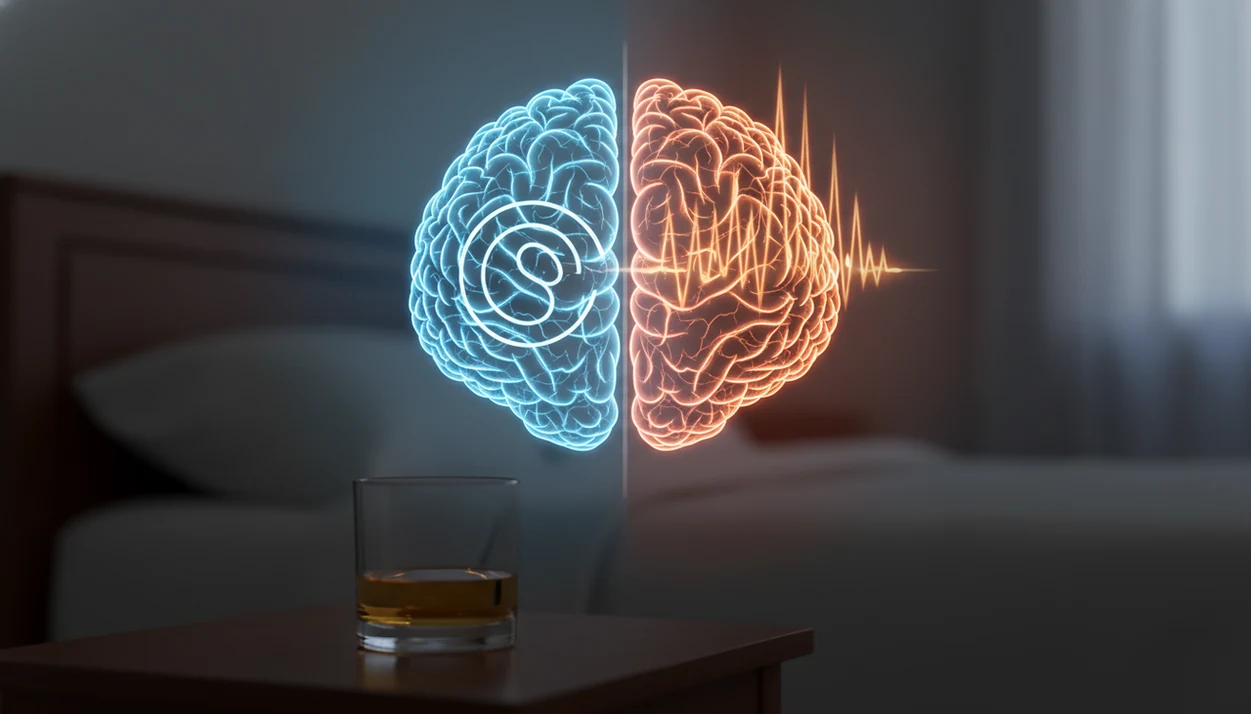
Alcohol-related urinary urgency happens when alcohol increases urine volume while making the bladder lining and brain, bladder signaling less predictable. The main mechanism is vasopressin suppression, which means the kidneys let more water leave the body as urine.
When urine enters the bladder faster, the bladder stretches sooner. That stretch can trigger frequency, urgency, or accidents, especially if alcohol also irritates the bladder lining. The NHS lists alcohol as a diuretic that can make people urinate more often and recommends cutting down as one first-line step for urinary incontinence the NHS.
The cue can be subtle at first. A person may feel fine during the first drink, then suddenly start scanning the room for the restroom after the second. A useful first response is to record the pattern, reduce likely bladder irritants and seek an evaluation for new, painful or severe symptoms.
Get prompt medical care for blood in urine, fever, severe pain, sudden inability to urinate, new weakness or numbness, or a sudden loss of bladder control. If you drink heavily or daily, ask a clinician before stopping abruptly because alcohol withdrawal can cause seizures, hallucinations and severe confusion.
Leaks, pelvic floor strain and slower muscle control
Pelvic floor muscles help hold urine in during coughing, laughing, lifting, exercise, and sleep. Alcohol can make their job harder by filling the bladder faster while slowing coordination and reaction time.
If you already have alcohol and pelvic floor dysfunction symptoms, a drinking night may bring dribbling, small gushes, or accidents that don’t happen on dry days. Heavy or prolonged drinking may also contribute to general muscle weakness, which can reduce pelvic support over time. Pregnancy, menopause, constipation, surgery, prostate problems and aging may also contribute to leakage or pelvic floor symptoms. Pregnancy, menopause, constipation, surgery, prostate issues, and aging can all matter.
Pelvic floor exercises may help some people, but they are not a cure for every type of leakage. For alcohol-related leaks, reducing the bladder load often works better than trying to squeeze harder after the urge has already peaked. For people cutting back across several body systems, our alcohol reduction guides cover related habit changes.
Pelvic floor exercises and bladder training serve different jobs
Pelvic floor exercises can improve some forms of urinary leakage, but they are not an immediate fix for a bladder filled quickly by alcohol. Technique and sustained practice over weeks or months matter. The NHS overview of urinary incontinence lists pelvic floor training and bladder training among the main non-surgical treatments.
Bladder training is aimed more directly at frequent and urgent urination. It uses a written schedule and gradually increases the time between toilet visits. Pelvic floor contractions may help settle an urge while the interval is extended. Follow a structured plan rather than holding urine through pain. The University Hospitals Coventry and Warwickshire bladder retraining guide describes this gradual approach.
Can alcohol worsen neurogenic bladder symptoms?
Does alcohol make neurogenic bladder symptoms worse? Alcohol can worsen symptoms in some people because it slows the central nervous system, increases urine production, and may weaken awareness of bladder fullness.
That is the double hit: more urine plus a slower signal response. People with alcohol and neurogenic bladder concerns may be more vulnerable to urgency, retention, overflow leakage, incomplete emptying, or nighttime accidents. A half-poured wine glass on the counter may not look like a bladder trigger, but timing often tells the story the next morning.
Do not self-diagnose neurogenic bladder from drinking symptoms alone. Seek medical evaluation if you have urinary retention, numbness, recurrent UTIs, new weakness, loss of bladder sensation, or new bowel changes. Those signs need more than a drink tracker. Alcohol reduction may still help, but nerve-related bladder symptoms deserve clinical attention.
Alcohol-related urgency vs UTI and overactive bladder
Alcohol-triggered urgency usually appears during drinking or in the hours after, then improves on alcohol-free days. UTI, overactive bladder, and incontinence can overlap with that pattern, so timing alone is not enough.
| Symptom pattern | What it may suggest | What to watch |
|---|---|---|
| Urgency after beer, wine, or spirits | Alcohol-triggered bladder irritation or diuresis | Improves when you skip alcohol |
| Burning, fever, blood, foul smell | Possible UTI or other medical issue | Needs clinical care, especially if worsening |
| Frequent sudden urges on many days | Overactive bladder, possibly worsened by alcohol | Track caffeine, alcohol, fluids, and stress |
| Leaks with coughing or laughing | Stress incontinence or pelvic floor strain | Pelvic floor assessment may help |
| Leaks in older adults | Common incontinence, aggravated by alcohol | The National Institute on Aging reports that urinary incontinence affects about 24% of women and 11% of men age 65 and older the NIH. |
Overactive bladder affects an estimated 16.9% of women and 16% of men in the United States, and alcohol is commonly listed as a bladder irritant in clinical guidance the NIH. Improvement after cutting back suggests that alcohol is a trigger, but it does not rule out another bladder condition.
Beer vs wine vs liquor: the drinking pattern matters more
All alcoholic drinks contain ethanol, and ethanol drives the diuretic effect. Beer may add more fluid volume, but spirits and wine can still worsen urgency, leaks, and nighttime urination.
The pattern often matters more than the label. Total dose, speed of drinking, hydration, and bedtime drinking can change how hard the bladder gets pushed. The “breaking the seal” idea is misleading because alcohol increases urine production whether your first bathroom trip happens early or late. The bathroom trip did not cause the cycle; the alcohol did.
Even moderate drinking can trigger symptoms in people with sensitive bladders, overactive bladder, or pelvic floor issues. If symptoms also show up with blackouts or next-day panic, the pattern may be broader than bladder control. The overlap is covered in alcohol blackout anxiety.
Run a 7 to 14 day alcohol and bladder check
A simple alcohol-and-bladder experiment can show whether drinking is a trigger by comparing drinking days with non-drinking days. Use a two-to-four-week reduction or alcohol-free trial if it is safe for you to cut back.
A simple bladder-and-alcohol tracking plan
- Log each drink. Note the type, number, time, and whether you drank close to bedtime.
- Record bladder symptoms. Track urgency, leaks, nighttime urination, burning, dribbling, and trouble starting or emptying.
- Compare dry days with drinking days. Look for patterns the next morning, not just during the night.
- Change one friction point. Space fluids, avoid bedtime alcohol, and put a bathroom break before the car ride home.
- Add a replacement action. Use water, gum, a phone timer, or a short walk when the urge to pour another drink appears.
- Review weekly. Keep what helped and adjust what did not.
It can support habit change, but it cannot diagnose bladder disease, manage alcohol withdrawal, or replace medical care.
For people with alcohol-triggered urgency, a short alcohol-free trial is often clearer than guessing because it creates a direct before-and-after comparison.
Do not test the connection by drinking too little water
Reducing alcohol does not mean restricting all fluids. Too little fluid can concentrate urine, which may aggravate bladder irritation, and can contribute to constipation, dizziness and dehydration. Keep your ordinary fluid intake while comparing alcohol-free and drinking days unless a clinician has given you different instructions for a heart, kidney or other medical condition.
Change one variable at a time. Cut back on alcohol first, keep other fluid intake reasonably consistent and note caffeine or fizzy drinks that may also trigger urgency.
NHS bladder materials caution against inadequate fluid intake and explain that concentrated urine may irritate the bladder. See this NHS Tayside bladder health guidance.
Symptoms that should not wait
Alcohol reduction may help bladder symptoms, but it should not replace medical evaluation when red flags appear. Seek care for blood in urine, fever, severe pain, new incontinence, inability to urinate, recurrent UTIs, numbness, weakness, or new neurological symptoms.
Other causes can look like alcohol bladder control problems. Infection, prostate enlargement, pelvic organ prolapse, diabetes, medication effects, pregnancy, menopause, constipation, and neurological disease can all change bladder control. If you are measuring a shot glass near the sink and also unable to empty your bladder, that is not a self-coaching moment. Get help.
People who drink heavily should ask a clinician before stopping suddenly, because alcohol withdrawal can be dangerous. Pelvic floor physical therapy, bladder retraining, and medical treatment can be useful when the cause is not just alcohol. Alcohol can be one trigger in a bigger trigger map.
Alcohol and bladder questions
Does alcohol make you pee more?
Yes. Alcohol suppresses vasopressin, also called antidiuretic hormone, which normally helps the body retain water. The kidneys then release more water into the urine, filling the bladder faster. The effect varies with the amount consumed, drinking speed, other fluids and personal bladder sensitivity.
Can alcohol cause sudden urinary urgency?
Alcohol can trigger or intensify urgency by increasing urine volume and irritating a sensitive bladder. The urge may appear during drinking, several hours later or overnight. If urgency also occurs on alcohol-free days, or comes with burning, fever, pain or blood, another condition needs to be considered.
Does alcohol cause incontinence and bladder leaks?
Alcohol may contribute to leaks by filling the bladder quickly while slowing awareness, coordination and reaction time. It can aggravate stress, urge or overflow leakage that already has another cause. Repeated leakage should be assessed rather than blamed entirely on drinking, especially if it continues during alcohol-free periods.
Why do I wet the bed after drinking alcohol?
Alcohol can increase urine production, disrupt sleep and make it harder to wake when the bladder is full. Risk may be higher after drinking close to bedtime. Empty your bladder before sleep and keep the route to the toilet clear. Repeated adult bedwetting deserves medical assessment.
Is beer worse for bladder control than wine or liquor?
Beer may add more total fluid, but ethanol in beer, wine and liquor can all increase urination. Total alcohol, drinking speed, bedtime timing and individual sensitivity often matter more than the type. A diary comparing drink type, amount and symptoms can help identify your particular trigger.
Can cutting out alcohol improve incontinence?
Cutting back may reduce frequency, urgency, nighttime urination and some leaks when alcohol is a trigger. Improvement does not prove alcohol was the only cause, and research does not show a uniform response for everyone. Symptoms that persist, recur or worsen should be discussed with a clinician.
How long should I track alcohol and bladder symptoms?
A 7 to 14 day diary is a practical starting point. Record each drink, timing, caffeine, bathroom trips, sudden urges, leaks, nighttime waking, pain and trouble emptying. Include alcohol-free days for comparison. If heavy daily drinking makes stopping risky, ask a clinician to help plan the reduction first.
When do bladder symptoms after drinking need medical care?
Seek prompt care for blood in urine, fever, severe pain, inability to urinate, recurrent infections, new weakness or numbness, loss of bladder sensation or sudden incontinence. Arrange a routine assessment when leakage is recurrent, affects sleep or daily life, or continues even when you do not drink.