How Alcohol Changes Brain Chemistry and Anxiety
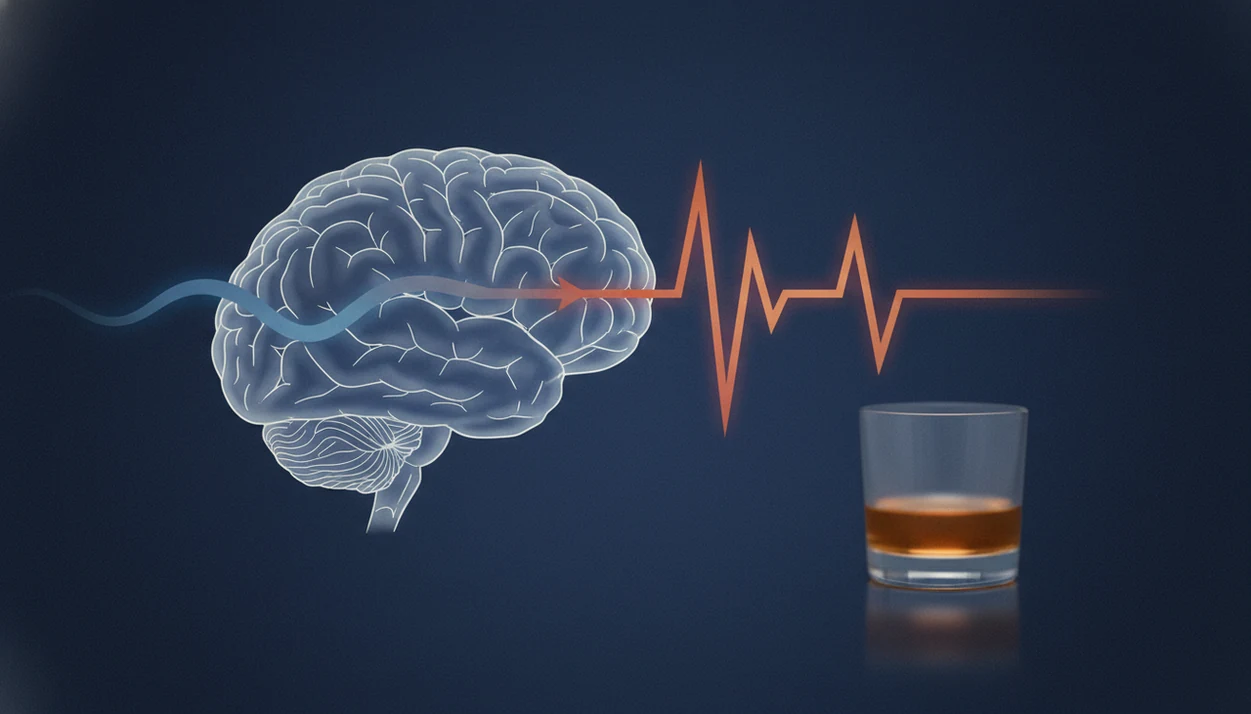
Quick answer: alcohol anxiety brain chemistry describes the rebound pattern that can happen when alcohol first boosts calming signals, then wears off and leaves the brain more wired, stressed, and sleep-disrupted. The key players include GABA, glutamate, serotonin, dopamine, sleep disruption, and stress hormones, which help explain hangxiety and next-day anxiety after drinking.
> Definition: Alcohol anxiety brain chemistry describes how drinking changes neurotransmitters and stress systems that regulate calm, mood, sleep, cravings, and anxiety.
TL;DR
- Alcohol can feel calming at first because it increases GABA activity, but that calm is temporary.
- As alcohol wears off, glutamate and stress-system rebound can drive hangxiety, poor sleep, shakiness, and racing thoughts.
- Alcohol can affect serotonin and dopamine, but next-day anxiety is not simply a “low serotonin” problem.
Alcohol Anxiety Brain Chemistry at a Glance
Quick answer: Alcohol can temporarily feel calming, but as it wears off the brain may rebound toward alertness, stress, and poor sleep. For many people, that shift can show up as next-day anxiety, low mood, irritability, and stronger urges to drink again.
Key takeaways
- Next-day anxiety after drinking is often a rebound effect, not a personal failure.
- Poor sleep after alcohol can make normal stress feel more intense the next day.
- Cravings may rise when the brain links drinking with short-term relief.
- Tracking drinks, sleep, mood, and triggers can reveal repeatable patterns.
- Cutting back gradually may feel safer and more realistic for some people.
- Heavy daily drinkers should ask a clinician before stopping suddenly.
- Alcohol can create short-term relaxation followed by rebound anxiety as its sedating effects fade.
- The main systems involved include GABA, glutamate, serotonin, dopamine, sleep quality, blood sugar, dehydration, and stress hormones.
- A 2016 pooled analysis of 27 studies found alcohol consumption was associated with an 18% higher risk of anxiety disorders overall, and heavy alcohol use with a 32% higher risk, in population-level data the NIH.
- Hangxiety is biological as well as psychological; it can involve a wired nervous system, light sleep, fast heart rate, and stress chemistry.
- The same number of drinks can feel different depending on food, sleep debt, tolerance, medications, and mental health history.
The chest flutter near the corner store can feel irrational. It is still a body signal.
For a broader library on alcohol, cravings, and risk reduction, the alcohol reduction guides organize related topics by brain, body, and behavior.
How Alcohol Anxiety Brain Chemistry Works
Alcohol anxiety brain chemistry works through a rebound process: alcohol first increases inhibitory signaling, then the brain compensates toward excitation as alcohol levels fall.
GABA is the brain’s main braking signal. Alcohol can enhance GABA activity during intoxication, which may feel like relief, sociability, or lowered worry. The brain does not passively accept that shift. It tries to keep balance, a process called neuroadaptation, by adjusting excitatory tone, including glutamate activity.
When alcohol drops, the compensation can outlast the buzz. That is when calm can turn into agitation, insomnia, trembly sensations, or panic-like thoughts. Short-term intoxication is the immediate chemical effect. Longer-term neuroadaptation is the brain’s repeated adjustment to regular exposure.
Not the same problem.
Clinicians typically recommend that people with severe anxiety, withdrawal symptoms, heavy daily drinking, or medication concerns seek professional support rather than trying to interpret neurotransmitter changes on their own.
Hangxiety GABA Glutamate Rebound After Alcohol
Does hangxiety come from GABA and glutamate after alcohol? Often, yes, though they are not the only systems involved.
GABA is the brain’s main inhibitory signal, meaning it slows neural activity. Glutamate is a major excitatory signal involved in alertness, arousal, and learning. Alcohol can make GABA feel stronger at first, which is one reason a drink may seem to quiet social anxiety or muscle tension.
Later, the balance can swing. As alcohol wears off, the brain may be left in a more glutamate-driven state. That can feel like restlessness, shaky limbs, shallow sleep, racing thoughts, and a body that wakes up too early.
A half-poured wine glass on the counter is not just a moral clue. It can be a useful timing marker if anxiety reliably starts four to eight hours later.
Alcohol Serotonin Anxiety and Low Mood After Drinking
- Alcohol can acutely increase serotonin release or serotonin-related activity, which may briefly change mood and sociability.
- Alcohol can affect serotonin signaling, but public-health sources describe those effects as part of a broader neurotransmitter pattern rather than a simple one-chemical cause of anxiety NIAAA.
- Temporary serotonin shifts do not make alcohol a stable anxiety treatment.
- Low serotonin after drinking may be one part of the picture, but GABA-glutamate rebound, sleep loss, cortisol, and regret can also matter.
- Serotonin effects vary by drinking pattern, sex, genetics, medication use, and existing anxiety or depression.
That last part matters. A person taking an SSRI, sleeping five hours, and drinking on an empty stomach may not match a simple “serotonin depleted” explanation.
Alcohol serotonin anxiety is better understood as a moving system, not a single missing chemical. The most common safer interpretation is pattern-based: if mood drops after drinking, alcohol may be worsening the regulation system you were hoping it would calm.
Why Alcohol Causes Anxiety Next Day
why alcohol causes anxiety next day: alcohol can leave the nervous system overactive while also worsening sleep, hydration, blood sugar, heart rate, and stress-hormone regulation.
Sleep is a major amplifier. Alcohol may make falling asleep easier, but it can fragment sleep and disrupt REM patterns. NIAAA summarizes this pattern as alcohol shortening sleep onset for some people while reducing sleep quality later in the night NIAAA alcohol data. That leaves the brain less able to regulate threat signals the next morning. Cortisol and HPA-axis activation can add a stressed, braced feeling.
Other body changes stack up. Dehydration can make the heart pound. Blood sugar swings can feel like panic. A higher resting heart rate can be misread by the brain as danger.
Then the psychology arrives. Memory gaps, regret, or a tense text thread can combine with chemistry. If late drinks are part of an after work alcohol ritual, the trigger may be both biological and situational.
The pocket check is real.
Repeated Drinking, Cravings, and the Anxiety Alcohol Cycle
- Neuroadaptation means the brain adjusts to repeated alcohol exposure, including changes in calming, excitatory, reward, and stress systems.
- The relief loop can start when someone drinks to reduce anxiety, then feels rebound anxiety later, then craves alcohol for relief again.
- Research reviews consistently find that alcohol use disorder and anxiety disorders commonly co-occur; NIAAA summarizes the relationship as bidirectional rather than one condition simply causing the other NIAAA alcohol data.
- Population-level findings do not diagnose one person, but they show that anxiety and alcohol problems often travel together.
- Repeated rebound episodes can make sober hours feel more uncomfortable, especially when sleep and stress are already strained.
A porch smoke after two cocktails can become one linked habit, not two separate choices. Nicotine, alcohol, and anxiety cues often share the same time, place, and people.
For some readers, reducing alcohol triggers also means reviewing broader health risks, including why alcohol affects women differently. Dose and biology both matter.
Practical Ways to Track Alcohol Anxiety Patterns
A practical alcohol-anxiety log should track drinks, sleep, anxiety timing, cravings, mood, and triggers on the same timeline. The goal is not self-diagnosis. It is to notice whether anxiety is worse after heavier drinking, lighter drinking, or alcohol-free days.
Compare three groups: drinking days, light-drinking days, and dry days. Note bedtime, wakeups, food, caffeine, nicotine, medication changes, and stressful events. A useful entry might read: “10:40 p.m., two drinks, argument, anxiety 7/10 at 6:20 a.m., response: walk and breakfast.” That is more useful than “bad mood.”
A simple tracking pattern
- Record the drinks by time, type, and rough amount.
- Log the anxiety window the next day, including intensity from 1 to 10.
- Compare sleep, food, hydration, nicotine, and stress triggers.
- Review weekly for patterns before changing limits.
A private tracker can help keep alcohol, anxiety, sleep, and craving notes structured. Me Quit can be used for tracking cravings, streaks, milestones, and mindful alcohol reduction, but it is not diagnosis, detox care, withdrawal treatment, or emergency support.
For app comparisons focused on limits and dry days, the best drink less app guide may be useful.
Limitations of Alcohol Anxiety Brain Chemistry Claims
Alcohol anxiety brain chemistry claims have real value, but they cannot explain every individual episode with precision.
- Supplements or detox tricks cannot reliably reset GABA, glutamate, or serotonin overnight.
- A mild hangover after two extra drinks is different from alcohol withdrawal symptoms, such as severe shaking, confusion, seizures, or hallucinations.
- This article is informational and not a diagnosis, treatment plan, or emergency-care substitute.
If alcohol reliably triggers panic, chest symptoms, or acute attacks, it is worth reading more about alcohol triggers acute attacks and speaking with a clinician.
Quietly tracking is useful. Delaying care is not.
When to Seek Medical Help for Anxiety After Drinking
Seek medical help when anxiety after drinking is severe, unusual for you, or mixed with symptoms that look bigger than ordinary hangxiety. A rough morning can happen; alcohol withdrawal, medication interactions, pregnancy concerns, or self-harm thoughts need professional care.
Common hangxiety is usually tied to the next-day rebound: poor sleep, racing thoughts, nausea, regret, and a jittery body that gradually settles. Withdrawal can be more dangerous, especially after heavy daily drinking or a sudden stop. Cutting down all at once may be risky if your body is dependent on alcohol.
- Call emergency services for seizures, confusion, hallucinations, chest pain, fainting, severe shortness of breath, or symptoms that feel life-threatening.
- Seek urgent support if you have thoughts of harming yourself, feel unable to stay safe, or are caring for someone who seems at risk.
- Ask a clinician before changing alcohol use if you drink heavily most days, have had withdrawal before, or need help tapering safely.
- Review medications and health history with a professional if you take antidepressants, sedatives, stimulants, opioids, or sleep medicines, are pregnant, or have bipolar disorder, panic disorder, PTSD, depression, or prior psychosis.
FAQ About Alcohol Anxiety Brain Chemistry
Why does alcohol cause anxiety?
Alcohol can feel calming at first because it enhances GABA activity, but the brain may rebound toward excitatory and stress signaling as alcohol wears off. Poor sleep, dehydration, blood sugar shifts, and regret can add to the anxiety.
What is hangxiety?
Hangxiety is anxiety after drinking. It can come from neurotransmitter rebound, disrupted sleep, dehydration, stress hormones, and psychological stress after alcohol use.
Does alcohol lower GABA?
Alcohol can enhance GABA activity during intoxication. Later rebound and repeated adaptation can reduce the feeling of calm and leave the nervous system more reactive.
Does alcohol increase glutamate?
Alcohol can lead to increased glutamate-driven activity as it wears off. That rebound may contribute to feeling wired, restless, shaky, or unable to sleep deeply.
Does alcohol lower serotonin?
Alcohol’s serotonin effects are complex. It can acutely increase serotonin-related activity, while longer-term drinking is linked to altered serotonin signaling.
Why am I anxious after drinking?
You may be anxious after drinking because rebound chemistry, poor sleep, dehydration, blood sugar changes, higher heart rate, and stress all overlap. The pattern is common, but persistent or severe symptoms deserve medical advice.
Can alcohol make anxiety worse?
Yes, repeated drinking can worsen anxiety for some people by reinforcing a relief-and-rebound cycle. Drinking to calm anxiety may make sober periods feel more uncomfortable over time.
How long does hangxiety last?
Hangxiety often improves within a day, but it can last longer depending on the amount consumed, sleep quality, tolerance, medications, and health history. Severe or worsening symptoms should be assessed by a medical professional.