
Why Alcohol Can Leave You Anxious the Next Day
The short version
Hangxiety is anxiety that appears during a hangover as alcohol’s calming effects wear off. Rebounding brain activity, disrupted sleep, stress hormones, dehydration, nausea and blood sugar changes can all contribute. Severe shaking, confusion, hallucinations or seizures may signal alcohol withdrawal rather than an ordinary hangover and require urgent medical care.
You may wake after drinking with a racing heart, a vague sense of dread or a need to replay every conversation. That feeling can show up even when the night was quiet and nothing clearly went wrong. Physical hangover symptoms often give an anxious mind more sensations to interpret as danger.
The timing and pattern matter. A one-off anxious morning after heavier drinking differs from symptoms that return whenever alcohol wears off. Repeated shaking, sweating, nausea, agitation or morning drinking deserves medical attention, especially before making a major cut in alcohol use.
How hangxiety feels in the body and mind
Hangxiety after drinking is a biologically driven rebound, not a sign of weakness or proof that you did something wrong. Alcohol can make the nervous system feel calm at night, then leave it over-alert the next morning.
People describe it as a racing heart, dread, rumination, shakiness, panic, or that blunt “something is off” feeling after poor sleep. In one global survey, 78.1% of participants reported at least one hangover symptom after heavy drinking, including mood and anxiety changes, according to a 2019 the NIH.
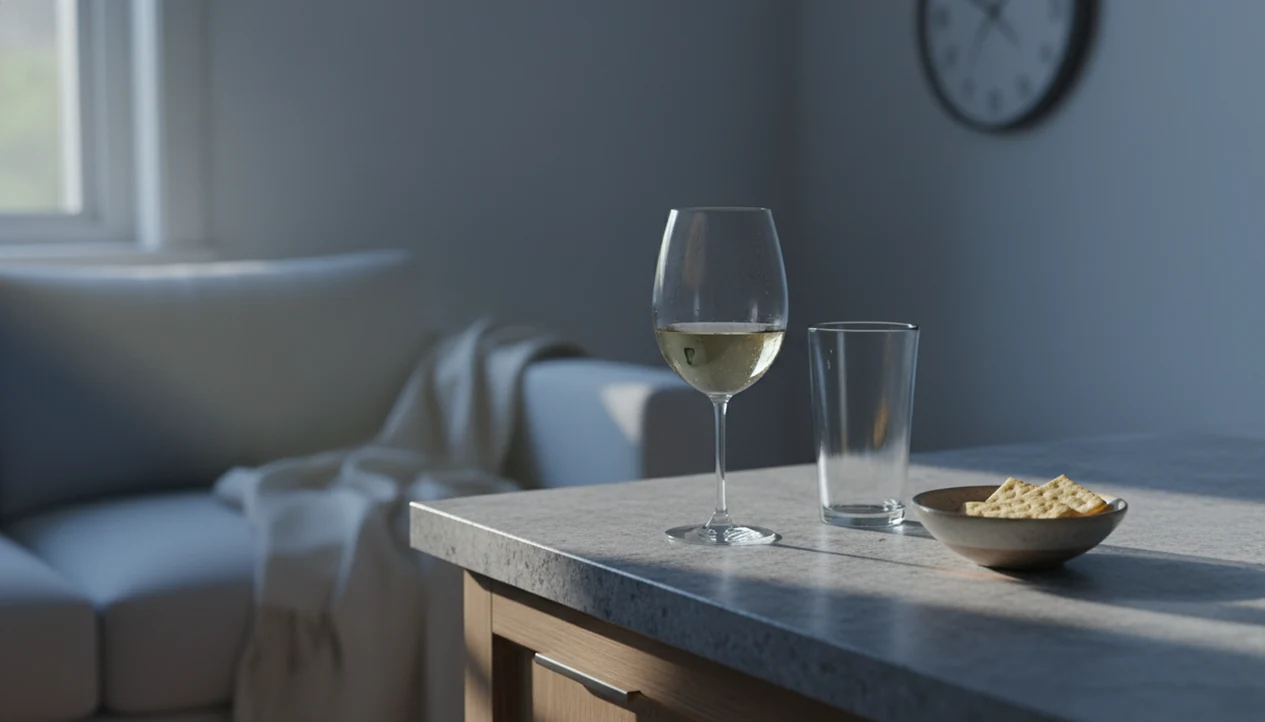
The half-poured wine glass on the counter can feel harmless at 10 p.m. The next morning, your body may read the rebound as danger.
For adults trying to drink less, private pattern tracking can make the cycle easier to spot.
Why the nervous system rebounds as alcohol clears
Alcohol anxiety next day happens because alcohol acts as a central nervous system depressant during drinking, then can become a rebound stressor as it clears. The calming phase and the anxious phase are connected.
Alcohol increases activity in GABA, the brain’s calming system, and suppresses glutamate, a chemical tied to alertness. That is part of why a first drink can feel like relief. But the brain tries to keep balance. As blood alcohol falls, glutamate activity can rebound, and the body may feel wired, shaky, or too awake.
How hangxiety works: alcohol temporarily shifts brain chemistry toward sedation, then the nervous system may overcorrect toward arousal as alcohol levels drop.
That drop can resemble a mild withdrawal-style response, even in some occasional drinkers after heavier drinking. Cortisol and the HPA axis, the body’s stress-response system, may also activate. Anxiety accompanied by tremors, confusion, seizures or other unsafe withdrawal symptoms needs medical assessment.
Hangxiety vs alcohol withdrawal
A systematic review of 22 studies involving 6,152 participants found that hangovers were associated with negative emotions including anxiety, stress and depression. That supports hangxiety as a measurable hangover effect, but timing can point to a more serious problem.
| Pattern | Typical clues | Next step |
|---|---|---|
| One-off hangxiety | Follows an unusually heavy night and improves as the hangover clears | Rest, eat, hydrate and avoid more alcohol |
| Possible withdrawal | Anxiety, insomnia, tremor, sweating, nausea or a racing heart begins after alcohol wears off or intake drops | Contact a clinician rather than attempting an unsupervised detox |
| Medical emergency | Seizure, hallucinations, severe confusion or rapidly worsening agitation | Call emergency services |
Early withdrawal symptoms can begin about 6 to 24 hours after the last drink or a major reduction, according to an American Family Physician clinical review. People who have been drinking heavily for a prolonged period should get medical advice before stopping because sudden withdrawal can be life-threatening.
GABA vs glutamate: the brake and accelerator effect
GABA glutamate hangxiety is easiest to understand as a brake-and-accelerator problem. GABA is the brake. Glutamate is the accelerator. Alcohol presses the brake while you drink, then the accelerator can feel stuck the next day.
- GABA is the calming brake: More GABA activity can make speech looser, muscles softer, and worry feel farther away.
- Glutamate is the alerting accelerator: Less glutamate activity during drinking can reduce inhibition and make the room feel easier.
- The after phase can flip the balance: As alcohol wears off, the brain may compensate with more alerting activity.
- The body feels the rebound first: Restless legs, tight chest, and “I need something” can show up before clear thoughts do.
- Worry then explains the sensations: The mind may start searching for reasons, even when the trigger is chemical.
Setting a lower limit before the evening starts can produce a smaller nervous-system rebound than trying to rely on willpower at midnight.
Acetaldehyde and the physical alarm signals
Does acetaldehyde from alcohol cause anxiety? Acetaldehyde is a toxic breakdown product created when the body metabolizes alcohol, and it can add to the physical stress that makes anxiety feel louder.
Acetaldehyde is one contributor among several. Still, acetaldehyde, inflammation, dehydration, low blood sugar, nausea, and a rapid heartbeat can all be interpreted by the brain as danger. The alarm system does not always wait for a logical reason.
The body can set off this alarm even after a quiet night with no embarrassing messages or obvious social mistake. A dry mouth after skipping drinks between cocktails can sit beside a pounding pulse and become, “Something is wrong with me.” If this pattern shows up mostly after Fridays or Saturdays, the weekend drinking cycle may be part of the trigger map.
Seek urgent care for seizures, hallucinations, severe confusion, chest pain, fainting, inability to stay awake, suicidal thoughts or rapidly worsening shaking and agitation. If you drink heavily every day or develop symptoms when alcohol wears off, do not stop suddenly without medical advice.
Why poor sleep can turn into a 3 a.m. panic
Alcohol may help someone fall asleep faster, but it often fragments sleep later in the night. That is one reason 3 a.m. waking can feel so sharp: the sedating effect is fading, REM sleep is disrupted, and the stress system is getting louder.
Research summarized in alcohol-hangover literature has reported cortisol increases of about 36% during hangover compared with non-hangover conditions, according to this review: the NIH. Cortisol is not the sole cause, but it can add to the early-morning sense of alarm. It does support what many people feel in their body: waking with a racing heart before the mind has even formed a worry.
Poor sleep lowers emotional regulation the next day. Small problems feel bigger. A neutral text looks cold. The calendar looks threatening.
For anxious adults, the most useful first experiment is often boring: stop earlier, drink less, eat first, and protect sleep. More sleep does not erase alcohol’s effects, but it gives the brain more room to steady itself.
Who is more likely to feel anxiety after drinking?
Some adults are more vulnerable to severe hangxiety because their baseline threat system is already easier to activate. Alcohol then adds chemistry, poor sleep, and physical hangover stress on top.
- Baseline anxiety: Approximately 31.1% of U.S. adults experience an anxiety disorder at some time in their lives, per NIMH data from this the NIH statistics.
- Shyness or social anxiety: The morning replay can be harsher after parties, group dinners, or bar patio conversations.
- Panic sensitivity: A racing heart or shaky hands may be read as danger, which can intensify panic.
- Drinking to cope: If alcohol becomes the main off-switch, the rebound can train a stronger alcohol-anxiety loop.
- Heavier or repeated drinking: NIAAA reported that about 28.8 million U.S. adults met criteria for alcohol use disorder in 2022, a context linked with higher withdrawal-type risk, according to this NIAAA alcohol data.
Repeated hangxiety is a signal to review patterns, not a reason to shame yourself. The alcohol reduction guides can help frame that review around cues, routines, and rewards.
Why Sunday anxiety happens after drinking and how to manage alcohol cravings
Sunday anxiety can create a learned relief loop. Thoughts about Monday deadlines, commuting, childcare, bills or an early alarm produce discomfort before the workweek starts. If drinking repeatedly brings quick relief, the brain begins to connect Sunday dread with alcohol. The craving may then appear automatically, before anything stressful has actually happened.
The relief is usually temporary. Alcohol may make it easier to fall asleep, but disrupted sleep can leave Monday anxiety, fatigue and irritability stronger. That rough Monday can add more dread to the following Sunday.
Make the plan before the urge gets loud
- Name the trigger and rate the urge: “This is workweek anxiety, and the urge is 6 out of 10.”
- Wait 20 minutes before acting. Move alcohol out of sight and close any delivery app.
- Use one concrete replacement, such as eating dinner, taking a shower, preparing Monday’s bag or calling someone.
- Protect sleep with an earlier wind-down, a caffeine cutoff and a phone boundary.
- After the urge passes, note what helped and prepare that option earlier next Sunday.
If Sunday drinking has become daily drinking, or cutting back causes shaking, sweating or nausea, ask a clinician for help before stopping suddenly.
Six ways to reduce the chance of next-day anxiety
The only guaranteed way to prevent alcohol-triggered hangxiety is to avoid alcohol. If you do drink, a tracking plan can reduce risk and show which decision points matter most.
- Choose your limit before drinking. Set a number while your brain is clear, not after the party cooler is open.
- Space each drink with time and water. Give your body more room to process alcohol and notice early signals.
- Eat before drinking. Choose a real meal with protein or fat so blood sugar has less room to swing.
- Stop earlier than usual. Protect the last part of the night, when sleep quality is easiest to damage.
- Avoid hair of the dog. Morning alcohol may mute anxiety briefly, but it usually delays the rebound.
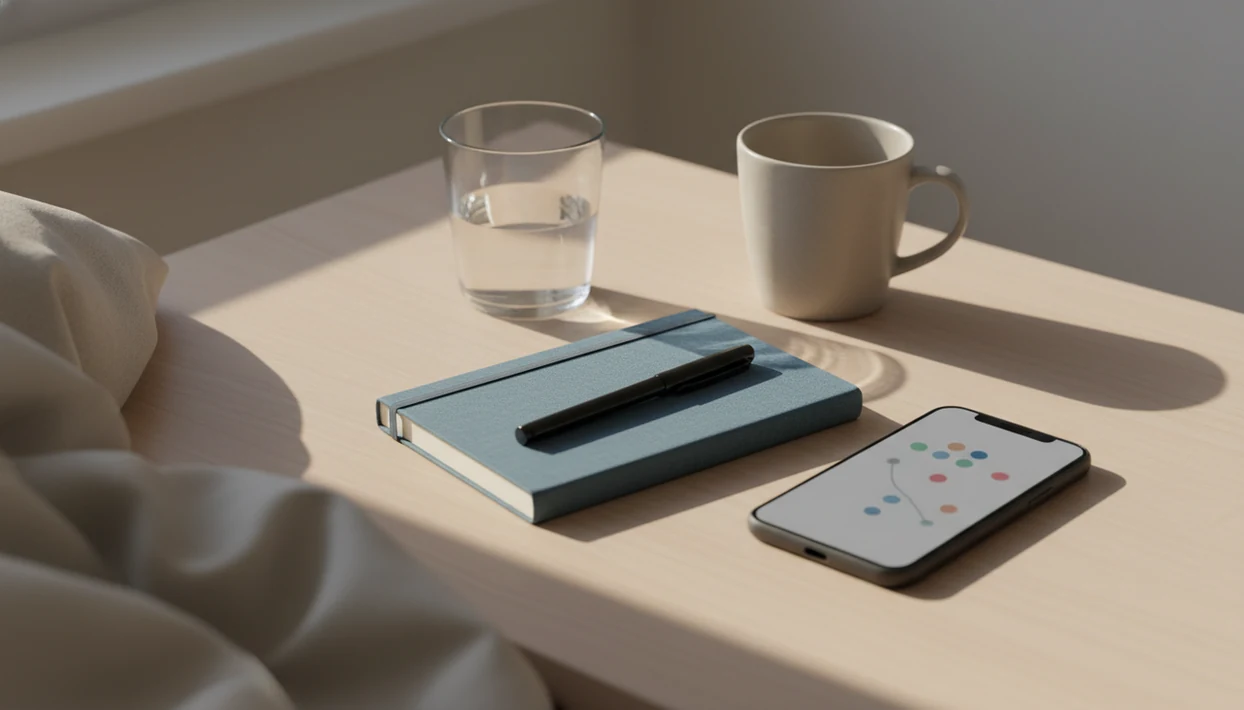
- Log the next morning. Note sleep, anxiety, cravings, and the amount you drank.
Track alcohol intake, sleep and next-day anxiety to identify personal hangxiety triggers and patterns
A useful hangxiety tracker records the same few details after each drinking occasion. Consistency is more helpful than a long diary entry written once. Review the notes weekly rather than trying to draw conclusions from a single difficult morning.
- Before drinking, rate anxiety from 1 to 10.
- Record each drink’s type, size and time. If you forget, estimate it the next morning and mark it as an estimate.
- Write down the time of your last drink, total sleep, nighttime wake-ups and early waking.
- Rate next-day anxiety from 1 to 10 and note symptoms such as nausea, sweating, shaking, a tight jaw or racing heart.
- Look for combinations such as faster drinking, skipped meals, nicotine, caffeine or less sleep.
- Change one factor next time, such as drinking less, eating first or stopping earlier, then compare the result.
Bring two to four weeks of notes to a primary care, therapy or addiction-medicine visit if anxiety keeps returning. Exact observations, such as anxiety reaching 8 out of 10 after five drinks and four hours of sleep, give a clinician more to work with. Record symptoms that begin as alcohol wears off, but never drink again to test or treat possible withdrawal.
Use drink limits as ceilings, not targets
The CDC defines moderate drinking as no more than two drinks in a day for men and one drink in a day for women. These are daily ceilings on drinking days, not recommended goals or guarantees against hangxiety. Drinking less or not drinking carries lower risk. A U.S. standard drink contains about 14 grams of pure alcohol. See the CDC guidance on moderate alcohol use.
Start by measuring what you currently pour, since a large glass or strong cocktail may contain more than one standard drink. The CDC recommends knowing your current intake, setting a limit and writing down a plan. Its steps for drinking less can help turn a vague goal into a number, stop time and alcohol-free days.
Hangxiety myths that can keep the cycle going
Hangxiety myths keep people stuck because they turn a body signal into a character judgment. A cleaner explanation makes the next choice easier.
- Myth: Hangxiety is only guilt. Biology can create dread even when nothing bad happened.
- Myth: Hair of the dog fixes it. More alcohol can postpone the rebound, then make the next drop rougher.
- Myth: Only dependent drinkers get it. Occasional drinkers can feel alcohol anxiety next day after a heavier session.
- Myth: One episode means permanent anxiety. Many cases fade as the hangover clears, although repeated episodes deserve attention.
- Myth: You just need more self-control. A better plan changes cues, friction, and replacement actions before the craving peaks.
If Sunday dread keeps arriving after the same social pattern, the issue may be the setup. Our guide to weekend alcohol cravings breaks down why that cue can feel automatic.
Why anxiety happens after an alcohol blackout and how to manage it safely
An alcohol blackout is a memory-formation failure, not the same as passing out. A rapidly rising blood alcohol level can disrupt the hippocampus, which helps turn short-term experiences into lasting memories. A person may still talk, walk, respond to others or order a ride while the brain fails to save parts of the night. Drinking quickly, taking shots, drinking games and drinking on an empty stomach raise the risk.
Can blackout memories come back?
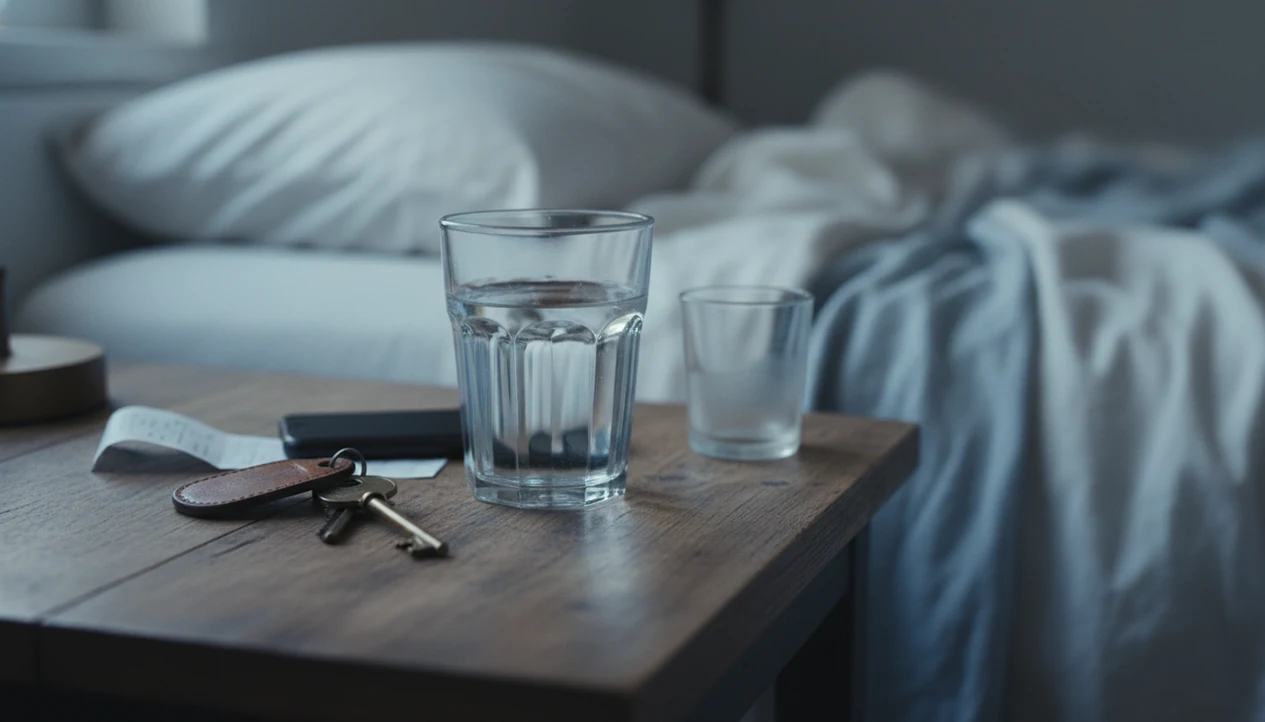
A fragmentary blackout leaves partial gaps. A receipt, message or trusted friend’s account may bring back flashes. An en bloc blackout involves a larger period that was never properly encoded, so repeatedly searching for the memory may not make it return. Check messages, receipts and ride history once, ask a trusted person for facts, then step away from repeated reassurance checking.
- Sip water or an electrolyte drink, and eat carbohydrates plus protein if your stomach allows it.
- Reduce caffeine, noise and scrolling if they intensify your racing heart or panic.
- Repair confirmed harm, but do not treat imagined events as facts.
- Get urgent care for serious injury, possible assault, loss of consciousness, chest pain, severe confusion, suicidal thoughts or withdrawal symptoms.
When hangxiety may actually be alcohol withdrawal
Get medical help right away if anxiety after drinking comes with seizures, confusion, chest pain, suicidal thoughts, or severe tremors. Withdrawal can be dangerous after heavy or repeated drinking, especially if your body has started to expect alcohol to function.
If you feel physically dependent, do not try to detox alone. A tracking tool can show patterns, but it cannot monitor blood pressure, prevent seizures, prescribe withdrawal medication, or replace clinical detox care.
- Call emergency services for chest pain, a seizure, severe confusion, rapidly worsening symptoms or an immediate risk of self-harm.
- Contact crisis support if suicidal thoughts, panic, or unsafe urges are part of the episode.
- Ask a primary care clinician about repeated hangxiety, shaking, morning drinking, blackouts, or trouble cutting down.
- Seek addiction medicine care if stopping causes sweats, tremors, vomiting, agitation, or a need to drink to feel normal.
- Use tracking as support, not treatment, while a clinician helps you choose the safest next step.
Questions about anxiety after drinking
What causes hangxiety?
Alcohol temporarily increases calming effects in the brain and suppresses alerting activity. As alcohol clears, that balance can rebound toward arousal. Poor sleep, cortisol, acetaldehyde, dehydration, nausea, low blood sugar and worry about the previous night can add to the racing heart, dread and repetitive thoughts.
Can hangxiety be alcohol withdrawal?
Yes, especially when anxiety begins after alcohol wears off and comes with shaking, sweating, nausea, insomnia, agitation or a racing heart. Withdrawal can begin within hours after the last drink or a sharp reduction. Heavy daily drinkers should get medical advice before stopping suddenly.
Why do I panic after drinking even when nothing bad happened?
The body can produce alarm sensations before the mind has a reason for them. A pounding heart, poor sleep, nausea and rebounding nervous-system activity may feel dangerous, so the mind starts searching for an explanation. That can lead to panic or social replay without proof that anything went wrong.
Does dehydration cause hangxiety?
Dehydration can worsen headache, dizziness, dry mouth and a racing pulse, which may intensify anxiety. It is not the only cause. Brain rebound, sleep disruption, stress hormones and other physical hangover effects also matter. Water may help dehydration, but it cannot reverse all alcohol effects or treat withdrawal.
Does hair of the dog help hangxiety?
More alcohol may briefly dull anxiety, but it usually postpones the rebound rather than resolving it. Drinking in the morning for relief can also be a warning sign of dependence or withdrawal. If you feel that you need alcohol to stop shaking or function, contact a clinician promptly.
Can blackout memories come back later?
Some partial, fragmentary blackout memories may return after a reminder from a friend, message or receipt. Larger en bloc gaps may never return because the brain did not store the events as lasting memories. Focus on confirmed facts, safety and medical care for any possible injury or assault.
Will avoiding alcohol stop hangxiety?
Avoiding alcohol prevents alcohol-triggered hangxiety, but persistent anxiety may have another cause and still need care. If you drink heavily or regularly, do not stop abruptly without medical advice because withdrawal can be dangerous. A clinician can help plan a safer reduction or medically supervised withdrawal.