

Why Alcohol Causes Flushing, Sneezing, Spins, and Chills
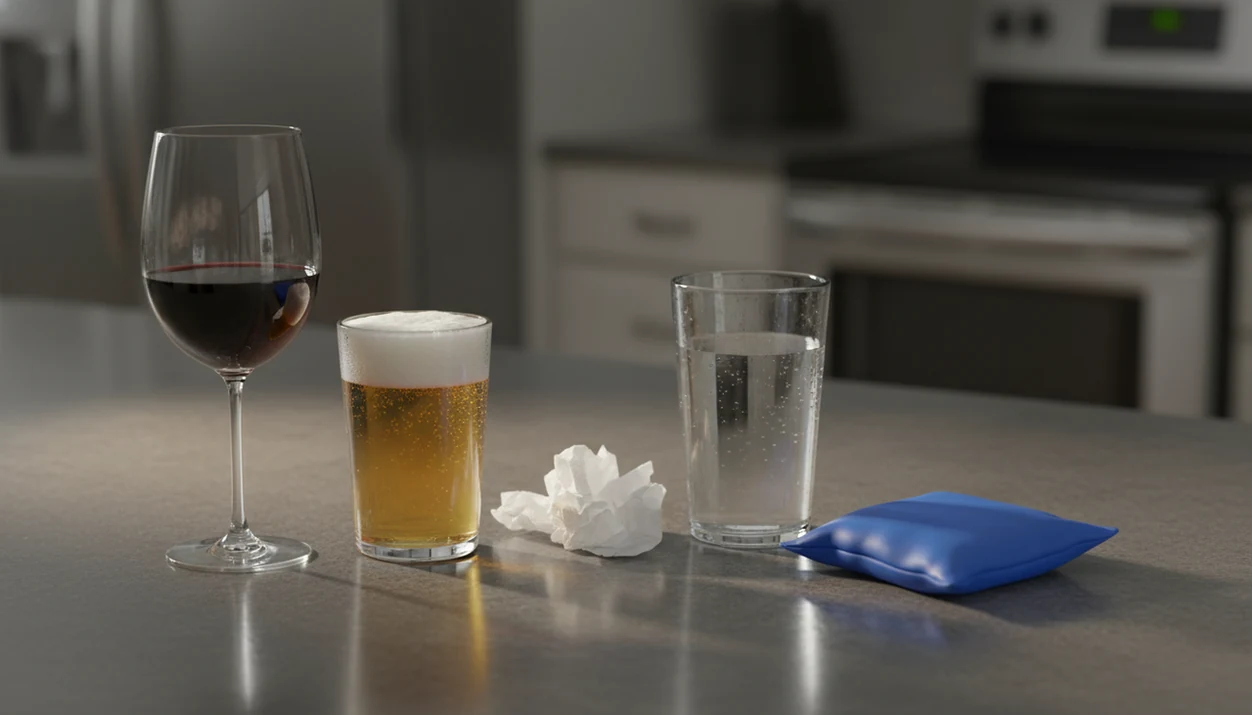
A red face after half a glass of wine, sneezing after beer, or a spinning room at bedtime can feel random. The timing, drink type, amount, food, medications, and speed of drinking often reveal a pattern.
These symptoms do not measure sobriety or show that alcohol is leaving your body. Treat a repeat reaction as a reason to pause, record the details, and avoid trying the same drink again until you understand the likely trigger.
The quick version
Weird reactions to alcohol can result from changes in blood flow, balance, digestion, temperature control, histamine, sulfites, or acetaldehyde breakdown. Reactions after small amounts may point to intolerance, an ingredient sensitivity, asthma, migraine, or a medication interaction. Breathing trouble, swelling, fainting, chest pain, severe confusion, or repeated vomiting requires urgent medical care.
Symptoms and the triggers they may point to
Weird reactions to alcohol can come from overlapping systems, so one symptom is not a diagnosis. Even one drink can trigger symptoms in people with alcohol intolerance, asthma, allergies, medication interactions, or ALDH2 variants.
| Symptom after drinking | Likely mechanisms to consider |
|---|---|
| Flushing | Skin blood vessel dilation, acetaldehyde buildup, ALDH2-related intolerance |
| Hiccups | Stomach stretching, carbonation, reflux, vagus or phrenic nerve irritation |
| Sneezing | Histamine load, sulfites, congestion, asthma, ingredient sensitivity |
| Spins | Vestibular disruption, impaired eye tracking, intoxication, rapid drinking |
| Chills | Heat loss through skin, impaired temperature control, low blood sugar |
| Headache | Acetaldehyde, dehydration, histamine, migraine triggers, congeners |
| Hives | Ingredient allergy, histamine reaction, immune response |
| Nausea | Stomach irritation, slowed coordination, intoxication, reflux |
A rain-specked windshield during a smoke break can make symptoms feel easy to dismiss. Don’t dismiss trouble breathing, throat swelling, chest pain, fainting, blue lips, or severe allergic reaction signs.
Why one drink can affect several body systems
Weird alcohol reactions happen because ethanol reaches several body systems quickly: the nervous system, blood vessels, stomach lining, immune signaling, and balance pathways. Ethanol is converted first into acetaldehyde, then into acetate; reduced ALDH2 activity can let acetaldehyde build up.
That buildup matters. Acetaldehyde is irritating and toxic, and in some people it shows up as a hot red face, headache, nausea, or a racing feeling after very little alcohol. Alcohol can also dilate skin blood vessels, irritate the stomach, stimulate vagus and phrenic nerve pathways, and alter vestibular signals from the inner ear.
A single drink can affect blood vessels, digestion, balance, and immune signaling at the same time.
Histamine, sulfites, grapes, grains, yeast, and other drink ingredients can worsen skin or breathing symptoms. Alcohol can make the skin feel warm while the body's temperature control may become less reliable. If these reactions are part of a bigger pattern, our alcohol reduction guides explain how people cut back without treating every night like a test of willpower.
A red, hot face can signal acetaldehyde buildup
Why does alcohol make my face red and hot? Alcohol face flushing is red, warm skin on the face, neck, or chest soon after drinking, and it can be a sign that acetaldehyde is building up faster than the body can clear it.
ALDH2 is an enzyme that helps break acetaldehyde down. When ALDH2 activity is reduced, alcohol’s byproduct lingers longer. About 36% to 45% of East Asians, including many people of Chinese, Japanese, and Korean ancestry, carry the ALDH2*2 variant linked with flushing and reduced acetaldehyde metabolism, according to a 2015 review the NIH.
Flushing is not harmless “low tolerance” that can be trained away. The National Cancer Institute summarizes evidence that inactive ALDH2 drinkers who consume two or more drinks daily have about a 6 to 10 times higher risk of esophageal squamous cell carcinoma than low- or non-drinking people without the variant, the National Cancer Institute alcohol data.
The safer move is reducing or avoiding alcohol, not trying to cover the flush.
Why does alcohol make me sneeze and flush?
Why does alcohol make some people sneeze? Alcohol sneezing histamine reactions usually happen when drinks raise the body’s histamine load, irritate nasal tissue, or trigger asthma, sulfite sensitivity, or ingredient intolerance.
Wine, beer, cider, and some spirits can contain histamine or ingredients that stir up symptoms. Grapes, wheat, rye, yeast, flavorings, and preservatives can all be part of the trigger pattern. Alcohol may also make existing histamine intolerance feel louder, especially during allergy season or after a high-histamine meal.
A sweet vapor fog in a bedroom mirror is a different trigger, but the body signal can feel similar: tight chest, irritated throat, or nose suddenly running. True allergy to ethanol itself is rare. Ingredient allergy or intolerance is more common.
One survey study found that 33% of people with asthma reported alcohol-induced respiratory symptoms, the NIH. Wheezing, throat swelling, hives with breathing trouble, or anaphylaxis symptoms need medical attention, not another drink to “see if it passes.”
Carbonation, reflux, and recurring alcohol hiccups
Alcohol hiccups cause is usually not one single thing; it is often a mix of stomach stretching, diaphragm spasms, and irritated phrenic or vagus nerve pathways. The direct research on alcohol-specific hiccups is limited, so these explanations are based on physiology and common triggers.
Carbonated drinks stretch the stomach. Rapid drinking adds air. Reflux, spicy mixers, and high-alcohol drinks can irritate the upper digestive tract. When that irritation reaches nerves that help control the diaphragm, hiccups can start and keep repeating.
A practical prevention plan is simple: slow down, skip carbonation, eat before drinking, sip water, and stop drinking if hiccups keep coming back. If hiccups last longer than 48 hours, bring it up with a clinician. Persistent hiccups can sometimes point to reflux, medication effects, nerve irritation, or another medical issue.
Call emergency services for breathing trouble, throat or tongue swelling, blue lips, fainting, chest pain, a seizure, sudden weakness, severe confusion, or inability to wake. If you drink heavily every day or have had withdrawal before, get medical advice before stopping suddenly.
The spins vs ordinary lightheadedness
Alcohol can cause spins because it affects the brain, vestibular system, eye tracking, and balance coordination at the same time. When someone lies down after drinking, the inner-ear balance signals and visual signals may not match, so the room can seem to rotate even when the body is still.
Rapid drinking makes this worse. So can dehydration, low blood sugar, poor sleep, mixing alcohol with other substances, or drinking after a long day without enough food. The last drink marked on a phone can be a useful reality check when memory gets fuzzy.
For safety, stop drinking, sit or lie somewhere protected from falls, hydrate slowly, and do not drive. Repeated vomiting, severe confusion, injury, or trouble staying awake needs help. If dizziness is recurring after small amounts, it is worth discussing with a clinician rather than assuming it is “just the spins.”
Why alcohol causes fuzzy or altered senses and brain fog
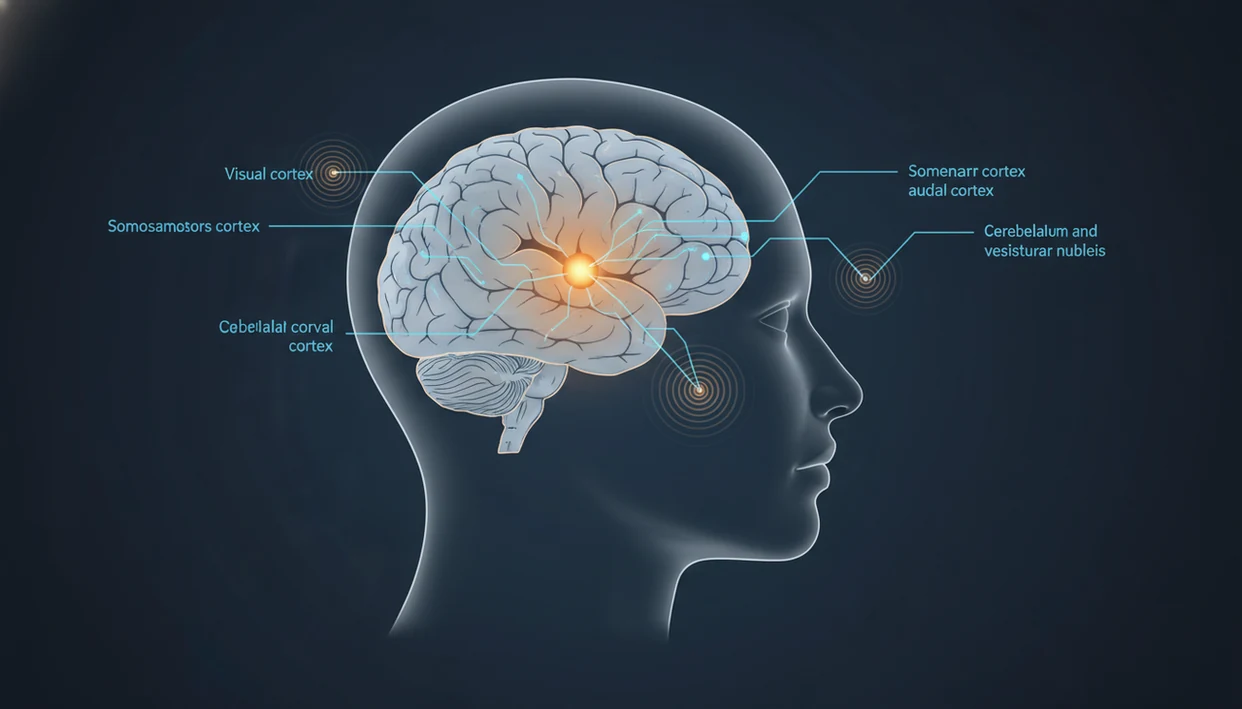
Alcohol can slow the brain's processing of sight, sound, touch, body position, and movement. Blurred vision, slower reactions, poor depth perception, and unsteady balance can appear before someone feels severely intoxicated. At a blood alcohol concentration of 0.08 to 0.25, reported effects can include blurred vision, hearing changes, slurred speech, loss of fine motor control, and slower reactions. A given number of drinks does not produce the same concentration or symptoms in every person.
Fuzzy senses during drinking vs next-day brain fog
| Pattern | Common features | Safer response |
|---|---|---|
| During intoxication | Blurred vision, poor depth perception, delayed reactions, swaying | Stop drinking, avoid driving, and stay away from stairs, water, and machinery |
| Next-day fog | Dull focus, light sensitivity, poor sleep, headache, slower thinking | Rest, hydrate gradually, and seek care if symptoms are severe or unusual |
| Possible emergency | Sudden vision loss, one-sided weakness, seizure, fainting, or severe confusion | Call emergency services |
Persistent numbness, weakness, worsening imbalance, or sensory changes that do not match the amount consumed need medical assessment. Bring details about the drinks, timing, medications, other substances, food, sleep, and which symptoms improved or remained.
How alcohol affects time perception and memory gaps
Alcohol can make time seem fast, slow, fragmented, or missing. Conversation, music, and movement may pull attention away from elapsed time, making a busy night feel short. Anxiety, craving, or boredom can have the opposite effect. As intoxication increases, impaired attention and working memory make duration harder to judge.
| Situation | How time may feel | Likely reason |
|---|---|---|
| Busy social setting | Faster | Attention stays on conversation and activity |
| Boredom or anxiety | Slower | More attention goes to time and physical sensations |
| Heavy intoxication | Jumpy or fragmented | Memory storage and sequencing become less reliable |
| Next-day recall | Shortened or blank | Transitions were not stored clearly |
A blackout is not the same as falling asleep. A person may remain awake, talk, walk, and make decisions while the brain fails to store new memories properly. Later, only fragments remain, such as paying a bill or entering a car, with no reliable order between them.
Set time checks before drinking rather than trusting how long the evening feels. Missing time, repeated blackouts, injuries, or unexplained events are strong reasons to stop drinking and seek medical advice.
Feeling warm while your body loses heat
If alcohol makes me cold, the cause is often vasodilation followed by heat loss. Alcohol moves warm blood toward the skin, which can create a temporary flush, but that same surface warmth can let heat escape faster.
The first warm flush can be misleading because alcohol increases heat loss through the skin. It can make someone feel warm while core temperature regulation becomes impaired. Chills can also come from low blood sugar, dehydration, hangover physiology, anxiety, poor sleep, or an illness that happened to show up after drinking.
Outdoor drinking deserves extra caution. A porch smoke after two cocktails may feel routine, but winter air changes the math quickly. Wear real layers, get indoors if you start shivering, and avoid using alcohol as cold-weather protection. People who notice repeated cold swings after drinking may also want to look at winter alcohol cravings, since weather, mood, and habit cues often stack together.
Signs that an alcohol reaction is an emergency
Some alcohol reactions are urgent, while others are non-urgent but worth tracking and discussing. Get urgent medical help for breathing trouble, swelling, fainting, chest pain, blue lips, severe confusion, repeated vomiting, or a possible severe allergic reaction.
- Trouble breathing, throat or tongue swelling, chest pain, fainting, blue lips, or severe confusion should be treated as urgent.
- Hives plus wheezing, throat tightness, or vomiting can signal a severe allergic reaction.
- Recurring flushing after small amounts, wheezing, migraines, blackouts, severe chills, or symptoms after new medications deserve medical review.
- Alcohol is classified as a Group 1 carcinogen; in 2020, an estimated 741,000 new cancer cases worldwide, or 4.1% of all cancers, were attributable to alcohol use thelancet.
- In the United States, NIAAA data estimate about 29.5 million people age 12 and older had alcohol use disorder in 2022, NIAAA alcohol data.
Behavior-change tracking can support private cutback goals, but it is not diagnosis, detox, or emergency care.
Record the reaction before changing what you drink
If alcohol triggers a weird reaction, treat the symptom as information, not a challenge to push through. The safest first move is to stop drinking and watch for red flags before trying to explain it.
- Stop drinking as soon as symptoms start, especially if you feel short of breath, faint, severely dizzy, confused, or notice swelling, chest pain, or repeated vomiting.
- Write down the details while they are fresh: drink type, brand or ingredients if known, amount, timing, food, medications or supplements, sleep, and every symptom.
- Avoid repeating the suspected trigger until you understand the pattern. Re-testing the same wine, cocktail, or beer can turn a mild warning into a worse reaction.
- Choose lower-risk alternatives only if the reaction was mild, brief, and has not repeated, such as skipping carbonation, drinking more slowly, eating first, or choosing no alcohol.
- Ask a clinician or pharmacist to review recurring reactions, wheezing, migraines, flushing after small amounts, or symptoms that began after a new medication.
Your notes cannot diagnose the cause, but they can give a clinician a clearer pattern to assess. It is to stay safe, collect useful clues, and get medical input when the pattern keeps showing up.
Check withdrawal risk before making a sudden stop
If you drink heavily every day, need alcohol to settle morning shaking, or have previously had withdrawal seizures or delirium, do not stop suddenly without medical guidance. Alcohol withdrawal can begin within hours. Early symptoms may include shaking, sweating, anxiety, nausea, insomnia, a rapid pulse, and increased blood pressure.
Seizures can occur, and delirium tremens may begin about 1 to 3 days after the last drink. Severe confusion, hallucinations, fainting, chest pain, rapidly worsening shaking, a seizure, or inability to keep fluids down requires emergency evaluation. NIAAA explains that withdrawal after prolonged heavy drinking can be life-threatening and may require medication and supervision in its guidance on getting alcohol treatment.
A strange reaction can be the point when you decide to cut down, but first establish that doing so at home is safe. A clinician can assess your current intake, prior withdrawal, medications, physical health, and mental health. NIAAA's clinical resource on alcohol use disorder and recovery describes medically supported withdrawal as an initial step rather than the full course of treatment.
Questions about unusual alcohol symptoms
Why does my face turn red after a small amount of alcohol?
Alcohol widens skin blood vessels, but rapid flushing after a small amount can also reflect slow acetaldehyde breakdown related to reduced ALDH2 activity. This is not a tolerance that can be trained away. Reproducible flushing is a reason to avoid alcohol, especially when it comes with nausea, headache, wheezing, or a racing heartbeat.
Why does alcohol make me sneeze or give me a stuffy nose?
Alcohol can irritate nasal tissue, increase the effect of histamine, or expose you to sulfites and other drink ingredients. Wine, beer, cider, grains, grapes, yeast, flavorings, and preservatives can all be triggers. Wheezing, chest tightness, facial swelling, or trouble breathing needs prompt medical attention.
Can beer, wine, or cocktails cause hiccups?
Yes. Carbonation, fast drinking, swallowed air, reflux, spicy mixers, and stomach irritation can trigger diaphragm spasms through vagus or phrenic nerve pathways. Stop drinking, sit upright, and skip more carbonation. Hiccups lasting longer than 48 hours should be assessed because persistent hiccups can have causes unrelated to alcohol.
Why do I feel cold or start shivering after drinking?
Alcohol moves warm blood toward the skin, creating a brief warm feeling while allowing body heat to escape faster. Dehydration, low blood sugar, poor sleep, anxiety, or illness may add to the chills. Go indoors, use dry layers, and do not drink more alcohol for warmth. Severe or persistent shivering needs medical attention.
Are alcohol spins dangerous?
The spins show that alcohol is disrupting balance, eye tracking, coordination, and judgment. Continuing to drink raises the risk of falls, choking on vomit, drowning, and unsafe driving. Stop drinking and stay somewhere protected from falls. Repeated vomiting, abnormal breathing, severe confusion, or inability to wake is an emergency.
Can alcohol intolerance appear suddenly?
Symptoms can seem new after a medication change, illness, worsening asthma, migraine changes, hormonal shifts, or exposure to a different ingredient. A true inherited enzyme difference was already present, but its effects may become more noticeable. Avoid the suspected drink and ask a clinician or pharmacist to check new or worsening reactions.
Is a true alcohol allergy possible?
A true allergy to ethanol is rare. Reactions are more often caused by intolerance or by ingredients such as grapes, grains, yeast, sulfites, preservatives, or flavorings. Hives alone deserve evaluation. Hives with wheezing, vomiting, faintness, or swelling of the lips, tongue, or throat may signal a severe allergic reaction.
Do flushing, sneezing, or chills mean I am sobering up?
No. These symptoms do not show that alcohol is leaving your body, and they cannot tell you that driving or another risky activity is safe. Flushing may reflect blood vessel changes or acetaldehyde buildup, while sneezing and chills involve different pathways. Only time lowers the amount of alcohol in the body.