
Use a Quitline and App Together to Stop Smoking
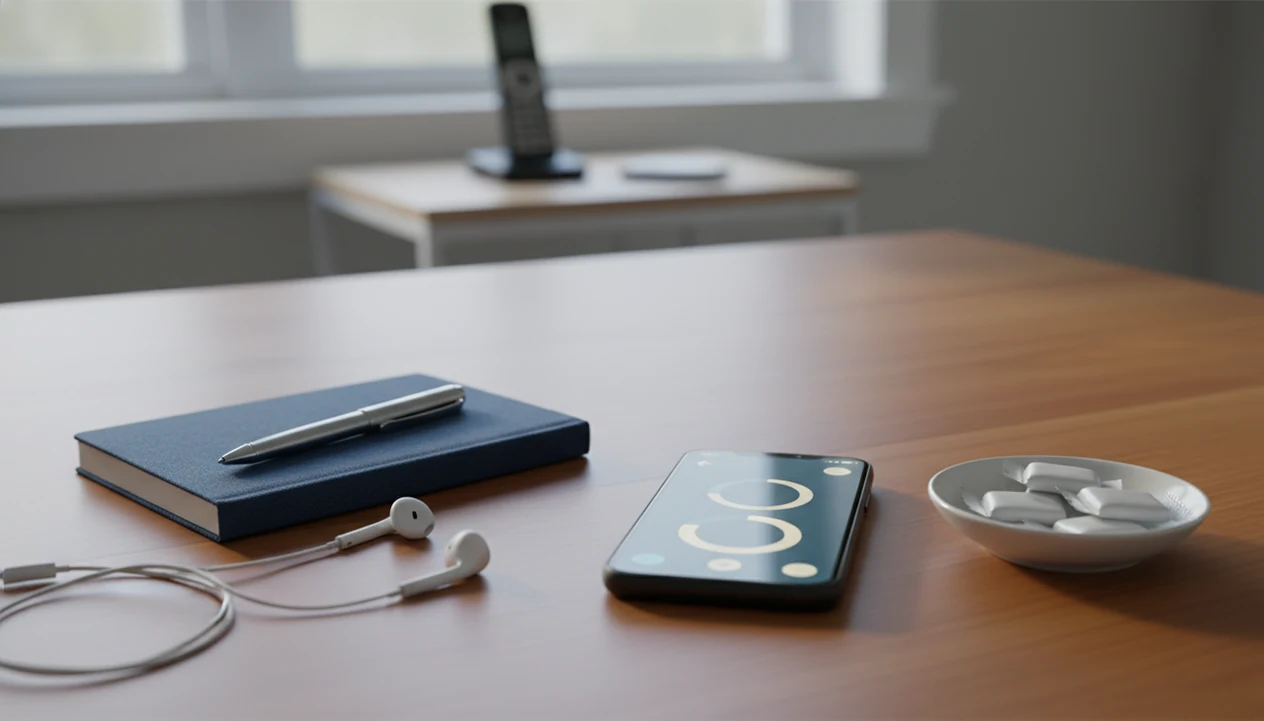
A quitline and app to stop smoking work best together when the quitline gives you live coaching and the app helps you track cravings, triggers, streaks, and follow-through between calls. The quitline is the human support layer; the app is the daily behavior-change layer.
Scope note: This guide explains how adults can combine quitline coaching with app-based tracking; it is not medical advice or a substitute for a clinician’s care.
TL;DR
- Call 1-800-QUIT-NOW or your state quitline for free, confidential coaching and a quit plan.
- Use a smoking quitline app or tracking app between calls to log cravings, triggers, slips, and milestones.
- Combining phone support, app tracking, and proven treatments like nicotine replacement therapy can be stronger than relying on one tool alone.
Quitline and app support for smoking: the short answer
Quick answer: For many people, the strongest quit plan combines live quitline coaching with a daily app-based tracking habit. A quitline can help you choose strategies and troubleshoot setbacks, while an app can make cravings, triggers, and progress easier to notice between conversations.
Key takeaways
- Call the quitline before your quit date so you have a plan before cravings peak.
- Track the time, place, mood, and trigger for cravings instead of relying on memory.
- Share patterns from your app with a coach so advice can be more specific.
- Use medication only as directed by a clinician or pharmacist, especially if you have medical conditions.
- A lapse is information, not proof that quitting is impossible.
- Privacy matters; choose tools that match the amount of personal data you want to share.
Quitlines and apps are complementary, not competing tools. A quitline gives you trained phone coaching, while an app gives you a place to record cravings, cigarettes, triggers, mood, slips, streaks, and health milestones.
In the U.S., 1-800-QUIT-NOW connects callers to state quitline services. The CDC says quitlines are available across all 50 states, Washington DC, Guam, and Puerto Rico through that national portal CDC smoking data.
The strongest plan is often phone coaching plus daily tracking because the coach helps you choose a quit plan, and the app shows what actually happened at 7:40 p.m. after dinner.
Small details matter.
Tools like Me Quit can support private progress tracking between calls, especially when you want a craving window, money saved, and reset notes in one place.
Smoking quitline and app combination: coaching plus craving data
A quitline-and-app plan works by pairing human coaching with real-time behavior data. The quitline handles assessment, planning, accountability, and relapse-prevention support; the app records the daily trigger pattern that is easy to forget later.
Here is the mechanism: a coach helps you pick strategies, the app records when you used them, and the next coaching call reviews what worked. That is a basic habit loop. Cue, routine, reward. In plain terms, you learn what sparks the cigarette and what interrupts it.
For many people, the first morning cigarette before coffee is not “just a habit.” It is a timed loop. App tracking can catch that pattern before it becomes a full day of smoking.
Digital tools can also support engagement between sessions. A reminder, craving timer, or milestone badge can keep the quit plan visible when the next call is still days away.
5 facts about quit smoking phone support and apps
- U.S. quitlines are available in every state, Washington DC, Guam, and Puerto Rico through 1-800-QUIT-NOW.
- A U.S. Public Health Service meta-analysis found proactive quitline counseling produced quit rates about 1.4 times higher than minimal counseling or self-help alone the NIH.
- Some quitlines offer more than phone calls, including text support, chat, online tools, and web dashboards.
- Public health tools such as quitSTART and SmokefreeTXT use evidence-based cessation strategies, according to Smokefree.gov Smokefree.gov cessation data.
- Many state quitlines may offer free nicotine replacement therapy, such as patches, gum, or lozenges, to eligible adults, but access depends on funding and supply.
Clinicians typically recommend combining behavioral support with approved quit-smoking medication when appropriate, because withdrawal and habit cues often need different tools.
The most common medically supported way to improve quit chances is counseling combined with evidence-based medication, when medication is safe and appropriate.
Quitline craving tracker roles: what each tool does best
A quitline is strongest for live planning and accountability. An app is strongest for daily craving logs, reminders, streaks, and private reflection when the urge hits between calls.
| Support option | What it does best | Practical use |
|---|---|---|
| Quitline | Live coaching, quit planning, accountability | Talk through triggers, medication questions, and relapse prevention |
| App | Craving logs, reminders, streaks, milestones | Record the urge before it fades from memory |
| Text or chat support | Quick prompts and low-friction contact | Use during work breaks or when a call feels too much |
| NRT | Helps manage nicotine withdrawal symptoms | Ask a clinician or quitline coach about patches, gum, or lozenges |
A strong stop smoking support plan can combine more than one option. For example, someone may use a quitline call, a craving tracker, and quit smoking with nicotine patches during the same quit attempt.
For people who forget details under stress, an app log is often easier than memory because it captures the trigger while it is still fresh.
6 steps to use a quitline and app to stop smoking
Use the quitline for the quit plan, then use the app for follow-through. The app does not need to be technically connected to the quitline to be useful.
- Call or enroll with a quitline to discuss your smoking pattern, past quit attempts, and support options.
- Set a quit date and add it to the app so reminders and milestones start from a real date.
- Log cravings daily including cigarettes, mood, place, trigger, and whether you smoked.
- Record slips honestly so the next plan is based on data, not shame.
- Review patterns before each coaching call and note your top two triggers.
- Adjust coping strategies after each call including medication questions, milestone goals, and next small step.
A craving timer glowing in bed can feel strangely useful. It gives your hands something to do besides reaching for the pack.
If nicotine medication is part of your plan, compare options like quit smoking with nicotine gum before the quit date.
Stop smoking support options that pair well with a quitline
Several support options can work alongside a quitline without replacing it.
- Quitline coaching: best for live support, planning, accountability, and relapse-prevention conversations.
- Private app tracking: useful for private logs of cravings, streaks, triggers, money saved, and milestones.
- Nicotine replacement therapy: patches, gum, or lozenges may reduce withdrawal for some adults.
- Text or chat programs: helpful when a short prompt fits better than a phone call.
- Trusted public health apps: quitSTART and similar tools can add structured cessation tips.
Good recovery-support tools deliver private behavior tracking and follow-through, not medical diagnosis, detox care, or emergency support.
The alcohol link is real for many people. A Friday 6 p.m. drink can make a cigarette feel automatic, so tracking both habits may reveal a trigger pattern that smoking-only notes miss.
For broader options, the nicotine quit methods guide explains how different supports fit together.
QuitSTART, SmokefreeTXT, and private tracking apps with a quitline
Yes, you can use an app alongside a quitline. The quitline does not need to sync with the app for the combination to help.
Public health tools such as quitSTART and SmokefreeTXT can provide structured tips, reminders, and cessation exercises. A private tracking app can serve as a log for cravings, milestones, smoking, vaping, and drinking goals.
Think of the quitline as the conversation and the app as the record. One helps you decide what to try. The other shows whether you tried it on Tuesday night, after a stressful commute, when the crumpled pack was still in the car console.
Apps usually work best when they capture daily patterns, while quitlines fit people who want a trained coach to help interpret those patterns.
5 mistakes with a smoking quitline app plan
The biggest mistake is treating the app download as the quit plan. A tracker can help, but it cannot make the hard decisions for you.
Five common mistakes:
- Downloading an app but never calling or scheduling support. Live coaching can add structure when motivation drops.
- Calling once but not tracking cravings between calls. The coach needs real examples, not a vague weekly summary.
- Hiding slips. A slip is data for the reset, not restart from zero.
- Assuming free NRT is guaranteed. State rules, eligibility, funding, and supply can change.
- Choosing a low-quality app. If it only counts days and sends generic quotes, it may not support real behavior tracking.
A better plan includes a coach, a log, and one small coping action you can repeat. Some people also use CBT for quitting smoking to practice thought and trigger skills.
When to get medical or urgent help while quitting
Get urgent help right away if quitting is paired with chest pain, trouble breathing, or thoughts of harming yourself. Quitline coaching and apps can support a quit plan, but they are not emergency care or medical diagnosis.
Use this decision path when symptoms or safety questions come up:
- Call emergency services if you have chest pain, severe shortness of breath, fainting, stroke-like symptoms, or any immediate risk of self-harm.
- Contact a clinician before or during quitting if you are pregnant, have heart disease, notice new or worsening psychiatric symptoms, or take medicines that could interact with nicotine or quit-smoking treatments.
- Ask about nicotine replacement safety before combining patches with gum or lozenges, changing doses, or using products differently than directed.
- Use quitline coaching for planning, accountability, trigger work, and relapse prevention, not for diagnosing symptoms or replacing urgent treatment.
- Reach local crisis support if quitting makes your mood feel unsafe, intense, or hard to control.
A rough craving wave is common. Feeling medically unsafe is different, and it deserves real-time professional help.
Limitations
Quitlines and apps can improve support, but they do not guarantee quitting. Many adults need multiple quit attempts before long-term success, and that does not mean the plan was useless.
Important limits to know:
- Quitline coaching helps many people, but outcomes vary by dependence level, stress, health, and support at home.
- People with urgent medical, psychiatric, withdrawal, pregnancy, or safety concerns should contact a qualified professional or emergency service.
- Me Quit is behavior-change support, not diagnosis, detox instruction, or a replacement for clinical care.
Stale smoke on a winter coat is a powerful reason to want change. But if quitting brings chest pain, severe mood symptoms, or thoughts of self-harm, get immediate help.
FAQ
Are quitlines free?
U.S. quitlines are generally free through state programs and 1-800-QUIT-NOW. Services and extras can vary by state.
Do quitlines help with vaping?
Many quitlines now support vaping and other commercial tobacco products, not only cigarettes. Ask your state quitline what programs are available.
Can apps replace quitlines?
Apps can help with tracking, reminders, and craving tools. Live coaching can add planning, accountability, and support beyond self-help.
What is 1-800-QUIT-NOW?
1-800-QUIT-NOW is the national U.S. phone number that connects callers to their state quitline. It is used for free smoking cessation support.
Do quitlines give free nicotine patches?
Some quitlines offer free nicotine patches, gum, or lozenges to eligible adults. Availability depends on state rules, funding, and supply.
Which app tracks smoking cravings?
Apps like Me Quit can track cravings, triggers, streaks, milestones, and related behavior goals. The useful feature is daily tracking, not just a day counter.
Should I call a quitline before my quit date?
Yes, calling before your quit date can help with planning, triggers, medication questions, and accountability. It gives you a plan before the first hard craving window.
Is quitline coaching private?
Quitline coaching is designed to be confidential and voluntary. Trained coaches support the caller’s goals without judgment.