Quit Drinking When Stressed: A Practical Trigger Plan
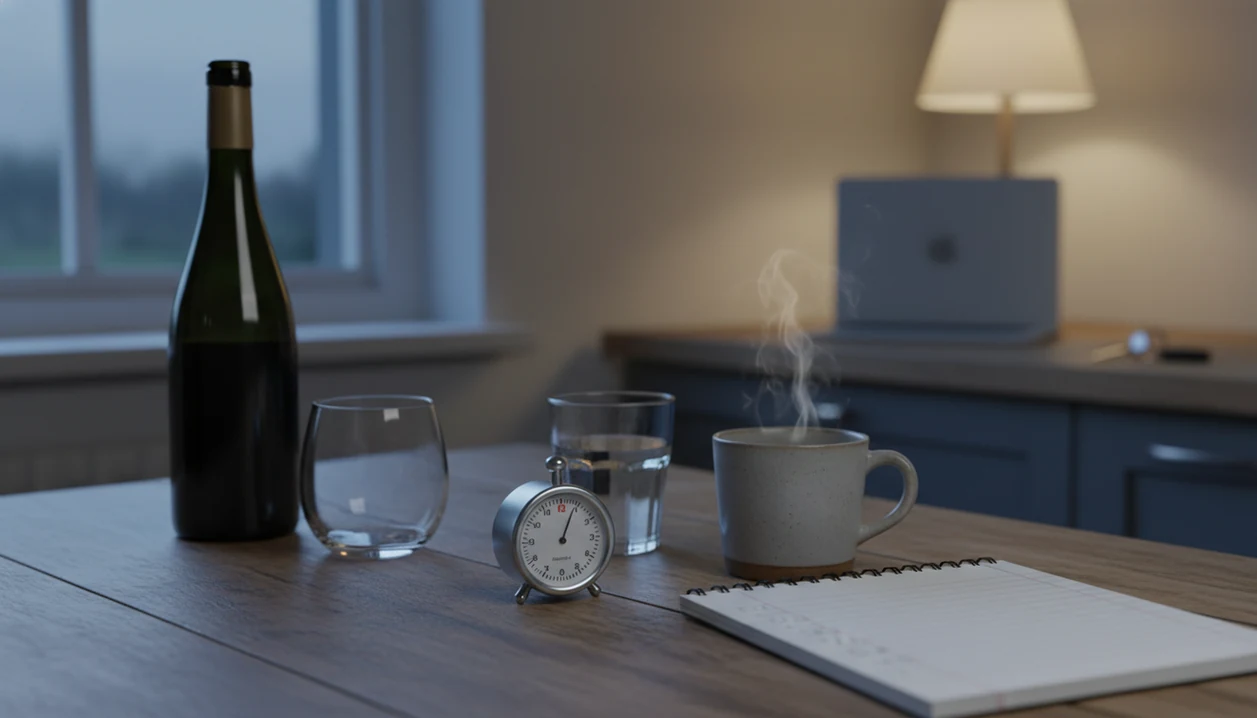
To quit drinking when stressed, separate the stress trigger from the drinking routine: notice the urge, delay the first drink, use a planned alcohol-free coping action, and track what happened. The goal is not to become stress-free overnight; it is to stop making alcohol the automatic response to pressure, anxiety, boredom, conflict, or exhaustion.
> Definition: Stress drinking means using alcohol as a repeated coping response to tension, anxiety, overwhelm, anger, loneliness, or burnout.
- Stress drinking can feel calming in the moment but often worsens sleep, anxiety, mood, and cravings later.
- A good trigger plan includes delay tactics, replacement coping tools, trigger tracking, and a clear escape plan for high-risk moments.
- People who drink heavily should ask a clinician before stopping suddenly because alcohol withdrawal can be dangerous.
Quit drinking when stressed: the 5 facts that matter first
Quick answer: To quit drinking when stressed, treat the urge as a cue to pause rather than a command to drink. A practical plan is to delay, use a specific alcohol-free coping action, and record the trigger so the pattern becomes easier to change over time.
Key takeaways
- Stress urges often peak and fade if you delay the first drink.
- A written “if-then” plan works better than deciding in the moment.
- Track the trigger, emotion, time, and outcome after each urge.
- Replace the first drink with one concrete action, not vague willpower.
- If you drink heavily or daily, ask a clinician about withdrawal risk before stopping suddenly.
- Medication, therapy, mutual support, or coaching may help when self-management is not enough.
- Stress drinking is a real risk pattern, not a harmless personality quirk; the repeated link between pressure and alcohol can become hard to interrupt.
- Alcohol may feel calming at 7 p.m., but it can worsen sleep quality, next-day anxiety, low mood, and craving strength.
- In 2022, NIAAA reported 28.8 million U.S. people ages 12 and older met criteria for alcohol use disorder (NIAAA alcohol data); the CDC reports that about 1 in 6 U.S. adults binge drink, with 25% doing so at least weekly (CDC alcohol data).
- Early anxiety after cutting back can be normal. The nervous system is adjusting, and the first quiet evening can feel strangely loud.
- Tools like Me Quit can support private tracking for cravings, streaks, and health milestones, but they do not diagnose or treat alcohol use disorder.
For many people, delaying the first drink is more useful than debating the whole future because the craving window usually changes once the body settles.
How stress drinking works in the brain and daily routine
Stress drinking works through a habit loop: a trigger creates a craving, the drinking routine brings short-term reward, and repetition teaches the brain to expect alcohol after stress.
The trigger might be work pressure, conflict, loneliness, fatigue, or Sunday-night dread. Alcohol can sedate the body for a short period, but rebound anxiety and disrupted sleep can make the next day feel sharper. That is why the same person may drink to calm down, then wake at 3 a.m. with a racing mind.
The loop can also overlap with smoking or vaping. A Friday 6 p.m. drink can make a cigarette feel automatic, and a mint vape in the car cup holder can become part of the same stress ritual.
Notice the order. Trigger first, drink second.
How to use a stress drinking trigger plan
A stress drinking trigger plan gives you a short script to follow before alcohol becomes the default. Use it when the urge is active, not only when you feel motivated.
- Name the trigger: Say, “This is work stress,” “This is loneliness,” or “This is anger,” before deciding anything about alcohol.
- Delay the first drink: Set a 10 to 20 minute timer and make no alcohol decision until it ends.
- Replace the routine: Use one planned action, such as walking outside, showering, eating dinner, breathing slowly, or calling someone.
- Leave if needed: Exit the bar, kitchen, party, or group chat if the situation is pulling you toward drinking.
- Log the outcome: Track the trigger, craving intensity, coping action, and what happened afterward.
- Reset after a slip: Write down the trigger pattern and choose one smaller next step.
A plan you can open in the bathroom during a tense dinner is better than a plan you only remember tomorrow.
Alcohol-free stress coping tools that replace the first drink
Alcohol-free stress coping works when the substitute matches the trigger. The tool only has to carry you through the peak urge; it does not need to fix your whole life.
- Anger tools: Try a fast walk, cold shower, or voice memo you do not send. Physical discharge often helps more than sitting still.
- Fatigue tools: Eat something simple, drink water, lower the lights, and start bedtime earlier. Exhaustion often disguises itself as “I need wine.”
- Loneliness tools: Call one safe person, sit somewhere public, or send a plain text: “Rough night. Can you talk for ten minutes?”
- Anxiety tools: Use slow breathing, meditation, calming music, or a short journal line that names the worry.
- Boredom tools: Change rooms, start a small task, or plan a reward from your quit drinking rewards list.
No single tool works for everyone. A sticky bar table under your fingertips needs a different answer than pacing alone in the hallway.
Stop drinking when stressed by rewriting high-risk moments
How do you stop drinking when stressed in the moments that keep repeating? You pre-write the moment before it arrives, then reduce access so your stressed brain has fewer decisions to make.
Common triggers include after work, arguments, social pressure, parenting stress, money stress, Sunday anxiety, and being alone at night. Use if-then scripts: “If I want wine after paying bills, then I make tea and open my budget tomorrow.” “If someone offers a drink, then I say, ‘Not tonight, I’m taking an early one.’” Keep less alcohol at home, change your route home, avoid stocking up, and set a bedtime routine before the urge gets loud.
Reducing access lowers decision fatigue during stress because you are not negotiating with a full fridge.
After-work stress script
If the first drink usually happens after work, put dinner, a shower, and a 15-minute walk before any alcohol decision. Our guide to quit drinking after a bad day goes deeper on that exact pattern.
Conflict and anxiety script
If conflict triggers drinking, leave the room first, breathe for two minutes, then write the next sentence you need to say. Not the whole argument. One sentence.
Quit alcohol for stress without ignoring rebound anxiety
Some people feel more anxious, irritable, restless, or emotionally raw after they stop or reduce alcohol. That does not mean the plan is wrong; it may mean the body is adjusting without alcohol’s short-term sedating effect.
Rebound anxiety can show up at night, in the morning, or during the same time you used to drink. A craving timer glowing in bed can feel ridiculous and useful at the same time. Practical care matters here: keep a steady sleep routine, hydrate, eat enough, move your body, and tell someone what you are doing.
Clinicians typically recommend medical advice before sudden alcohol cessation for people who drink heavily, have withdrawal symptoms, use sedatives, are pregnant, or have serious health conditions. There is no fixed recovery timeline that fits everyone.
For people who drink to manage anxiety, planned reduction usually works best when paired with support, sleep protection, and a written coping plan.
Stress drinking help from tracking, support, and MeQuit
Stress drinking help often starts with making the pattern visible. A trigger log can show craving ratings, streaks, milestones, slip reviews, and the situations that keep repeating.
Private progress tracking reduces shame-based guessing. Instead of “I have no control,” the note might say, “I drank after three late meetings and no dinner.” That is usable data. Apps such as Me Quit can give adults a practical, private path for behavior-change support around cravings, streaks, dry days, and milestones.
Good tools in the Me Quit mequit addiction recovery hub for quit smoking, stop vaping, quit drinking, and mindful alcohol reduction deliver day-by-day support and pattern tracking, not detox care, diagnosis, or emergency treatment. If drinking feels uncontrollable, or stopping causes withdrawal symptoms, contact a clinician or SAMHSA-style professional support rather than relying on an app alone.
A quit drinking support app can help organize the plan, but human support still matters.
Alcohol-free stress coping versus drinking for relief
Alcohol and alcohol-free coping can both change how stress feels in the moment, but they tend to lead in different directions over time. The useful question is not “Which one feels easier tonight?” It is “Which one makes tomorrow less fragile?”
| Stress response | Drinking for relief | Alcohol-free stress coping |
|---|---|---|
| Immediate relief | Can sedate quickly | May take several minutes |
| Sleep impact | Often disrupts sleep later | Usually protects sleep better |
| Next-day anxiety | Can increase rebound anxiety | Less likely to intensify the loop |
| Habit reinforcement | Teaches “stress equals drink” | Teaches “stress has options” |
| Health risk | Higher with heavy or frequent use | Usually lower risk |
| Social flexibility | Can feel normal in drinking groups | Works better with planned scripts |
Heavy alcohol use has been associated with a higher risk of major depression; one meta-analysis found increased depression risk among people with alcohol use disorder (the NIH). UK Office for National Statistics data also show that a meaningful share of adults report not drinking alcohol, so alcohol-free evenings are socially viable, not unusual (gov alcohol data).
If your motivation fades, reconnecting with quit drinking values can make the next small choice feel less random.
Limitations
Self-help can be useful, but it has limits. Stress drinking can sit next to medical, psychological, and safety issues that need more than a trigger plan.
- People who drink heavily may need medical supervision before quitting because alcohol withdrawal can be dangerous.
- Self-help tools and apps are not substitutes for professional treatment for alcohol use disorder.
- Urgent help is needed for severe withdrawal symptoms, suicidal thoughts, confusion, chest pain, seizures, or inability to stay safe.
Be direct with yourself here. If the plan keeps collapsing, add professional help.
FAQ
Why do I drink when stressed?
Stress can trigger a habit loop where tension creates a craving, alcohol brings short-term relief, and the brain learns to repeat the routine. Over time, the urge can feel automatic even when drinking no longer helps much.
How do I stop stress drinking?
Delay the first drink for 10 to 20 minutes, use a planned replacement coping action, and track the trigger, craving level, action, and outcome. Repeat the same plan during predictable high-risk times.
Does alcohol make stress worse?
Alcohol can feel calming at first, but it can worsen sleep, anxiety, mood, and next-day stress for many people. The relief is often short-term, while the rebound can last longer.
What can replace alcohol at night?
Walking, food, hydration, a shower, breathing, music, journaling, meditation, or calling someone can replace the first drink. Pick one tool that fits the trigger, not a long list you will not use.
Is anxiety normal after quitting?
Anxiety, restlessness, irritability, and poor sleep can happen after stopping or reducing alcohol. Seek medical advice if symptoms are severe, worsening, or linked with withdrawal signs.
Can I cut back instead?
Some people choose mindful alcohol reduction instead of going fully alcohol-free. If you cannot stay within limits, keep drinking more than planned, or feel withdrawal symptoms, professional support is safer.
When is quitting alcohol unsafe?
Quitting can be unsafe if you drink heavily, have withdrawal symptoms, have had seizures or delirium tremens, use sedatives, are pregnant, or have major health risks. Ask a clinician before stopping suddenly.
Do slips reset progress?
Slips do not reset progress; they show where the plan needs adjustment. Review the trigger, change one condition, and restart with the next craving window.