Quit Drinking After a Bad Day: A Same-Day Plan
To quit drinking after a bad day, interrupt the automatic after-work drinking routine with a specific two-hour plan: remove alcohol cues, eat something, change locations, ride out the craving, and track the win before bed. The goal is not to pretend the day was fine; it is to get through the high-risk evening without using alcohol as the coping tool.
Quitting drinking after a bad day means choosing not to use alcohol to cope with stress, anger, sadness, or work pressure when drinking has become the default relief habit.
- Bad days are high-risk because stress, fatigue, hunger, and routine cues can make alcohol feel automatic.
- A practical alcohol-free bad day plan should cover the first two hours after work, when cravings and habit loops are strongest.
- If skipping your usual drinks causes shaking, sweating, nausea, severe anxiety, or insomnia, get medical advice before stopping suddenly.
At-a-Glance Alcohol-Free Bad Day Plan
Quick answer: After a bad day, the safest first move is to delay drinking long enough for the stress craving to peak and fade. A simple plan—eat, change your environment, avoid alcohol cues, contact someone supportive, and track the sober evening—can often make the urge more manageable.
Key takeaways
- Bad-day drinking is often a learned stress routine, not a lack of willpower.
- Delay decisions about alcohol until after food, water, and a change of setting.
- Cravings usually feel urgent but often shift when you interrupt the routine.
- Plan one evening at a time instead of trying to solve your whole future tonight.
- If you drink heavily or daily, withdrawal can be medically risky; ask a clinician before stopping suddenly.
- Logging triggers helps you spot patterns before the next difficult evening.
Next 10 minutes: leave the usual drinking location, put alcohol out of sight, and drink water. Next 30 minutes: eat real food, text one safe person, and name the craving. Next 60 minutes: move your body, shower, walk, or clean one small area. Next 120 minutes: protect bedtime and log the win.
The first two hours after work are the danger zone for many people. The weeknight pour after laptop shutdown can feel like a switch flipping, not a choice. Treat that window as temporary weather, not proof that you can't cope.
Tools like Me Quit can help you log the craving privately, protect a streak, and record progress before bed. For people trying to stay sober after a bad day, a two-hour plan is often easier than a full-life promise because it targets the exact craving window.
How an Alcohol-Free Bad Day Plan Works
An alcohol-free bad day plan works by breaking the cue-craving-response loop before the first drink. It gives your brain a different sequence to follow tonight, not a lifetime recovery contract to solve all at once.
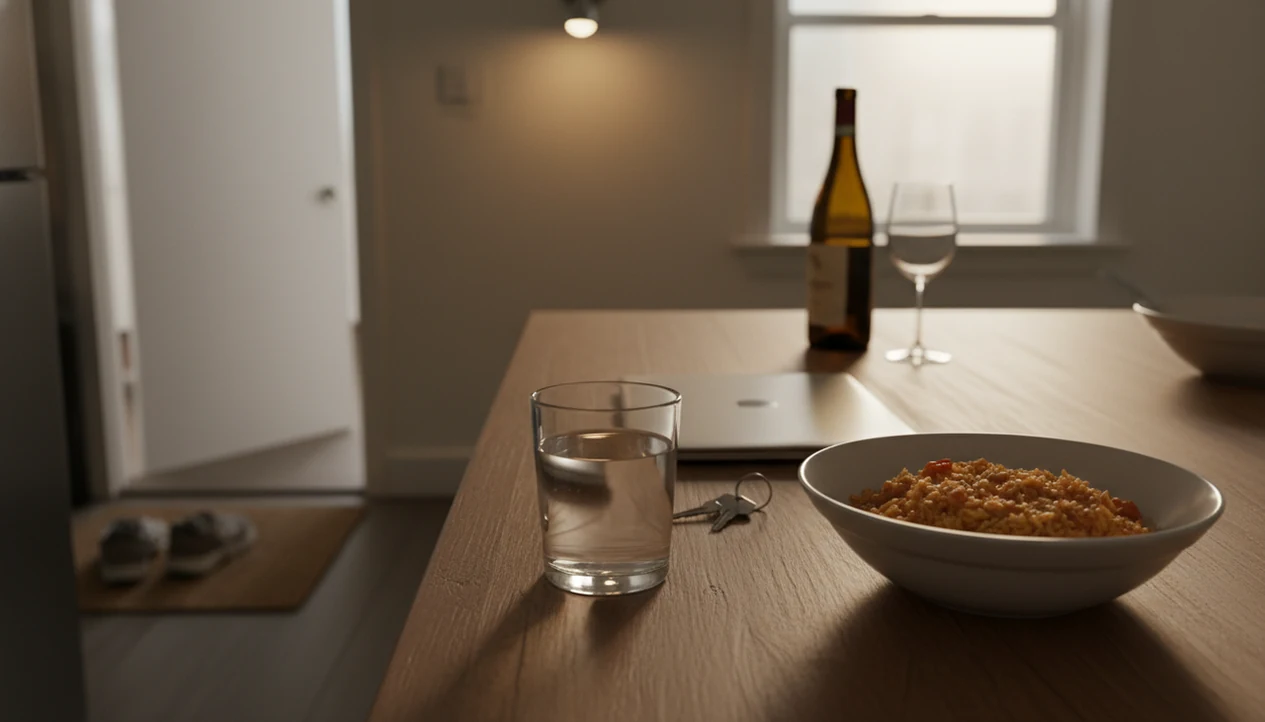
After work stress, the cue might be the commute, the kitchen counter, the couch, or the sound of the laptop closing. The craving is the urge for fast relief. The response is the pour. Changing location weakens that automatic chain because the brain has fewer familiar signals saying, “This is when we drink.” Food, water, and a short delay also lower urgency. Hunger, thirst, and exhaustion can make a craving feel like an emergency, while a snack, hydration, and 20 minutes of space can turn the volume down.
- Move away from the usual drinking spot.
- Eat and drink water before making a decision.
- Delay the first drink and name what you are feeling.
- Choose one replacement action for the next 20 minutes.
- Get medical help instead of self-guiding if you have withdrawal symptoms such as shaking, sweating, confusion, seizures, or hallucinations.
Bad-Day Drinking Habit Loop in the Brain and Routine
A bad-day drinking habit loop is a repeated cycle where stress triggers an alcohol cue, alcohol brings short-term relief, and the brain learns to repeat the routine after future stress.
Here is how it usually runs: bad meeting, angry commute, bottle in the fridge, first drink, brief quiet. Repeat that enough times and the cue starts doing half the work. Stress, decision fatigue, hunger, and anger lower resistance after work, especially when dinner is late and your phone keeps buzzing.
Alcohol may feel calming at first, but it can worsen sleep quality, anxiety, mood, and next-day energy. Over time, using alcohol as the main coping tool can raise the risk of alcohol use disorder. Clinicians typically recommend structured support, safer coping routines, and medical guidance when drinking feels hard to control.
The body remembers shortcuts.
Five Facts About Staying Sober After a Bad Day
- Stress drinking can become a repeated coping pattern linked with alcohol use disorder, especially when bad days regularly lead to drinking more than planned.
- MedlinePlus reports that about 29.5 million people aged 12 or older in the U.S., 10.5%, had alcohol use disorder in 2022: https://medlineplus.gov/alcoholusedisorderaud.html.
- The CDC estimates that excessive alcohol use was associated with about 140,000 deaths per year in the United States from 2015 to 2019: https://www.cdc.gov/alcohol/features/excessive-alcohol-deaths.html.
- The World Health Organization estimates that harmful alcohol use contributes to 3 million deaths worldwide each year, about 5.3% of all deaths: https://www.who.int/news-room/fact-sheets/detail/alcohol.
- The National Cancer Institute states that alcohol is linked to multiple cancers, including breast, liver, colon, rectum, esophagus, larynx, and oral cavity cancers.
Choosing not to drink tonight can also bring near-term wins: better sleep, steadier mood, clearer morning energy, and more useful work tomorrow. If stress is the main trigger, the longer plan is covered in quit drinking when stressed.
Five Steps to Stop Drinking After Work Stress Tonight
Use this plan only for tonight. Tomorrow can have its own plan.
- Change the first location or route after work. Skip the store, avoid the bar block, or sit in a different room when you get home.
- Eat and hydrate before debating alcohol. Hunger makes the craving louder, so get protein, salt, and water in first.
- Delay the first drink for 20 minutes and name the craving. Say, “This is anger,” “This is exhaustion,” or “This is the 6 p.m. habit.”
- Use one replacement decompression action. Take a shower, walk around the block, call someone, stretch, or prep tomorrow’s lunch.
- Log the craving, streak, and outcome in MeQuit or a private tracker. Record what worked, even if the evening felt messy.
For many people, the most practical way to avoid alcohol after a bad day is to delay the first drink and change the first cue.
Bad-Day Alcohol Triggers and Better Replacement Actions
Bad-day drinking gets easier to interrupt when each trigger has a pre-decided replacement action. Vague advice rarely works at 7:15 p.m., when dinner is late and the couch looks like a landing pad.
| trigger | old drinking cue | replacement action |
|---|---|---|
| Work conflict | Pouring wine while replaying the argument | Write the angry version in notes, then delete or save it |
| Loneliness | Opening a drink before texting anyone | Send one plain text: “Rough day. Can you talk for 10?” |
| Anger | Fast beer after the door closes | Take a hot shower before deciding anything |
| Boredom | Drinking while scrolling | Set a 20-minute timer and do one chore with music |
| Exhaustion | Drink instead of dinner | Eat first, then reassess the craving |
| Hunger | “Just one” before cooking | Snack at the counter, then start the meal |
| Surviving the day | Celebration drink | Choose a small quit drinking rewards ritual |
Avoid swapping alcohol for binge eating, energy drinks, or endless scrolling. Those can become new loops.
Medical Support for Alcohol Withdrawal After a Bad Day
Is it safe to stop drinking suddenly after a bad day? It can be unsafe for some people, especially if they drink heavily, drink daily, or have withdrawal symptoms when they skip alcohol.
Warning symptoms include shaking, sweating, nausea, vomiting, insomnia, anxiety, confusion, seizures, or hallucinations. If any of these happen, get medical advice before stopping suddenly. This is not about being dramatic. It is about withdrawal risk.
Other red flags deserve attention too: drinking more than intended, failed attempts to cut down, hiding drinks, needing alcohol to function, or bad days repeatedly turning into heavy drinking. One rough evening does not define you, but a repeated pattern is useful information. A quit drinking support app can help track patterns, but it cannot replace medical care when withdrawal or safety concerns are present.
MeQuit Tracking for an Alcohol-Free Bad Day Plan
Private tracking can support an alcohol-free bad-day plan by helping you record the trigger, urge level, coping action, and outcome before the evening blurs together.
Private tracking matters because bad-day cravings often feel embarrassing in the moment. A quick log can capture the trigger, the urge level, the action you tried, and whether the craving passed. Over a few weeks, patterns get clearer: Friday 6 p.m. drinks, the measuring shot glass near the sink, the cigarette urge after the first beer.
Smoking, vaping, and drinking often share stress triggers. Good mequit addiction recovery hub for quit smoking, stop vaping, quit drinking, and mindful alcohol reduction tools deliver craving logs, streaks, milestones, and pattern recognition, not detox, therapy, emergency care, or clinical diagnosis. If your reasons feel blurry tonight, quit drinking values can help connect the small next step to something personal.
Limitations
A same-day plan can protect tonight, but it cannot solve every reason drinking became the default after stress. Be honest about what this tool can and cannot do.
- People with moderate or severe dependence may need medical supervision, medication, therapy, or structured treatment.
- Quitting cold turkey can be dangerous when withdrawal symptoms are present.
- Digital tools can support behavior change, but they cannot provide emergency care or diagnose alcohol use disorder.
Reset, not restart from zero.
FAQ
Why do bad days trigger drinking?
Bad days trigger drinking because stress, fatigue, routine cues, and the brain’s reward system can make alcohol feel like fast relief. Repeating that pattern teaches the brain to expect alcohol after stress.
How long do alcohol cravings last?
Many alcohol cravings rise and fall within 10 to 30 minutes, though some last longer. Delaying the first drink, eating, moving, and changing location can help the craving window pass.
Is stress drinking a problem?
Stress drinking is a warning sign when alcohol becomes your main coping tool or you often drink more than intended. Repeated failed attempts to cut down are another reason to seek support.
What can replace alcohol tonight?
Immediate replacements include food, water, a shower, a short walk, a phone call, stretching, meal prep, an early sleep routine, or craving tracking. Choose one action that starts within five minutes.
Can alcohol worsen sleep?
Yes, alcohol can make you feel drowsy but reduce sleep quality later in the night. Many people wake up more anxious, thirsty, or tired after drinking.
Is quitting alcohol suddenly safe?
Sudden quitting may be unsafe for people with alcohol dependence or withdrawal symptoms. Shaking, sweating, nausea, insomnia, confusion, seizures, or hallucinations call for medical advice.
What if I drank anyway?
If you drank anyway, reset without shame and write down the trigger, time, amount, and first cue. Use that information to adjust tomorrow’s plan.
When should I get help?
Get help if you need alcohol to function, hide drinking, cannot cut down, have withdrawal symptoms, or bad days repeatedly lead to heavy drinking. Medical care, therapy, medication, or structured support may be appropriate.