
Medication to Stop Drinking, and When You May Not Need It
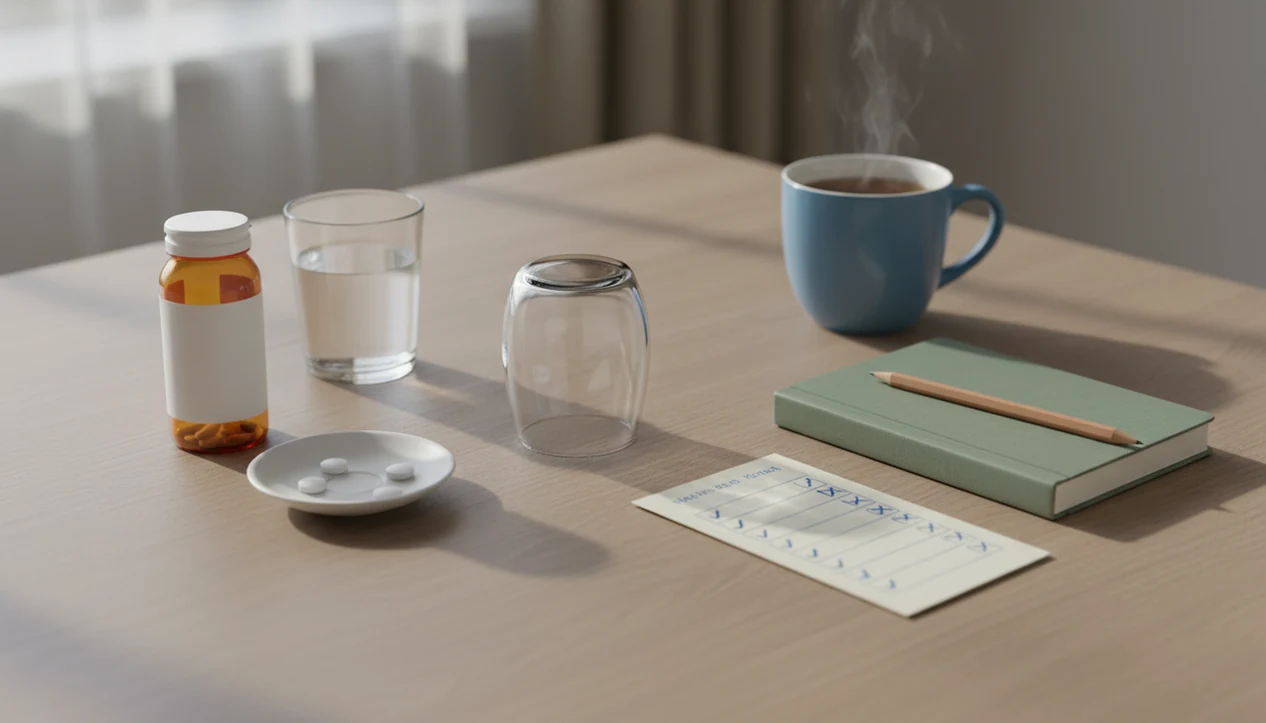
Maybe you want fewer heavy-drinking nights, or perhaps you want alcohol out of your life completely. That goal matters because the medication used while someone is still drinking may differ from the one used after withdrawal.
The first step is a safety check, not a prescription. Alcohol withdrawal can begin within hours and become dangerous. Once that risk is addressed, you can compare medication, counseling, groups, tracking, and changes to the routines that lead to the first drink.
The quick version
Medication can help some people stop or reduce drinking, but it is not required for everyone. Naltrexone, acamprosate, and disulfiram serve different purposes. Counseling and structured behavior support also help. If you drink heavily every day, wake up shaky, or have had withdrawal before, get medical advice before cutting down sharply or stopping.
Medication vs non-medication support: which problem does each solve?
Medication to quit drinking and non-medication support can both be valid, but they solve different problems. Medication is not a magic pill, and non-medication support is not automatically safer for heavy drinkers.
| Path | Best fit | What it helps with | What it does not solve | Clinician involvement |
|---|---|---|---|---|
| Naltrexone or extended-release naltrexone | People aiming to reduce heavy drinking or support abstinence | Alcohol reward, craving intensity, heavy drinking risk | Daily routines, social pressure, withdrawal detox | Required |
| Acamprosate | People who have stopped drinking and want abstinence support | Staying alcohol-free, post-quit stability | Active drinking triggers, adherence problems | Required |
| Disulfiram | Selected people with strong supervision and abstinence goals | Deterrence through an aversive alcohol reaction | Cravings, motivation, unsafe unsupervised use | Required |
| Non-medication support | Lower withdrawal risk, mild to moderate problems, mindful alcohol reduction | Cues, routines, coping skills, accountability | Severe withdrawal risk or medical complications | Optional to essential, depending on risk |
Abstinence and mindful alcohol reduction can both be serious goals. The right fit depends on risk, not pride.
Cravings, withdrawal, and the routines behind drinking
Alcohol quitting options work by addressing biology, behavior, or both. Alcohol affects reward pathways, habit loops, stress regulation, sleep, and withdrawal systems, so quitting is rarely just a willpower task.
Naltrexone can reduce the rewarding effect of alcohol and lower heavy drinking risk for some people. Acamprosate may support abstinence after stopping, especially when the brain is adjusting to alcohol-free routines. Disulfiram works differently; it discourages drinking by causing an unpleasant reaction if alcohol is consumed.
Non-medication tools work on cues and routines. That might mean changing the Friday 6 p.m. route past the bar, planning food before a social event, or opening a craving log when the beer fridge hums during dinner prep. Habit loops are simple on paper: cue, routine, reward. In real life, they can feel fast.
Apps can support tracking and behavior change, but they do not replace medical detox, prescribing, or urgent care. A useful plan starts with three facts: your withdrawal risk, your medical history, and the change you want to make.
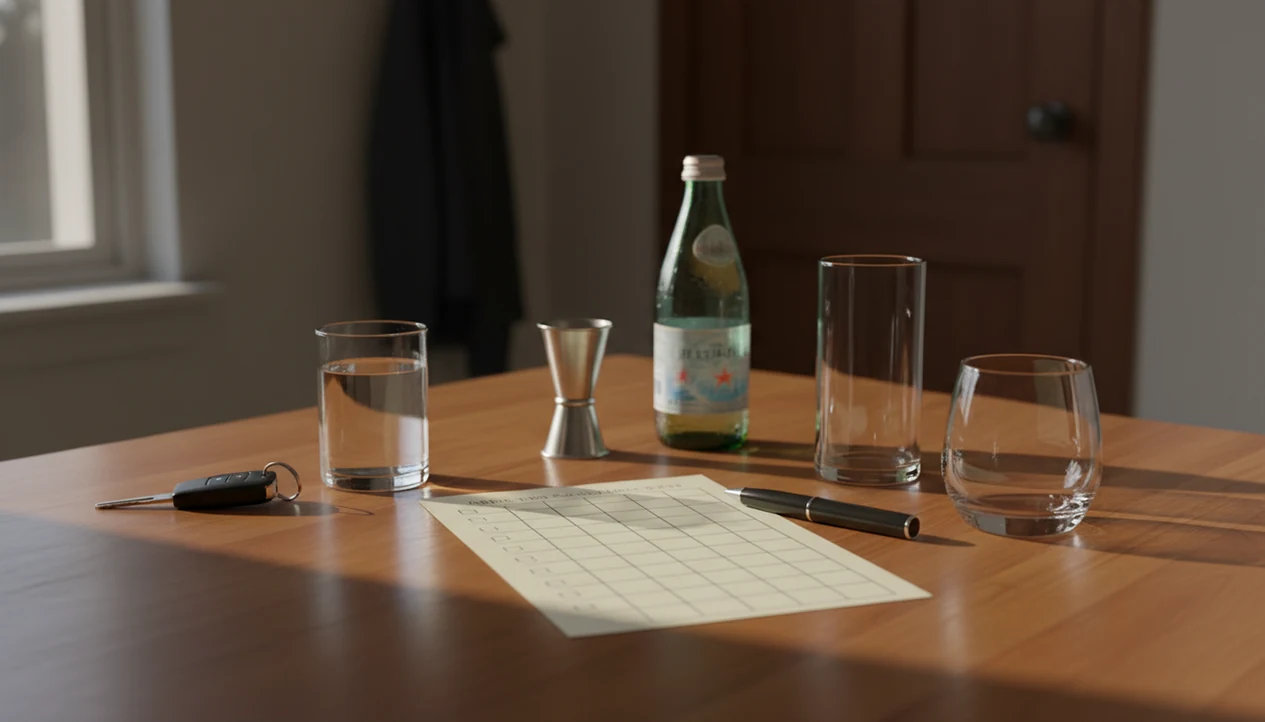
Check withdrawal risk before changing how much you drink
Use quit drinking options safely by matching the plan to your medical risk before you change alcohol intake. Before relying on willpower, find out if a sudden drop in alcohol could cause dangerous withdrawal.
- Screen withdrawal risk before stopping or cutting down quickly, especially if you drink daily, wake up shaky, have had seizures or withdrawal before, use sedatives, are pregnant, or have serious medical conditions.
- Choose a clear goal for the next phase: complete abstinence, a time-limited alcohol-free trial, or structured reduction with specific limits.
- Discuss medication with a clinician when cravings remain intense, drinking feels difficult to control, or you notice signs of dependence. Medication eligibility depends on health history, current medicines, opioid use, pregnancy, and the abstinence or reduction goal.
- Add daily support through counseling, groups, tracking, reminders, craving logs, or a simple plan for high-risk times like evenings, paydays, or social events.
- Escalate care quickly if withdrawal symptoms appear, slips keep repeating, or the plan starts shrinking to “I’ll try harder tomorrow.” More support is a safety move, not a failure.
The first 72 hours after the last drink
Before you quit alcohol without medication, check whether withdrawal could make self-guided quitting unsafe. Heavy daily drinking, previous withdrawal, seizures, pregnancy, serious medical conditions, or sedative use should move the decision into clinical care.
- Alcohol withdrawal symptoms can begin as early as 6 hours after the last drink.
- Severe withdrawal may progress to seizures or delirium tremens within 48 to 72 hours.
- Warning signs include shaking, sweating, confusion, hallucinations, seizures, racing heart, and severe agitation.
- People who drink heavily every day should not rely on determination alone before sudden cessation.
- A clinician can evaluate withdrawal risk, but an app, article, or checklist cannot manage detox.
The chest flutter near the corner store may be a craving. Confusion, seizures, or hallucinations are different. Get urgent medical help for emergency symptoms, and use a trusted guide to stop drinking withdrawal symptoms if you are trying to understand what may happen in the first days.
Get medical advice before stopping suddenly if you drink heavily every day, wake up shaky, need alcohol to feel normal, take sedatives, are pregnant, or have had withdrawal or seizures. Call emergency services for a seizure, hallucinations, confusion, severe shaking, chest pain, fainting, or rapidly worsening agitation.
Plan the handoff from withdrawal care to relapse prevention
Withdrawal treatment and relapse prevention are separate phases. Medication such as naltrexone or acamprosate does not replace medical care for dangerous withdrawal. Guidance from the National Institute on Alcohol Abuse and Alcoholism says abrupt cessation after prolonged heavy drinking can be life-threatening, and some people need inpatient care.
- Before the last drink, ask a clinician to assess daily intake, previous withdrawal, seizure history, sedative use, pregnancy, other health conditions, and the safest setting for withdrawal.
- During the first several days, follow the monitoring plan you were given. Symptoms can start 6 to 12 hours after the last drink, are often worst during the first 48 hours, and commonly improve over 3 to 7 days, according to NHS alcohol withdrawal guidance.
- After withdrawal, review relapse-prevention treatment promptly. Acamprosate is generally started after abstinence, while naltrexone may be considered while a person is still drinking if opioid use and other contraindications have been ruled out.
Do not borrow alcohol medication or use someone else’s prescription. The choice depends on opioid exposure, liver and kidney health, current medicines, pregnancy, and your drinking goal.
Medication to stop drinking: three approved options
Stop drinking medication options include naltrexone, extended-release naltrexone, acamprosate, disulfiram, and selected off-label medicines. Eligibility depends on liver health, kidney health, opioid use, pregnancy, medication interactions, side effects, and the goal of abstinence or reduction.
Naltrexone and Vivitrol
Oral naltrexone is commonly used to reduce alcohol reward and heavy drinking relapse risk. In a large clinical trial of 1,383 people with alcohol dependence, oral naltrexone reduced heavy drinking relapse risk and increased abstinent days compared with placebo when combined with medical management. Source: the COMBINE Study published in JAMA, https://jamanetwork.com/journals/jama/fullarticle/202789.
Extended-release naltrexone, often known by the brand name Vivitrol, is a monthly injection. In one study, the 380 mg injection was linked with about 25% fewer heavy drinking days per month than placebo when both groups also received counseling. Source: Garbutt et al., JAMA, https://jamanetwork.com/journals/jama/fullarticle/201539.
Acamprosate and disulfiram
Acamprosate is often used after someone has stopped drinking and wants help maintaining abstinence. According to a Cochrane review of 27 randomized trials, acamprosate increased continuous abstinence and reduced the risk of any drinking relapse compared with placebo. Source: Cochrane Database of Systematic Reviews, https://www.cochranelibrary.com/cdsr/doi/10.1002/14651858.CD004332.pub2/full.
Disulfiram is different. It does not reduce craving directly; it creates an aversive reaction if alcohol is consumed, so supervision and adherence matter.
Off-label medication choices
Some clinicians may consider off-label options such as topiramate or gabapentin in selected cases. These choices need individualized review, especially when sleep problems, anxiety, pain, or other medications are part of the picture.
How to quit drinking without medication
“Can I quit alcohol without medication?” Yes, some adults can, especially when withdrawal risk is low and the plan is structured. Non-medication does not mean unsupported, vague, or “just try harder.”
Support may include counseling, CBT skills, motivational interviewing, mutual-help groups, online programs, habit redesign, and app-based tracking. A practical plan might remove alcohol cues from the kitchen, set alcohol-free days, track cravings, set drink limits, and use replacement routines before the usual first pour.
For people with lower withdrawal risk, mild to moderate alcohol problems, a preference to avoid medication, or mindful reduction goals, this path may feel more acceptable. A specific drinking goal and regular support can reduce harm, with medication added when it fits the person’s risks and needs.
If cravings, slips, or withdrawal symptoms become unmanageable, step up the care. That is a reset, not restart from zero. A broader planning guide is covered in how to quit drinking.
Choose a plan based on risk, goal, and daily support
Use a decision process, not a guess. The safest quit plan starts with withdrawal risk, then matches medication, counseling, tracking, and daily support to the person’s goal.
- Assess withdrawal risk before sudden cessation, especially if you drink heavily, shake in the morning, or have had withdrawal symptoms before.
- Define your goal as abstinence, a trial alcohol-free period, or mindful reduction with specific drink limits.
- Ask about medication eligibility with a clinician, including liver, kidney, opioid-use, pregnancy, and interaction checks.
- Choose daily support tools such as counseling, groups, reminders, craving logs, or a quit drinking support app.
- Track progress through dry days, sober streaks, money saved, sleep changes, and trigger patterns.
- Revise the plan after slips by naming the trigger and adding support, rather than treating the lapse as proof the plan cannot work.
A phone tool can record patterns, but it cannot assess withdrawal risk, diagnose alcohol use disorder, or supervise detoxification.
Why medication and behavior support often fit together
Combined alcohol recovery plans often work because medication and behavior support do different jobs. Medication can reduce craving or drinking reinforcement, while counseling, tracking, and planning help with routines, stress, social pressure, and relapse prevention.
Examples are straightforward: naltrexone plus craving logs, acamprosate plus abstinence streak tracking, counseling plus alcohol-free day planning, or support groups plus private app check-ins. Medication can address craving or alcohol’s rewarding effects, while counseling and practical planning address stress, routines, social pressure, and what happens after a slip.
This is common, not rare. In 2022, about 29.5 million people aged 12 or older in the U.S. had alcohol use disorder, representing 10.5% of that age group, according to the National Institute on Alcohol Abuse and Alcoholism.
A slip should trigger plan adjustment, not shame. If the empty bottle is beside the recycling bin again, the useful question is specific: what cue, time, place, or feeling needs a different response next time?
Questions about alcohol medication and quitting
Do I need medication to stop drinking?
Not everyone needs medication. People with lower withdrawal risk may succeed with counseling, mutual-help groups, tracking, and changes to daily routines. Medication may be useful when cravings are strong, heavy drinking keeps returning, or abstinence is hard to maintain. A clinician can check withdrawal risk and medical eligibility.
Can I quit drinking cold turkey?
Suddenly stopping can be dangerous if you drink heavily every day, wake up shaky, need alcohol to feel normal, or have had withdrawal or seizures. Symptoms may begin 6 to 12 hours after the last drink and worsen over the next 24 to 48 hours. Get medical advice before stopping abruptly if any risk signs apply.
Which medication helps people stop drinking?
The three FDA-approved choices are naltrexone, acamprosate, and disulfiram. Naltrexone can reduce alcohol’s rewarding effects and drinking urges. Acamprosate helps maintain abstinence after withdrawal. Disulfiram creates an unpleasant reaction if alcohol is consumed. The right option depends on your goal, health, opioid use, and other medicines.
Can naltrexone be started while I am still drinking?
Naltrexone can sometimes be started while a person is still drinking. It comes as a daily tablet or monthly injection. It cannot be used with current opioid use or opioid dependence because it can trigger opioid withdrawal. A clinician also needs to review liver health and other contraindications before prescribing it.
When is acamprosate a better fit?
Acamprosate is designed to help maintain abstinence after alcohol withdrawal. It is usually started as soon as practical once the person is abstinent, and the usual regimen is two tablets three times daily. Kidney function matters because the medication is cleared through the kidneys and may not be suitable with severe renal impairment.
Does disulfiram reduce alcohol cravings?
No. Disulfiram is a deterrent, not a craving medication. Drinking alcohol while taking it can cause flushing, nausea, headache, high temperature, and palpitations. It should be used with clinical supervision and only after at least 12 hours without alcohol. Some alcohol-containing products can also trigger a reaction.
Can I quit drinking without medication or rehab?
Some adults can quit without medication or residential treatment, especially when withdrawal risk is low. A structured plan may include counseling, support meetings, alcohol-free days, craving logs, removing alcohol from the home, and replacement routines. If withdrawal appears, drinking repeatedly escapes your limits, or slips keep happening, seek clinical support.
When does alcohol withdrawal become an emergency?
Call emergency services for a seizure, hallucinations, marked confusion, severe or visible shaking, fainting, chest pain, fever, or severe agitation after stopping or sharply reducing alcohol. Do not try to manage these symptoms alone. The first 48 hours are often the most intense, but complications can develop after the first few hours.