

How the Brain Recovers After Quitting Alcohol

People often look for a date when their brain will feel normal again. Recovery is less tidy than that. Clearer mornings may arrive before steady sleep, and better concentration may show up while a familiar restaurant or Friday evening still triggers a strong urge.
The useful question is not only how much time has passed. It is also which functions are improving, which cues still cause trouble, and what response you practice when they appear. Those details give a more accurate picture than a 30-day or 90-day reset claim.
The quick version
Brain recovery after quitting alcohol can begin within days to weeks, but sleep, cravings, memory, mood, and decision-making often recover on different schedules. Studies have found brain-volume improvement during the first month and cognitive gains over 6 to 12 months. Recovery is not always complete. Heavy daily drinkers should get medical advice before stopping because withdrawal can be dangerous.
Recovery starts early, but 14 days is not a finish line
Brain rewiring after quitting alcohol can begin quickly, but it usually continues across weeks, months, and sometimes years. The clearest early research signal is an MRI finding that global grey matter volume increased significantly within about 2 weeks of abstinence in people with alcohol use disorder (PubMed).
A measurable change at 14 days is an early recovery signal, not proof that every brain function has returned to baseline. It means recovery can start earlier than many people expect. A person may sleep better in week three and still get a sharp craving when the weeknight pour used to happen after laptop shutdown.
Abstinence gives researchers the cleanest signal because alcohol exposure is removed. Cutting back can still reduce alcohol load and may lower reinforcement of the old habit loop, especially when binge episodes stop. The practical point is simple: fewer repeated alcohol cues give the brain fewer chances to rehearse drinking.
Cravings can outlast better sleep and clearer thinking. That is normal, not proof of failure.
Check your withdrawal risk before stopping
Before changing alcohol use, check whether stopping suddenly could be unsafe. This guide is for habit change and brain-rewiring practice; it is not detox treatment or a substitute for medical care.
- Pause before quitting abruptly if you drink heavily every day, have needed alcohol to steady your hands, have had withdrawal before, or live with serious medical or neurological conditions.
- Contact a clinician before stopping if you have been drinking heavily every day, even if you currently feel well. A safer plan may involve supervised tapering, medication, or monitoring.
- Watch for red flags such as seizures, hallucinations, confusion, severe shaking, extreme agitation, or symptoms that feel neurological rather than just uncomfortable.
- Seek emergency care if severe withdrawal signs appear, if someone is hard to wake, disoriented, having a seizure, seeing or hearing things that are not there, or showing new weakness, trouble speaking, or severe confusion.
- Use this page for the next layer: cue planning, craving practice, sleep protection, and alcohol-free routines after safety has been addressed.
This safety check helps match the quit plan to the actual risk of withdrawal. It is to make sure the first step does not skip the medical risk some bodies carry.
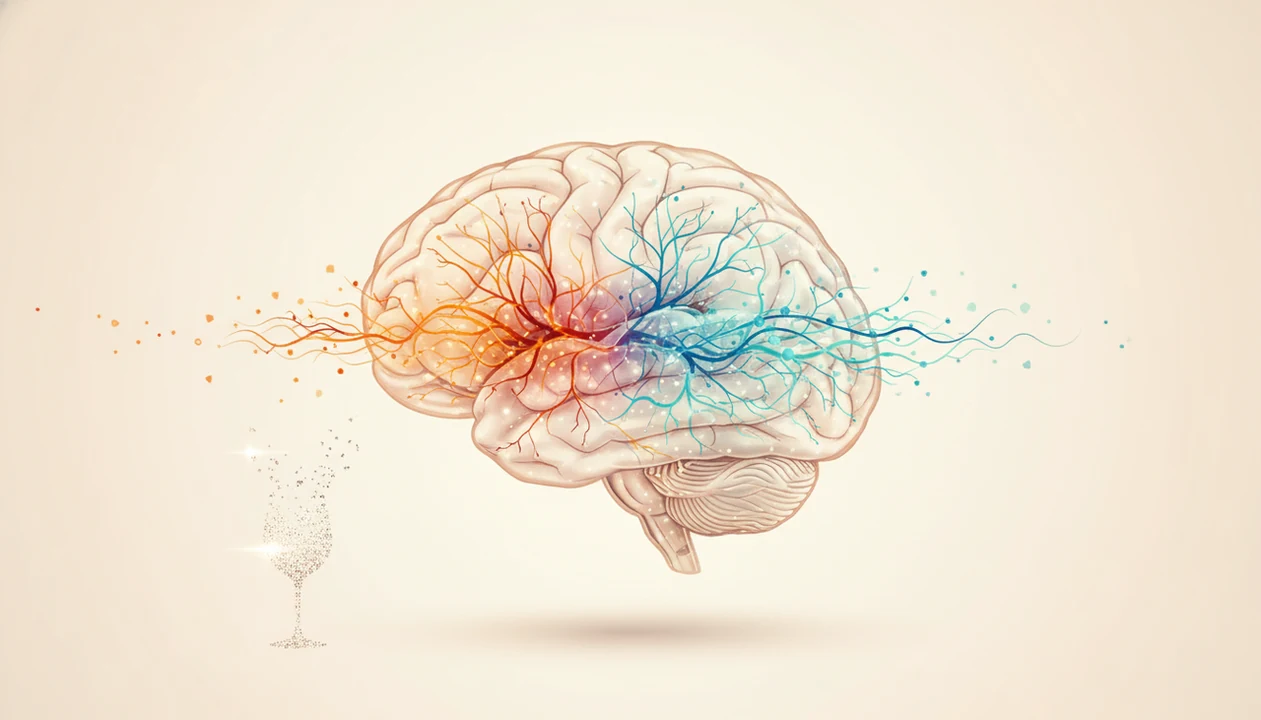
Withdrawal danger and brain recovery run on different clocks
Withdrawal symptoms can begin about 6 to 8 hours after the last drink. Seizures occur most often within 12 to 48 hours, while delirium tremens commonly develops around 48 to 72 hours and can appear later. Feeling fine for the first few hours does not establish that stopping is safe.
- Before stopping, tell a clinician how much you drink, when you drink, and when your last drink usually occurs.
- Report morning shaking, sweating, nausea, prior withdrawal, seizures, hallucinations, serious medical conditions, and psychiatric symptoms.
- Arrange monitoring or medically supervised withdrawal if dependence is possible. Detox addresses the immediate risk, while brain and behavioral recovery continue for months.
These timing ranges come from clinical alcohol detoxification guidance. Emergency symptoms include a seizure, confusion, hallucinations, severe agitation, marked shaking, fever, dehydration, or difficulty waking the person.
Five findings about neuroplasticity and alcohol recovery
- Measurable structural recovery can appear early. A longitudinal MRI study found increased global grey matter volume after about 14 days without alcohol in people with alcohol use disorder.
- Old alcohol pathways weaken through non-repetition. The brain learns from what happens repeatedly, so a cue that no longer leads to drinking can become less dominant over time.
- Cognition may keep improving across the first year. A meta-analysis in Alcoholism: Clinical and Experimental Research found that working memory, processing speed, and related functions can improve during abstinence, though some deficits may persist. For background on alcohol-related brain recovery and persistent cognitive effects, the National Institute on Alcohol Abuse and Alcoholism summarizes how alcohol can affect brain structure and function (NIAAA).
- Early discomfort can reflect recalibration. Anxiety, poor sleep, irritability, and brain fog may appear as neurotransmitters and stress systems adjust after chronic alcohol exposure. A mild hangover after two extra drinks is different from withdrawal symptoms that need medical attention.
- Some damage may be incomplete or irreversible. Severe long-term alcohol-related injury, including Wernicke-Korsakoff syndrome linked to thiamine deficiency, may not fully reverse.
How repeated alcohol-free choices reshape learned responses
Brain rewiring after quitting alcohol works through neuroplasticity, the brain’s ability to change its structure and connections through repeated experience. Repeated responses become easier for the brain to call on the next time the same cue appears.
Alcohol habits are built from cues, rewards, and relief. A certain chair, a group chat, a bar stool, or a stressful commute can become linked to the expected alcohol effect. Dopamine learning helps mark that cue as important. Stress relief loops then make drinking feel like the fastest script, even when the person has decided to stop.
Synaptic pruning alcohol habits means unused drinking pathways can become less dominant when they are not rehearsed. The brain is not deleting every memory of alcohol. It is changing which response becomes easiest to access.
Memory consolidation habit change matters here. During sleep, the brain helps stabilize what was practiced during the day. For alcohol recovery, repeated coping scripts give the sleeping brain better material to store.
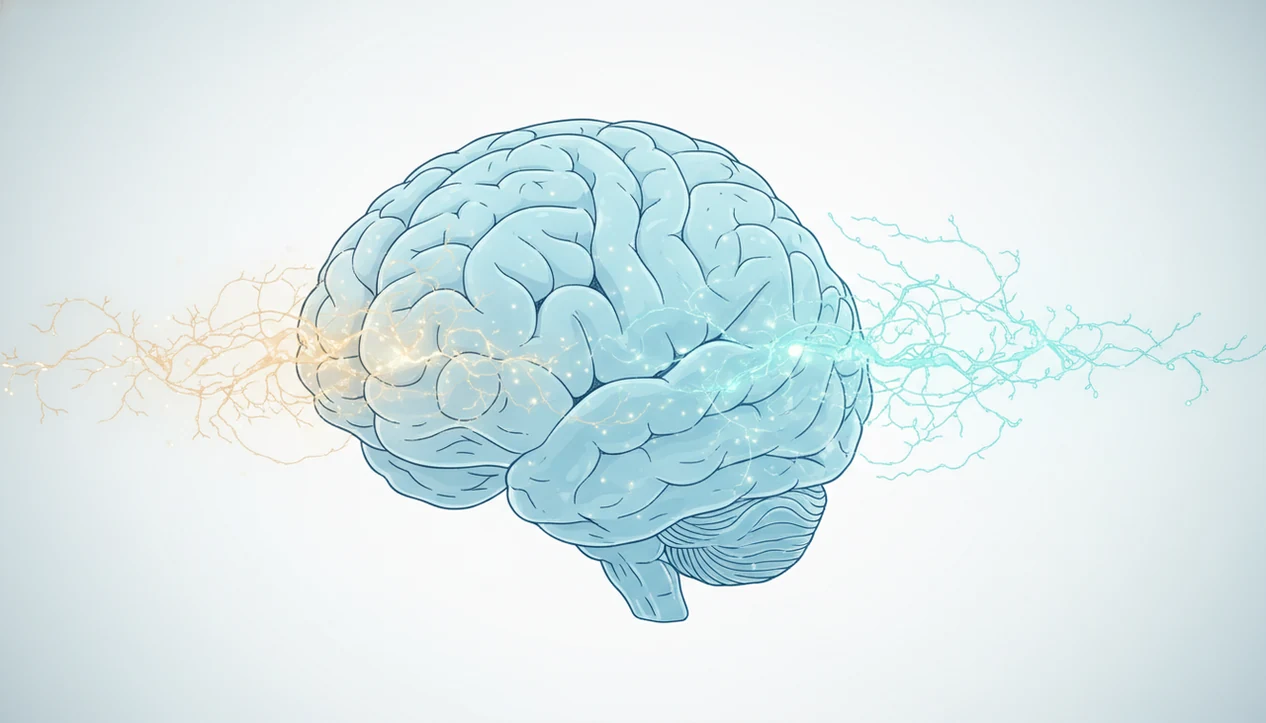
How alcohol affects adult neurogenesis and whether the brain can recover after drinking stops
Neurogenesis is the production and development of new neurons. Much of the alcohol research in this area focuses on the hippocampus, a region involved in learning and memory. Heavy and binge alcohol exposure has reduced hippocampal cell proliferation and new-neuron survival in animal studies. In one adolescent rat model, four days of binge exposure reduced cell proliferation by 21.5%, followed by 53% fewer new neurons one month later.
- Alcohol does not simply switch all adult neurogenesis off. The effect varies with dose, exposure pattern, age, dependence, inflammation, and the time since alcohol stopped.
- Animal studies have reported a rebound in neural progenitor cells and immature neurons during abstinence, including increases within 7 to 14 days after alcohol dependence.
- A rise in new-cell production does not prove that memory has recovered. New neurons must survive, mature, connect, and function within existing circuits.
These findings are biologically useful, but they cannot provide a personal human recovery date. The strongest claims about rapid neurogenesis come from animal research, including work summarized in a review of alcohol, neurodegeneration, and adult neurogenesis. For people, brain imaging and cognitive testing offer more direct evidence of recovery than counting newly formed neurons.
The first 14 days vs the months that follow
The 14 days without alcohol brain timeline is a starting point, not a finish line. Early recovery can include withdrawal risk and sleep disruption, then measurable structural changes, then slower improvements in attention, mood regulation, and planning.
| Recovery window | What may happen | Important caveat |
|---|---|---|
| Days 1-7 | Neurochemical recalibration, anxiety, cravings, sleep disruption, and brain fog | Withdrawal can be medically risky for some people |
| Around day 14 | MRI evidence has shown increased grey matter volume in alcohol use disorder after abstinence | Structural improvement does not equal full recovery |
| Months 1-6 | Focus, planning, emotional regulation, and sleep consistency may improve | Progress often arrives unevenly |
| Months 6-12 and beyond | Working memory and processing speed may continue improving | Long-term heavy use can leave persistent deficits |
Days 1-7: recalibration and withdrawal signals
Early symptoms can feel surprisingly physical: restless legs, jumpy sleep, stomach tension, and a brain that keeps asking for the old shortcut. People with alcohol use disorder may need medical support when cutting down or stopping.
Around day 14: measurable structural recovery
Around 14 days, some studies report grey matter recovery, especially in frontal and parietal regions. The frontal areas matter because they support planning, inhibition, and decision-making.
Months 1-12: cognitive and emotional recovery
Across months, many people report better follow-through and fewer foggy mornings. For deeper symptom detail, see the guide on brain fog after drinking alcohol.
Do not stop suddenly without medical advice if you drink heavily every day, have morning withdrawal symptoms, or have had withdrawal seizures or delirium before. Call emergency services for a seizure, hallucinations, confusion, severe agitation or shaking, or if someone is hard to wake.
How long the brain takes to heal after quitting alcohol
There is no single dopamine reset date or point when every part of the brain has healed. Withdrawal, sleep, reward, memory, and executive function follow separate timelines. A person may think more clearly after several weeks while still feeling bored or unusually flat because alcohol-linked rewards and routines remain disrupted.
| Time | Possible changes | Limits and risks |
|---|---|---|
| Days 1 to 7 | Withdrawal, poor sleep, anxiety, cravings, and early stabilization | Withdrawal can be medically dangerous for a physically dependent drinker |
| Weeks 2 to 4 | Clearer mornings and early brain-volume recovery may appear | Cravings can remain strong at familiar drinking times |
| Months 1 to 3 | Sleep, mood regulation, planning, and reward response may improve | Changes are often uneven |
| Months 3 to 12 | Attention, memory, processing speed, and executive function may continue improving | Some deficits can persist after severe or prolonged exposure |
A longitudinal MRI study found the fastest gray-matter recovery during the first 30 days, with additional regional recovery through 7.5 months of abstinence. A separate 2024 systematic review of cognitive recovery found that many functions improved within 6 to 12 months, although processing speed and some working-memory functions often improved earlier.
Brain cell growth and hippocampal recovery after quitting alcohol
Brain cell growth, hippocampal volume, and clearer thinking are related, but they are not interchangeable measurements. Animal models can measure new-cell production directly. Human studies more often use MRI scans, memory tests, and other cognitive assessments. Those methods can show recovery without proving that newly generated neurons caused it.
- During the first week, animal studies have found bursts of cell proliferation after heavy alcohol exposure ends. This is sometimes called reactive neurogenesis.
- Over several months, human imaging has found increases in hippocampal and other regional brain volumes during sustained abstinence.
- Over 6 to 12 months, attention, executive function, perception, and memory may improve, although the pace and degree differ among people.
BDNF, or brain-derived neurotrophic factor, helps support plasticity, learning, and neuron survival. Alcohol can disturb BDNF-related signaling and inflammatory pathways, but current evidence does not support using a BDNF level to predict an individual's recovery. A 7.5-month MRI study found significant regional recovery, while the NIAAA neuroscience overview cautions that the brain's ability to return fully to its previous state remains uncertain.
Treat improved focus, sleep, memory, and follow-through as useful signs. No single symptom or scan can confirm that every alcohol-related brain change has reversed.
Practice a replacement during the real trigger
Choose one response before the usual drinking cue arrives, then rehearse it each time that situation comes up. Rewiring depends less on one dramatic decision and more on ordinary repetition.
- Track the cue. Write the time, place, mood, people, craving intensity, and response, not just “bad craving.”
- Choose one replacement early. Pick the action before the craving starts, such as leaving the room, making food, taking a walk, or texting support.
- Practice in the real trigger. Use the replacement during the usual drinking hour, not only when motivation is high.
- Log streaks, slips, and milestones. Visible patterns help separate evidence from shame.
- Protect sleep. Memory consolidation helps new habit scripts stick after repeated alcohol-free evenings.
- Reset after a slip. Review the cue, name what happened, and choose the next response.
For most people, cue-based practice is easier than willpower-only quitting because it trains the brain inside the moment that usually predicts alcohol.
Sleep helps the brain retain new coping patterns
Sleep is not just a side benefit of quitting alcohol. The brain consolidates learning during sleep, including new coping scripts that were practiced while awake.
Early sleep can get worse before it gets better. Alcohol changes neurotransmitter activity and stress-system balance, so removing it can lead to rebound wakefulness, vivid dreams, or 3 a.m. alertness. Alcohol may make someone fall asleep faster, but it can disrupt sleep quality and contribute to rebound wakefulness after stopping. It often means the nervous system is recalibrating.
Repeated alcohol-free evenings give the brain something to consolidate. One night might be “I changed rooms when the craving hit.” Another might be “I ate dinner before the urge peaked.” Small, specific scripts matter.
A practical sleep plan is boring on purpose: consistent wake time, low light before bed, no late caffeine, and non-alcohol relaxation. The phone goes face down. That small boundary helps.
Why old drinking cues can still cause cravings
Do alcohol cravings fade because the brain prunes old drinking pathways? They can fade for many people, but cue-induced cravings may remain reactive for years, especially in familiar drinking settings.
Drinking cues are learned associations, not personal failure. The brain has linked a signal with a predicted reward or relief. A lighter offered across bar stools, a restaurant menu, or the start of a weekend can all become cues if they were paired with alcohol often enough.
When the cue appears and drinking does not happen, the brain receives a prediction error. The old expectation, “this moment leads to alcohol,” is not confirmed. Repeated non-use can make that pathway less dominant while strengthening an alternative.
This is why trigger plans matter after early progress. A calmer month does not prove cues are gone. It may simply mean the strongest cues have not appeared yet. The related guide on cue induced alcohol craving explains why some urges feel automatic.
Abstinence, cutting back, and what each can change
Mindful reduction can support brain rewiring when it lowers total alcohol exposure and reduces repeated reinforcement of the old loop. Fewer drinking episodes mean fewer chances for the cue-reward pathway to rehearse itself.
Abstinence usually creates the cleanest conditions for measuring brain and habit changes. The signal is simpler: no alcohol exposure, fewer confounding effects, and clearer feedback from sleep, mood, and cravings. Still, some adults start with alcohol-free weekdays, drink caps, trigger swaps, or delaying the first drink.
For readers comparing approaches, the alcohol reduction guides cover both abstinence and cut-back planning.
Mistakes that make recovery harder than it needs to be
Several common mistakes can slow brain rewiring after quitting alcohol, especially when people treat recovery as a countdown instead of a learning process.
- The calendar-reset mistake. Expecting a fixed 30-day or 90-day brain reset can make normal ups and downs feel like failure.
- The willpower-only mistake. Motivation helps, but it rarely replaces planning for cues, stress, boredom, and social pressure.
- The body-neglect mistake. Sleep, nutrition, movement, and stress load affect attention, mood, and craving tolerance.
- The slip-equals-failure mistake. One drink can be data about a trigger rather than proof that rewiring stopped.
- The safety-delay mistake. Intense withdrawal symptoms, confusion, seizures, hallucinations, or severe shaking need medical support.
Reducing alcohol-related risk may require sustained reduction or abstinence, plus clinical support when physical dependence or withdrawal is possible.
Signs your alcohol-free responses are becoming automatic
Alcohol-free brain patterns are often sticking when urges become less automatic, shorter, or easier to answer with a planned response. Days sober matter, but they are not the only evidence.
Look for practical changes: better morning energy, fewer “I already poured it” moments, improved follow-through, calmer trigger response, and less bargaining at the usual drinking hour. Progress is often nonlinear. A person can have a clear week, then feel heavy shoulders at happy hour when an old social cue returns.
A useful craving log includes intensity, duration, cue, and response. For example: “6:40 p.m., kitchen, lonely, 7/10, ate dinner and walked 12 minutes.” That entry is more useful than “failed” or “good day.”
Milestone tracking can support motivation because it makes repetition visible. The wider benefits of drinking less alcohol can also help define progress beyond the calendar.
Brain recovery questions after alcohol
Can the brain heal after quitting alcohol?
Many alcohol-related brain changes can improve after drinking stops. MRI studies have found brain-volume recovery within the first month and continued regional improvement over several months. Thinking, memory, and attention can also improve. Recovery varies, however, and severe or prolonged alcohol exposure can leave persistent changes.
How long does brain recovery after quitting alcohol take?
Early adaptation can begin within days, and measurable structural recovery may appear within weeks. Sleep, cravings, mood, memory, and decision-making recover at different rates. Research suggests that several cognitive functions often improve over 6 to 12 months, but there is no universal date when the brain is fully healed.
What happens to the brain after 14 days without alcohol?
Around two weeks, some studies have detected increased brain volume or improved tissue measures in people remaining abstinent. A person may also notice clearer mornings or changing sleep. These are early signals, not proof of complete recovery. Cravings, poor concentration, and mood changes may continue well beyond two weeks.
When does brain fog improve after quitting alcohol?
Some people notice clearer thinking within several weeks, while others need months. Sleep disruption, withdrawal, nutrition, medication, liver health, depression, anxiety, and the length of heavy alcohol use can all affect the timeline. Seek medical care if confusion is severe, sudden, worsening, or accompanied by shaking, hallucinations, or unusual behavior.
Does dopamine reset after quitting alcohol?
There is no established day when dopamine resets. Alcohol changes reward learning and can make ordinary activities feel less satisfying for a time. Reward sensitivity and motivation may improve over weeks or months as alcohol exposure stops and other rewarding routines return. Persistent low mood or loss of pleasure deserves clinical attention.
Can brain cells grow back after quitting alcohol?
Animal research suggests that production of new cells in the hippocampus can rebound after heavy alcohol exposure stops. Human imaging also shows structural recovery during abstinence, but a larger brain region on MRI does not prove that new neurons caused the change. Complete regrowth cannot be promised for an individual.
Do alcohol cravings ever disappear completely?
Cravings often become less frequent, shorter, or easier to answer, but familiar places, people, stress, or celebrations can trigger an urge after a long quiet period. That does not erase recovery. A prepared response, such as leaving, eating, calling support, or ordering a nonalcoholic drink, reduces the need to decide in the moment.
Does cutting back help the brain recover?
Reducing alcohol exposure, especially binge episodes, may reduce repeated stress on the brain and weaken some drinking routines. Abstinence provides the clearest research evidence for structural and cognitive recovery. People with physical dependence should not attempt an abrupt reduction or stop without medical advice because withdrawal can be dangerous.