
Why Alcohol Damages Women’s Livers Faster
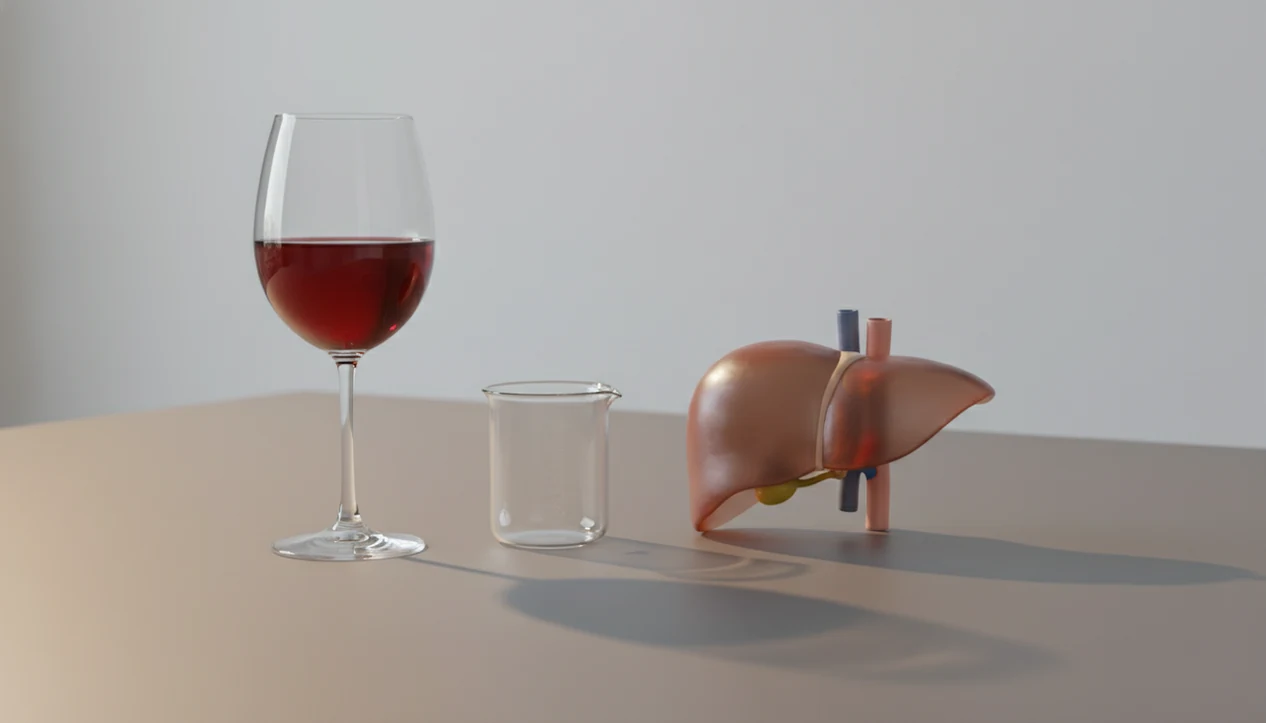
Women often develop alcohol-related liver injury faster and at lower drinking levels than men because alcohol is processed differently in female bodies, creating higher liver exposure per drink. This is the core issue behind women alcohol liver damage: lower body water, metabolism differences, estrogen-related inflammation, and metabolic risk factors can all raise vulnerability.
> Definition: Female alcohol liver disease is alcohol-related liver injury in women that can begin as fatty liver and progress to alcohol-associated hepatitis, cirrhosis, liver failure, or cancer risk if drinking continues.
TL;DR
- Women can develop alcohol-related fatty liver, hepatitis, and cirrhosis at lower alcohol exposure than men.
- Early alcohol-related liver disease often has no symptoms, so normal daily functioning does not prove the liver is unharmed.
- Reducing or stopping alcohol is the most important protective step, especially when liver damage or metabolic risk factors are present.
At-a-glance facts on women alcohol liver damage
Quick answer: Women may develop alcohol-related liver damage at lower drinking levels and in less time than men because each drink can produce higher alcohol exposure in the liver. Cutting down or stopping alcohol can reduce ongoing liver stress, but symptoms or heavy daily use should be discussed with a clinician.
Key takeaways
- Female biology often means less body water to dilute alcohol, so the same drink can have a stronger effect.
- Alcohol-related liver harm can be silent for years, so normal daily functioning does not prove the liver is safe.
- Binge patterns may be especially risky because the liver faces repeated high-dose exposure.
- Weight gain, insulin resistance, hepatitis, and some medications may increase liver vulnerability.
- Do not stop heavy alcohol use suddenly without medical advice; withdrawal can be dangerous.
- Tracking drinks, cravings, triggers, and alcohol-free days can make risk patterns easier to change.
- Women can develop alcohol-related liver disease with less alcohol exposure than men. The same number of drinks can create higher alcohol exposure in female bodies.
- Early disease may be silent for years. Feeling fine at work, parenting, or exercising does not rule out liver injury.
- The typical progression is fatty liver, alcohol-associated hepatitis, then cirrhosis. Not everyone moves through every stage, but that is the usual medical pathway.
- Stopping alcohol is the most important treatment step once damage is present. Clinicians typically recommend abstinence when alcohol-related liver damage is suspected or confirmed.
- Metabolic risk factors can stack with alcohol risk. Obesity, diabetes, high blood pressure, and abnormal cholesterol can add liver fat and inflammation.
A calendar can look normal while the liver is not.
How alcohol affects women’s livers faster
Alcohol affects women’s livers faster because the same drink often produces higher blood alcohol exposure, more toxic byproducts, and stronger inflammatory signaling than it does in men. This is a risk pattern, not a guarantee that every woman who drinks will develop liver disease.
Women generally have lower average body water than men. Alcohol spreads through body water, so a standard drink can lead to a higher blood alcohol concentration. Differences in alcohol-metabolizing enzymes also matter. If less alcohol is broken down before it reaches the liver, the liver has more work to do. The NIAAA notes that women tend to absorb and metabolize alcohol differently than men and can reach higher blood alcohol concentrations after drinking comparable amounts NIAAA alcohol data.
Inside the liver, alcohol is converted into acetaldehyde. That byproduct can damage cells and increase oxidative stress, which is a plain-language way to say the liver is dealing with chemical wear and tear. Estrogen and immune signaling may also intensify inflammation in some women.
The sticky bar table is not the danger. The repeated exposure is.
Women’s alcohol cirrhosis risk by liver disease stage
Women’s alcohol cirrhosis risk rises as liver injury moves from fat buildup to inflammation and then to scarring. Symptom severity does not always match the amount of internal damage.
Alcohol-related fatty liver can occur early. In many people, it can improve when alcohol stops, especially before scarring becomes advanced. Alcohol-associated hepatitis is different. It means the liver is inflamed, and it can become serious quickly in some cases.
Cirrhosis means scarring has changed the liver’s structure. Advanced cirrhosis can become irreversible, even when a person later stops drinking. Complications can include fluid buildup in the belly, bleeding from enlarged veins, confusion, infections, and higher liver cancer risk. The NIDDK describes cirrhosis as permanent liver scarring that can lead to portal hypertension, liver failure, and liver cancer risk NIDDK liver disease data.
For women, reducing alcohol before cirrhosis develops is often safer than waiting for symptoms because early liver disease can be quiet for a long time.
Alcohol-related liver disease symptoms women should not ignore
Can alcohol-related liver disease have no symptoms in women? Yes. Early alcohol-related liver disease often has no obvious symptoms, which is why “I feel normal” is not a reliable liver check.
Possible symptoms include fatigue, nausea, loss of appetite, abdominal pain, yellow skin or eyes, swelling, itching, easy bruising, and confusion. Some people notice a vague heaviness under the right ribs. Others only see abnormal liver enzymes on routine blood work.
Seek urgent medical care for yellow skin or eyes, vomiting blood, black stools, severe abdominal swelling, confusion, or severe weakness. Those are not “track it for a week” symptoms.
Do not assume alcohol is the only explanation. Viral hepatitis, autoimmune liver disease, medication toxicity, and metabolic fatty liver disease can look similar. If symptoms are present, a clinician can decide whether liver enzymes, imaging, or specialist care are needed.
When to seek medical help for possible liver damage
Seek medical help right away if possible liver damage comes with danger signs. For less urgent concerns, book care soon if drinking, lab results, or metabolic health makes liver risk plausible.
- Get emergency care for jaundice, vomiting blood, black stools, new confusion, severe belly or leg swelling, fainting, or extreme weakness. These can signal bleeding, liver failure, infection, or fluid complications.
- Book a routine appointment if you drink regularly, drink more than planned, have past abnormal liver enzymes, or have diabetes, obesity, high blood pressure, abnormal cholesterol, or a family or personal liver history.
- Ask what testing fits your situation. A clinician may start with liver enzyme blood tests, check clotting or bilirubin when needed, order ultrasound or other imaging, and decide whether hepatology or addiction-medicine referral is appropriate.
- Ask about withdrawal safety before stopping suddenly if you are physically dependent, drink heavily every day, wake up needing alcohol, or have had shakes, sweats, seizures, or hallucinations after cutting down.
A normal-looking week is not the same as a normal liver panel.
14-unit drinking patterns that raise female alcohol liver disease risk
A 14-unit pattern raises concern because total alcohol dose and recovery time both affect female alcohol liver disease risk. Wine, beer, and spirits can all harm the liver when the alcohol dose adds up.
The NHS advises adults not to drink more than 14 units a week on a regular basis and to spread drinking over 3 or more days when reaching that level the NHS alcohol data. A review in PMC/NIH citing the Million Women Study reported that women who drank daily were more susceptible to liver injury than non-daily drinkers the NIH.
Daily drinking can be more concerning than non-daily drinking because the liver gets fewer alcohol-free recovery windows. That “small pour” beside the sink still counts if it happens every night.
There is no universally safe amount for every woman. Thresholds vary with body size, genetics, medications, liver history, and metabolic health. For craving patterns and drink-limit planning, the alcohol reduction guides explain habit cues in more detail.
Metabolic risk factors that intensify women’s alcohol cirrhosis risk
Metabolic risk factors can intensify women’s alcohol cirrhosis risk because they add liver fat, insulin resistance, and inflammation to alcohol exposure. The combination can be harder on the liver than either risk alone.
Obesity, insulin resistance, diabetes, high blood pressure, and abnormal cholesterol can increase fat inside liver cells. When alcohol is added, the liver may face two overlapping stressors. MetALD means metabolic dysfunction plus alcohol-related liver risk. In plain language, it is the overlap zone where drinking and metabolic health both matter.
A Cedars-Sinai report found that women with MetALD had an 83% higher risk of dying than men with MetALD over a median 26.7 years cedars sinai alcohol data. The same report noted higher mortality risk in women with alcohol-associated liver disease.
Metabolic risk does not mean alcohol is the only cause. It does mean women with drinking plus diabetes, belly weight gain, or abnormal cholesterol should ask about liver evaluation. Related heart risks are covered in women alcohol heart damage.
Alcohol reduction steps for women’s liver damage risk
Reducing drinking lowers alcohol exposure, but stopping completely is the most important protective step once liver damage is present. If you may be physically dependent on alcohol, talk with a clinician before stopping suddenly because withdrawal can be dangerous.
- Ask for medical guidance if you have symptoms, abnormal liver tests, heavy daily drinking, or past withdrawal.
- Log every drink for two weeks, including size, time, place, and whether it followed stress, hunger, or social pressure.
- Add alcohol-free days so the liver has recovery windows and the habit loop gets interrupted.
- Name the cue before drinking, such as boredom, pain, loneliness, or the “I need something” feeling.
- Choose a replacement action like tea, a walk, gum, or a 10-minute phone timer.
- Repair the streak after a slip by asking what triggered it, not by saying, “I already messed up, so why not keep going?”
A private drink log can make patterns visible without turning this article into medical advice. Me Quit can support craving, streak, and milestone tracking for adults trying to drink less, but it cannot diagnose liver disease, manage detox, or replace care from a clinician. If willpower not working alcohol patterns show up at night, the willpower alcohol habits guide may help you build more friction before the first drink.
Limitations
This article explains risk patterns, but it cannot predict one person’s liver outcome. Use it as a prompt for safer choices and medical questions, not as a diagnosis.
- There is no safe amount of alcohol for everyone, but injury thresholds vary by person.
- Stopping alcohol can improve fatty liver and some inflammation, but it may not fully reverse advanced cirrhosis.
- People with alcohol dependence may need supervised withdrawal care rather than a sudden stop at home.
Small data point. Big decision point.
FAQ
Why does alcohol hurt women’s livers faster?
Alcohol can hurt women’s livers faster because women often have lower body water, different alcohol-metabolizing enzyme activity, and higher blood alcohol exposure from the same drink. Alcohol breakdown also creates acetaldehyde and oxidative stress, which can injure liver cells over time.
Can women get cirrhosis sooner than men?
Yes. Women may develop alcohol-related cirrhosis faster or with less lifetime alcohol exposure than men. The risk is higher when drinking continues over years, especially with metabolic risk factors such as diabetes, obesity, high blood pressure, or abnormal cholesterol.
Is wine safer for women’s livers than beer or liquor?
Wine is not automatically safer for women’s livers. Total alcohol dose matters more than beverage type, so a large glass of wine, strong beer, or mixed drink can all contribute to alcohol-related liver injury.
Can alcohol-related liver damage have no symptoms?
Yes. Early alcohol-related liver damage often has no symptoms, and a person may feel normal while fatty liver or inflammation is developing. Blood tests and imaging may detect problems before obvious warning signs appear.
What are early liver warning signs in women?
Possible warning signs include fatigue, nausea, appetite loss, abdominal discomfort, itching, swelling, easy bruising, and yellow skin or eyes. Seek urgent medical care for jaundice, vomiting blood, black stools, severe belly swelling, confusion, or severe weakness.
Does daily drinking damage the liver even without binges?
Daily drinking can increase liver risk even without binge episodes because the liver has less alcohol-free recovery time. Risk depends on total dose, frequency, body size, medications, metabolic health, and existing liver condition.
Can stopping alcohol reverse liver damage in women?
Stopping alcohol can reverse or improve some alcohol-related fatty liver and inflammation, especially in earlier stages. Advanced cirrhosis may not fully reverse, so suspected liver disease should be evaluated by a clinician.
Should women who drink ask for liver tests?
Women who drink regularly, drink above recommended limits, have symptoms, or have metabolic risk factors should ask a clinician about liver enzymes, imaging, and further evaluation. Testing is especially important if there is jaundice, swelling, easy bruising, confusion, or past abnormal liver results.