

How Naltrexone May Reduce Alcohol Cravings and Heavy Drinking
The quick version
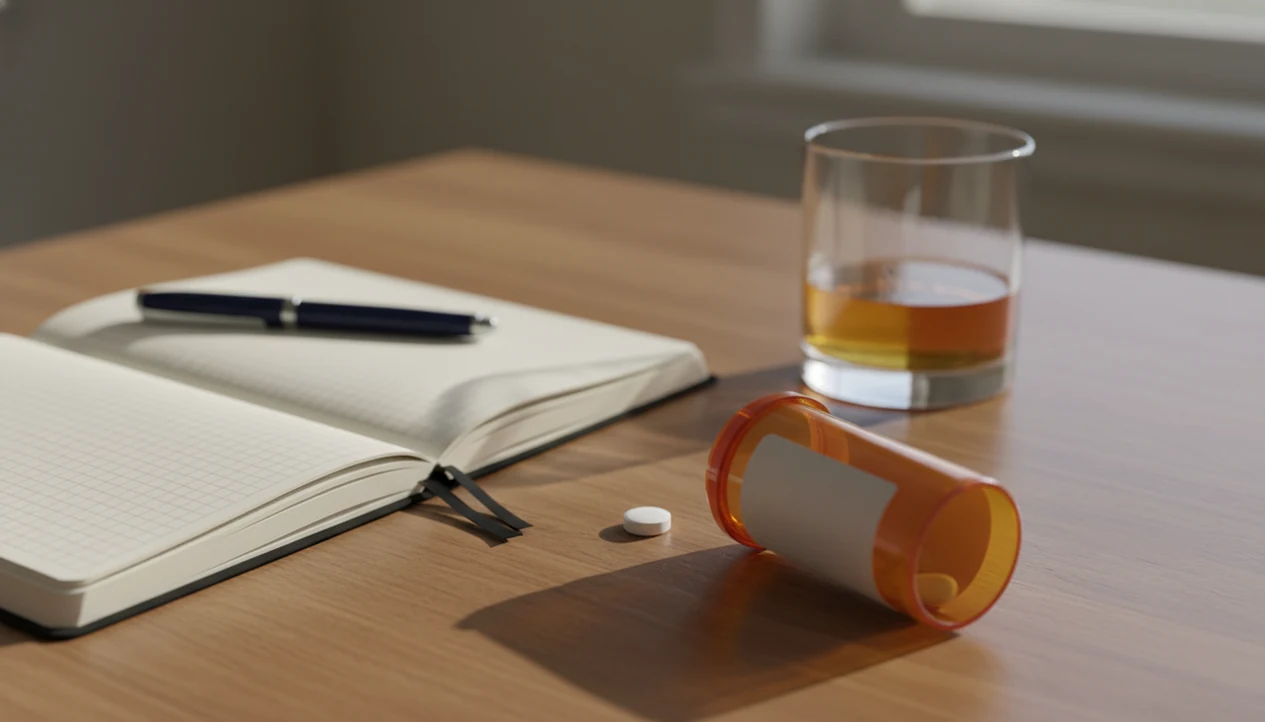
Naltrexone can reduce alcohol’s rewarding effect and lower the risk of heavy-drinking days for some adults. It does not cause an Antabuse-like reaction or treat alcohol withdrawal. A clinician must review opioid exposure, liver health, other medications, and withdrawal risk before prescribing it. Counseling, tracking, and regular follow-up can make the treatment more useful.
For some people, the hardest part of cutting back is not deciding to stop. It is the pull that starts with one drink and quickly becomes several. Naltrexone may turn down that reward response enough to create more room for a different choice.
This prescription medication is used for alcohol use disorder, but results vary. It also has serious opioid interactions and requires a medical safety review. This page is educational and does not recommend a dose or replace care from a prescribing clinician.
What naltrexone can and cannot do
- Naltrexone is FDA-approved for alcohol use disorder. Available evidence shows it may reduce cravings, heavy-drinking days, or the rewarding pull of alcohol for some people.
- Naltrexone works differently from disulfiram. It reduces reward signaling rather than making a person sick after drinking alcohol.
- It comes in two common formats. Prescribers may use a daily oral tablet or a long-acting monthly injection, depending on health history and adherence needs.
- It is one part of care. Clinicians typically recommend medication alongside counseling, coaching, mutual support, or structured self-monitoring.
- It does not decide the goal for you. Some people use it while pursuing abstinence; others discuss naltrexone to drink less with a clinician.
The party cooler packed with cans can still look loud. Medication may lower the volume, not erase the scene.
Why alcohol may feel less rewarding
Naltrexone works by blocking opioid receptors that help translate alcohol use into reward, reinforcement, and craving.
Alcohol can trigger endorphin activity, which then affects dopamine signaling in reward pathways. Relief, pleasure, or a quick mood change can teach the brain to repeat drinking. Naltrexone sits on opioid receptors and blocks part of that chain. Blocking part of this reward chain may reduce alcohol’s payoff without punishing the person after a drink.
This mechanism matters for people who describe the first drink as a switch. One glass feels less like a choice and more like a pull. For some, naltrexone may make that first drink less reinforcing, which can reduce the drive toward more. However, response varies. Cravings may fall quickly, slowly, or not enough to feel useful.
Most treatment plans pair naltrexone with behavioral support and regular reviews of drinking, cravings, side effects, and goals.
How much does naltrexone reduce heavy drinking?
Naltrexone has clinical evidence for helping some people drink less, especially by reducing heavy-drinking risk rather than eliminating every craving.
In the large COMBINE trial, 73.7% of patients receiving naltrexone had a “good clinical outcome,” compared with 58.2% receiving placebo, according to the published trial report the NIH. The same study reported 80.6% days abstinent with naltrexone versus 75.1% with placebo. It also found a lower risk of a heavy-drinking day, 66.2% versus 73.1%.
Those numbers are meaningful, but they are not a guarantee for one person sitting at a kitchen table after work. Trials report averages. Individuals bring different drinking patterns, liver health, medication adherence, stress load, and support systems.
For people trying naltrexone to drink less, the evidence is strongest when the medication is treated as a support for behavior change. A craving log, drink limits, and planned alternatives still matter, especially when why one drink becomes more is part of the pattern.
Do not abruptly stop alcohol without medical advice if you drink heavily every day, wake up needing alcohol, or have had withdrawal seizures, hallucinations, or delirium. Call 911 for a seizure, severe confusion, hallucinations, fainting, chest pain, or severe shaking.
What systematic reviews say about the benefit
The most consistent benefit is a lower risk of heavy drinking, not the complete disappearance of every urge. A 2022 Cochrane review of 50 randomized trials, including 7,793 participants, found that naltrexone reduced heavy-drinking risk to 83% of the risk seen with placebo. It also reduced drinking by about 3.9 days per 100 treatment days.
A 2023 JAMA systematic review estimated that about 11 people would need treatment with oral naltrexone at the studied dose to prevent one additional return to heavy drinking. About 18 would need treatment to prevent one additional return to any drinking. These are group averages, not a forecast for one person.
Judge progress by changes in heavy-drinking episodes, total drinking days, craving intensity, and control after the first drink. Expecting every craving to vanish can hide a meaningful reduction in risk.
Who may be a reasonable candidate?
“Who should ask about an FDA-approved medication alcohol cravings option?” Adults who struggle with heavy-drinking days, repeated failed cutbacks, or strong alcohol reward may reasonably ask a qualified clinician about naltrexone.
Alcohol use disorder is common. In 2022, an estimated 28.8 million people aged 12 or older in the United States had AUD, according to NIAAA alcohol facts and statistics NIAAA alcohol data. That population-level number does not diagnose any one reader. It does show that needing help is not unusual.
Some people ask about naltrexone while aiming for abstinence. Others want fewer binge episodes, fewer blackouts, or more dry days. A mild hangover after two extra drinks is not the same as alcohol withdrawal symptoms that need medical care.
Only a clinician can decide whether naltrexone is appropriate. That decision may include alcohol history, opioid use, liver tests, pregnancy status, other medications, and whether medical detox is needed before any reduction plan.
Daily pill vs monthly injection
Oral and injectable naltrexone deliver the same core medication strategy, but they differ in adherence, convenience, reversibility, and clinic involvement.
| Format | Typical use pattern | Practical advantage | Practical tradeoff |
|---|---|---|---|
| Daily oral naltrexone | Commonly prescribed as a daily pill, often described as 50 mg when prescribed | Easier to stop or adjust under clinician guidance | Missed doses can reduce coverage |
| Monthly injection | Long-acting injection given about once monthly | Removes the daily pill decision | Requires clinic visits and lasts longer once given |
| Adherence fit | Depends on routine | Good for people who reliably take medication | Harder if evenings are chaotic |
| Clinical oversight | Needed for both | Prescriber can monitor side effects and labs | Injection requires scheduled administration |
The prescriber chooses the format based on medical history and practical needs. A person who forgets tablets during travel may prefer one option. Someone who wants faster reversibility may prefer another. Small details count here, like whether the pill bottle is actually opened before the evening craving starts.
Use a simple log to judge real-world results
Naltrexone often fits better inside a behavior-change plan than as a stand-alone prescription. Drink logging, craving tracking, and trigger review help show whether the medication is changing real-world patterns.
- Set a drinking goal with your clinician, such as abstinence, fewer heavy-drinking days, or a weekly limit.
- Log each drink with time, amount, setting, and whether alcohol felt rewarding.
- Track each craving with trigger, intensity from 1 to 10, and response.
- Review patterns weekly for repeated cues, such as payday, loneliness, or a late commute past the same shop.
- Mark milestones such as dry days, sober streaks, fewer binges, or money not spent.
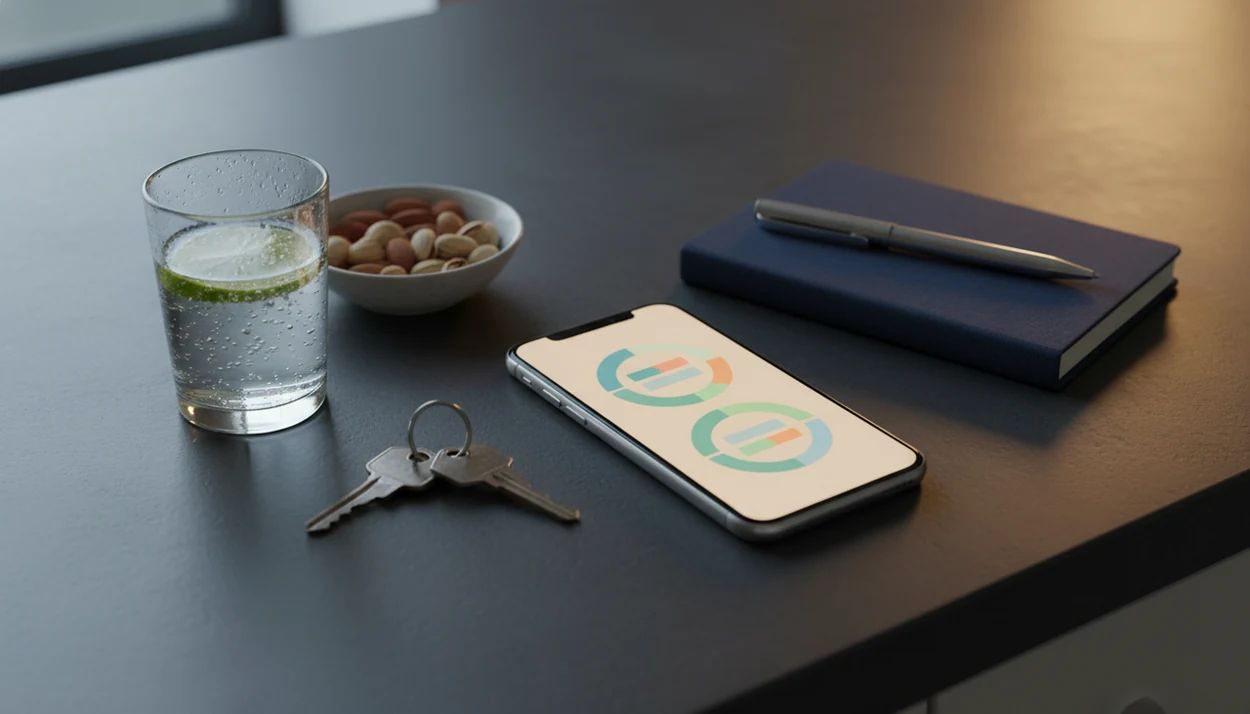
A useful log is plain: “Friday, 7:40 p.m., stress, craving 8, walked outside, drank club soda.” The lime wedge sinking in club soda is data too.
A private behavior-tracking hub can support logging, reminders, and reset planning, but it should not present itself as prescribing medication or supervising detox. For broader routines, the alcohol reduction guides cover non-medication planning.
Treatment usually lasts months, not days
Naltrexone treatment duration is individualized, but research and public-health guidance usually frame alcohol-use treatment in months, not days.
A 2024 systematic review of AUD pharmacotherapy trials found an average trial duration of 3 months, with better outcomes when naltrexone treatment lasted longer than 3 months the NIH. SAMHSA guidance also recommends that overall AUD treatment continue for at least 6 to 12 months SAMHSA source, reflecting relapse risk during the first year.
The right duration depends on response, side effects, drinking goals, and the prescriber’s clinical review, not a fixed three, six, or twelve-month deadline. Prescribers periodically review cravings, drinking days, side effects, liver health, adherence, and goals. Some people stop after a stable period. Others restart medication if cravings or heavy drinking return.
A health milestone ping during a commute can be useful, but it is not the same as a clinical review. The medication decision remains medical.
Before the first dose: liver health, opioids, and side effects
Safety checks before naltrexone usually include medical history, medication review, and liver monitoring. People should not start, stop, or change naltrexone without a clinician.
Naltrexone can affect the liver, so clinicians may order baseline and periodic liver function tests. This is especially relevant for people who drink heavily or already have liver disease. Possible side effects include nausea, headache, fatigue, sleep changes, appetite changes, or stomach discomfort. Some people tolerate it well; others stop because the side effects feel too disruptive.
The opioid issue is important. Naltrexone blocks opioid receptors, so it can interfere with opioid pain medication and may create serious risk if someone tries to override the blockade. Tell the prescriber about recent or current opioid use and any planned surgery, dental work, or pain treatment.
Before prescribing naltrexone, a clinician will usually review opioid exposure, liver health, pregnancy considerations, current medications, and alcohol withdrawal risk.
If the goal is mindful reduction rather than abstinence, the best drink less app guide may help organize tracking questions to bring to a visit.
Make an opioid and emergency pain plan first
Naltrexone can trigger severe withdrawal if opioids are still in the body. FDA prescribing information generally calls for an opioid-free period of at least 7 to 10 days before treatment. A longer interval or medical testing may be needed after methadone, buprenorphine, or other long-acting opioids. Never try to judge the interval alone.
- Report prescription pain pills, tramadol, methadone, buprenorphine, opioid cough or diarrhea medicines, and illicit opioid use.
- Tell emergency, surgical, and dental clinicians that you take naltrexone because ordinary opioid pain treatment may not work as expected.
- Do not take large opioid doses to overcome the blockade. This can cause a fatal overdose.
- Ask how planned surgery or severe dental pain would be handled before starting treatment.
After naltrexone is stopped, reduced opioid tolerance can raise overdose risk if opioid use resumes. The FDA oral naltrexone label describes these opioid and liver precautions. NIAAA also recommends choosing medication through a clinical review of health history, practical needs, and treatment goals in its evidence-based alcohol treatment guidance.
When reducing alcohol needs medical supervision
Seek medical help before using naltrexone if alcohol reduction could trigger withdrawal, if opioids are involved, or if your health situation is medically complicated. Urgent symptoms need urgent care, not a wait-and-see tracking plan.
- Call 911 if reducing or stopping alcohol causes a seizure, hallucinations, confusion, fainting, chest pain, or severe shaking.
- Tell the prescriber about every opioid exposure, including pain pills, opioid-use treatment, cough medicines, recent injections, planned surgery, dental procedures, or emergency pain care.
- Ask directly whether liver disease, hepatitis, pregnancy, breastfeeding, or complex medication combinations change the safety plan.
- Use medical detox support if you have had severe withdrawal before, drink heavily every day, wake up needing alcohol, or feel unsafe reducing on your own.
- Keep app tracking in its lane as a record of cravings, drinks, and patterns. A log can help a clinician see what is happening, but it cannot monitor blood pressure, treat seizures, prescribe withdrawal medication, or supervise detox.
If something feels physically dangerous, treat that as medical information, not a motivation problem.
Questions about taking naltrexone for alcohol
Does naltrexone stop alcohol cravings completely?
Usually not. Some people notice weaker or less frequent urges, while others mainly find that alcohol feels less rewarding and one drink is less likely to lead to several. The clearest evidence is for reducing heavy-drinking risk. If cravings and drinking do not improve after an agreed trial, the prescriber can discuss other options.
Can naltrexone help me drink less instead of quitting completely?
It may support either reduced drinking or abstinence, depending on the plan made with a clinician. Some people track fewer heavy-drinking days, more alcohol-free days, or better control after the first drink. Naltrexone does not set the goal for you, and it should not replace an alcohol withdrawal assessment when physical dependence is possible.
Can I drink alcohol while taking naltrexone?
Naltrexone does not usually cause the Antabuse-like illness associated with disulfiram, and clinicians can sometimes start it while a person is still drinking. That does not make drinking risk-free. Follow the prescribed plan, and get medical advice before cutting back if heavy daily drinking could lead to dangerous withdrawal.
How quickly does naltrexone work for alcohol cravings?
There is no single timeline. Some people notice a change in reward or craving early, while others need several weeks of consistent treatment and tracking before a pattern is clear. Record drinking days, heavy-drinking episodes, craving intensity, missed doses, and side effects, then review the results with the prescriber.
What side effects can naltrexone cause?
Commonly reported effects include nausea, headache, dizziness, fatigue, vomiting, sleep changes, appetite changes, and stomach discomfort. Contact the prescriber if side effects interfere with taking the medication. Yellow skin or eyes, dark urine, severe abdominal pain, or unusual fatigue needs prompt medical evaluation because it may signal a liver problem.
How long do people take naltrexone for alcohol cravings?
Treatment is usually considered in months rather than days, but there is no universal stopping date. The prescriber may review cravings, heavy-drinking days, side effects, adherence, liver health, and support needs over time. Some people continue longer during periods of higher relapse risk, while others stop after a stable period.
Why are opioids unsafe with naltrexone?
Naltrexone blocks opioid receptors. Starting it while opioids remain in the body can trigger severe withdrawal, and opioid pain medicines may not work normally during treatment. Tell the clinician about pain pills, tramadol, methadone, buprenorphine, opioid cough medicines, and planned procedures. Never try to overpower the blockade with a larger opioid dose.
Is naltrexone the same as Antabuse?
No. Antabuse is the brand name for disulfiram, which can cause a severe unpleasant reaction when alcohol is consumed. Naltrexone instead blocks opioid receptors involved in alcohol reward. A person may still become intoxicated while taking it, so it does not prevent alcohol-related impairment, poisoning, injuries, or unsafe driving.