
How to Enjoy Halloween Without Drinking
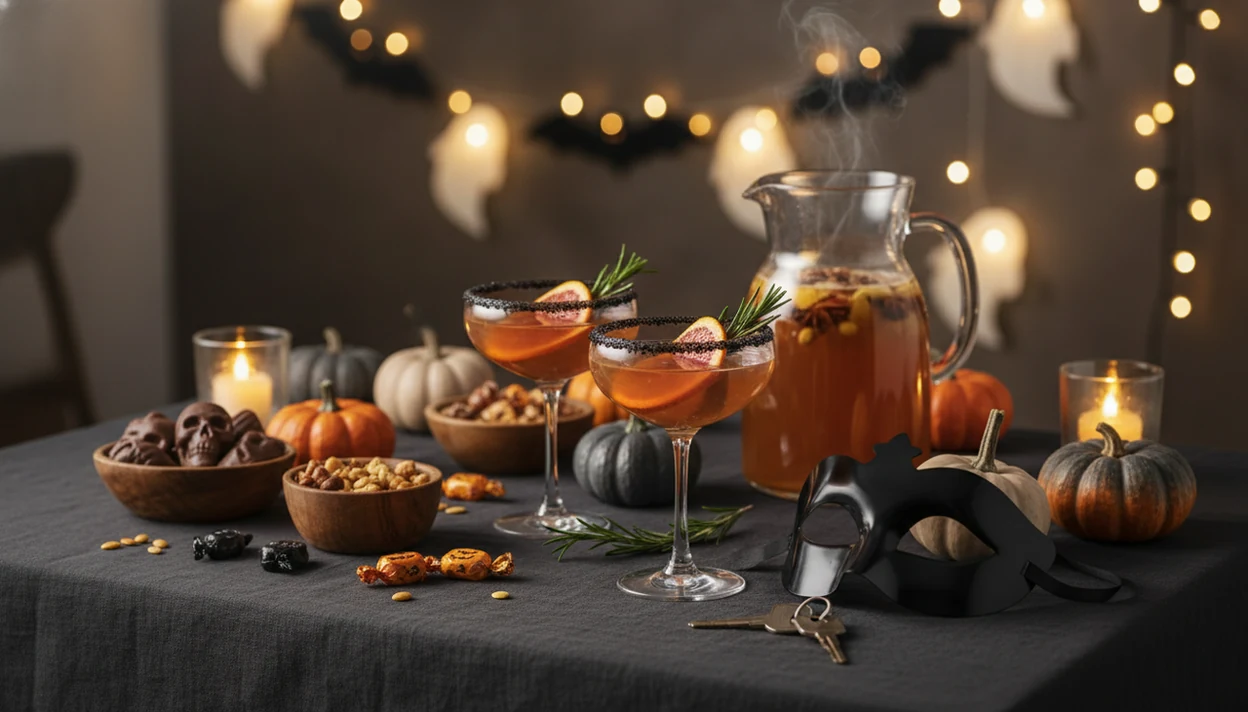
You can enjoy halloween without drinking by planning your night around costumes, games, food, scares, and a clear exit strategy instead of alcohol. The simplest approach is to decide your alcohol boundary before the event, bring or serve satisfying non-alcoholic drinks, and line up support for cravings or social pressure.
> Definition: Halloween without drinking means celebrating Halloween with costumes, parties, haunted houses, movies, candy, and social plans while alcohol is optional or absent rather than the center of the night.
- Set your drinking boundary before Halloween night: alcohol-free, one-drink limit, early exit, or sober event only.
- Make the fun concrete with costumes, games, mocktails, haunted attractions, movie marathons, and food challenges.
- Use a safety plan for cravings, drink offers, transportation, and next-day momentum into the holiday season.
Alcohol-Free Halloween Night Plan at a Glance
Quick answer: Halloween without drinking is often easier when you make the alcohol decision before the party, not during it. Plan a satisfying non-alcoholic drink, a short refusal line, a reason to leave, and one person you can text if cravings or pressure show up.
Key takeaways
- Choose your drinking limit or no-alcohol plan before the event starts.
- Bring a non-alcoholic drink you actually enjoy so your hands are occupied.
- Use one short refusal script instead of explaining your whole decision.
- Eat before you go; hunger can make cravings and impulsive choices harder.
- Leave early if the party becomes mostly about drinking.
- If you drink daily or heavily, ask a clinician before stopping suddenly.
An alcohol-free Halloween plan works when the night has a real structure, not just a vague promise to “be good.” The goal is to enjoy Halloween without making alcohol the main event.
NHTSA reported that in 2021, 38% of fatal motor vehicle crashes on Halloween night involved at least one alcohol-impaired driver, and 159 people were killed in drunk-driving crashes on Halloween nights from 2017 to 2021 nhtsa. That makes ride planning part of the celebration, not an afterthought.
| Plan area | Practical choice |
|---|---|
| Party plan | Choose one event with games, food, costumes, or a movie focus. |
| Drink plan | Bring cider, seltzer, punch, or a pre-decided one-drink limit. |
| Pressure plan | Use one refusal line before anyone offers. |
| Ride plan | Arrange a sober ride, rideshare, or separate transportation. |
| Next-day plan | Schedule breakfast, a walk, or errands before noon. |
The morning plan matters: put breakfast, a walk, or an errand on your calendar before you leave, so the night has a real stopping point.
Before You Start: Decide Whether Halloween Is Safe This Year
Halloween is safe to plan only if your alcohol boundary feels realistic, your body is stable, and you can leave without negotiation. If cravings are already intense, withdrawal is possible, or past Halloween nights have included unsafe behavior, the best plan may be a smaller night or no event at all.
- Check your risk level: Notice whether you are dealing with strong cravings, shakes, sweating, panic, blackouts, aggressive behavior, risky driving, or feeling unable to stop once you start.
- Choose your lane: Pick alcohol-free if drinking feels risky, mindful drinking only if limits are reliable, or skipping the event if the setting is too loaded.
- Set your basics: Eat before you go, bring or identify alcohol-free drinks, charge your phone, and confirm a ride that does not depend on someone else’s drinking.
- Name your support: Choose one person you can text or call, and decide the exact words you will use if you need to leave.
- Replace party planning with help when needed: Seek professional or emergency support if withdrawal symptoms, thoughts of self-harm, violence, unsafe driving, or loss of control are part of the picture.
Adult Halloween Drinking Triggers and Party Pressure
Adult Halloween drinking triggers are cues that make alcohol feel expected, such as costumes, crowded bars, themed cocktails, late parties, and drinking games. They do not mean someone lacks willpower.
A vampire punch bowl beside the door can become a cue before anyone speaks. So can a lighter offered across bar stools, especially for people who pair drinking with smoking or vaping. Halloween often stacks several cues at once: novelty, music, social performance, and the feeling that “everyone is doing it.”
That pressure can feel awkward even for adults who usually feel steady. It also shows up for different reasons. Some people are sober. Some are cutting back. Some just want to avoid a hangover and the long next day described in guides on hangover recovery time.
Planning ahead is not overreacting. For many people, it is the difference between choosing a night and being pulled through one.
How Halloween Without Drinking Works
Halloween without drinking works by changing the habit loop before the night starts. The cue is the party, costume, bar, punch bowl, or late-night buzz; the craving is the pull to join in; the response is the action you choose; and the reward is getting home clear, safe, and still part of the celebration.
Pre-deciding your boundary lowers decision load, which is the mental effort of making choices under pressure. If the answer is already “not tonight,” “one drink,” or “I leave when shots start,” you are not rebuilding the plan every time someone offers a cup. Food, sleep, transportation, and support all make that plan easier to keep: eating steadies the body, rest reduces impulsive choices, your own ride protects the exit, and a textable person keeps the night from becoming private combat. Planning does not guarantee control, especially when cravings, withdrawal, or past loss of control are present. It simply reduces the number of risky moments you have to handle cold.
Halloween Party Pressure, Cravings, and Decision Fatigue
Halloween party pressure works through habit loops: a cue appears, the brain expects a reward, and the old response becomes easier to repeat. In plain terms, the room starts making decisions for you.
Environmental cues, social norms, novelty, late nights, and lowered inhibition all increase the chance of drinking. A gas station counter beside menthol packs can also restart a paired habit before the party even begins. Pre-decisions reduce decision fatigue because you are not renegotiating every offer, toast, or refill. The National Institute on Alcohol Abuse and Alcoholism describes alcohol-related cues as triggers that can activate craving and return-to-drinking risk: NIAAA alcohol data.
For adults changing alcohol use, the most reliable Halloween plan is a pre-decided boundary plus a fast response for cravings. Hold a non-alcoholic drink, change rooms, text support, or leave before the craving becomes the night’s main event.
Tools like Me Quit can help adults log cravings, streaks, and milestones privately. A useful entry is specific: 10:40 p.m., party kitchen, intensity 7, response was leaving for air.
6-Step Halloween Without Drinking Plan
Use this plan before you leave the house, when choices are easier and the costume is not already competing with loud music.
- Set your boundary: Choose alcohol-free, a one-drink limit, an early exit, or sober event only.
- Choose the right event: Pick a movie night, haunted house, dinner, or party with people who respect limits.
- Bring your drink: Pack sparkling water, cider, canned mocktails, or a measured drink if you are practicing mindful drinking.
- Prepare your refusal line: Say, “I’m good with this,” “I’m driving,” or “Not tonight.”
- Arrange transport: Use separate transportation, a rideshare, or a sober friend so leaving is simple.
- Check in after: Note what worked, what felt risky, and what you will repeat for the next holiday.
For people who recognize patterns beyond one event, what is gray area drinking can help name the middle ground.
Sober Halloween Party Tips for Hosts
A sober Halloween party works better when the invitation is clear and the entertainment is strong. Guests should not have to guess whether “bring whatever” means BYOB.
Invitation wording for an alcohol-free Halloween
Try: “Alcohol-free Halloween party, costumes encouraged, snacks and spooky drinks provided.” Invite people who will not treat the boundary as a debate. Avoid vague BYOB language, because one guest arriving with a cooler can reset the whole room.
Adult Halloween games without alcohol
Use named anchors for the night: costume contest, murder mystery, pumpkin carving, spooky trivia, blind candy taste-test, playlist voting, photo booth, and themed food. Serve punch, cider, mocktails, sparkling water, coffee, tea, or hot chocolate.
A host who fills the first hour with something to do reduces the “standing around with cups” problem. The playlist starts. People stop scanning the table.
Drink Refusal Scripts for Halloween Parties
How to avoid drinking at Halloween parties: decide your answer before the offer, keep a non-alcoholic drink in hand, and leave before pressure turns into negotiation.
Short scripts work because they do not invite a long discussion:
- “I’m good with this.”
- “Not drinking tonight.”
- “I’m driving.”
- “I have an early morning.”
- “No thanks, but I’ll take a seltzer.”
Arrive late if the first hour is usually drink-heavy. Leave early if the room shifts into shots or drinking games. A sober buddy can sit across the room and still be useful with one text.
Non-alcoholic beer or virgin versions may help some people, but they can trigger others in early recovery. If the taste, glass, or ritual feels too close, choose something different.
Separate transportation is a coping tool.
Common Mistakes When Trying Halloween Without Drinking
The most common mistakes are treating Halloween like a willpower test and showing up underprepared. A better plan removes predictable pressure before the party starts.
- Feed and hydrate yourself first: Do not arrive hungry, thirsty, exhausted, or empty-handed. Eat something real, drink water, and bring a non-alcoholic option you actually want to hold.
- Plan your exit before your mood changes: Do not rely on “I’ll figure it out later.” Use your own car, a rideshare budget, or a confirmed sober ride so leaving does not require permission.
- Choose drinks that feel clearly different: Skip mocktails, non-alcoholic beer, or fancy glasses if they copy the taste, smell, or ritual of old drinking patterns too closely.
- Keep refusals short: Long explanations can make other people think the topic is open for debate. “Not tonight” or “I’m good with this” is enough.
- Leave when the room changes: If shots, drinking games, repeated offers, or loud pressure become the focus, the plan is working when you go home early.
10 Alcohol-Free Halloween Ideas for Adults
Alcohol-free Halloween can be a full celebration, not a reduced version of the holiday. The strongest plans give adults something to anticipate besides a drink.
- Haunted houses and escape rooms create adrenaline without relying on alcohol.
- Horror movie marathons, board games, and bonfires work well for people who want a lower-key night.
- Costume walks, pumpkin carving, and trick-or-treat hosting keep the night social but structured.
- Candy tasting, themed food boards, and blind flavor games give guests something to hold and discuss.
- Volunteering at a school event, neighborhood table, or community haunt can make Halloween feel useful.
For some people, hunger and thirst can mimic or intensify cravings; the pattern is covered in hunger thirst alcohol cravings. Eat before the party. It sounds basic because it is.
Mindful Drinking Strategies for Halloween Night
Mindful drinking at Halloween means setting limits before the night starts and using guardrails that reduce impulsive drinking. It may help some adults, but it is not a substitute for treatment when alcohol use feels uncontrollable.
Use a preset drink limit. Avoid shots. Alternate with water. Eat first. Time-box the event. Skip drinking games, because they are designed to override pacing. Track drinks in real time, not tomorrow.
Next-day regret prevention is part of the plan: arrange a safe ride home, avoid drunk texting, charge your phone, and set a morning commitment that you actually want to keep. Lime sinking in club soda can be enough of a ritual for some people; others need a clearer alcohol-free line.
Me Quit offers a practical app path for adults who want to drink less and track cravings, streaks, and milestones. For broader context, the alcohol reduction guides explain related craving and recovery topics.
Support Plan for Halloween Cravings and Holiday Momentum
A Halloween support plan should cover the party, the ride home, and the next holiday trigger. Halloween can start momentum toward heavier drinking during Thanksgiving, December parties, and New Year’s Eve.
Use sober buddies, accountability texts, online meetings, recovery communities, and helpline or crisis resources when appropriate. If alcohol is paired with nicotine, plan for both. The tongue craving mint vapor or the fruit flavor smell in a hoodie can arrive right when someone is also refusing a drink.
For private tracking, use one simple log after the event: time, place, craving intensity, what you did, and whether the plan needs changing. Apps and trackers can support reset planning, but they are not diagnosis, detox, emergency care, or a substitute for a clinician.
Clinicians typically recommend professional support when alcohol withdrawal, unsafe behavior, or loss of control is present.
Limitations
These strategies reduce risk, but they do not remove every risk. Halloween is still a high-cue night.
- A mild hangover after two extra drinks is different from alcohol withdrawal symptoms that need medical attention.
- MedlinePlus notes alcohol withdrawal can include tremors, sweating, anxiety, nausea, seizures, or delirium tremens and may require medical care: medlineplus.
- Seek professional or emergency help if you feel unsafe, at risk of withdrawal, or unable to stop drinking.
If food feels difficult after drinking, foods for alcohol recovery may help with general education.
FAQ
Is Halloween fun without alcohol?
Yes. Costumes, games, haunted houses, food, scary movies, and social plans can make Halloween enjoyable without drinking.
How do I refuse Halloween drinks?
Use short lines such as “No thanks,” “I’m driving,” “Not tonight,” or “I’m good with this.” You do not need to explain your alcohol choice.
What can I drink instead of alcohol on Halloween?
Good options include mocktails, cider, punch, sparkling water, coffee, tea, hot chocolate, or a seasonal alcohol-free drink. Choose something you actually like.
Are mocktails safe in recovery?
Mocktails help some people feel included, but they can trigger others if they resemble old drinks. Early recovery may call for simpler options like seltzer, tea, or cider.
Should I skip Halloween parties if I am not drinking?
Skip a party if cravings are high, support is weak, or transportation is uncertain. Attend if the setting, people, and exit plan support your boundary.
How do I host a sober Halloween party?
Set the alcohol-free expectation on the invitation, invite supportive guests, and plan strong entertainment. Offer festive drinks and food so alcohol does not feel like the missing activity.
Can I just drink less on Halloween?
Yes, if you can reliably follow limits. Use a preset drink cap, avoid shots, eat first, alternate with water, and leave before drinking games start.
What should I do if I relapse on Halloween?
Prioritize safety, stop drinking for the night if you can, and contact support. The next step is a non-shaming reset, not waiting for the next holiday to change the plan.