

The Best Foods to Eat While Recovering From Alcohol
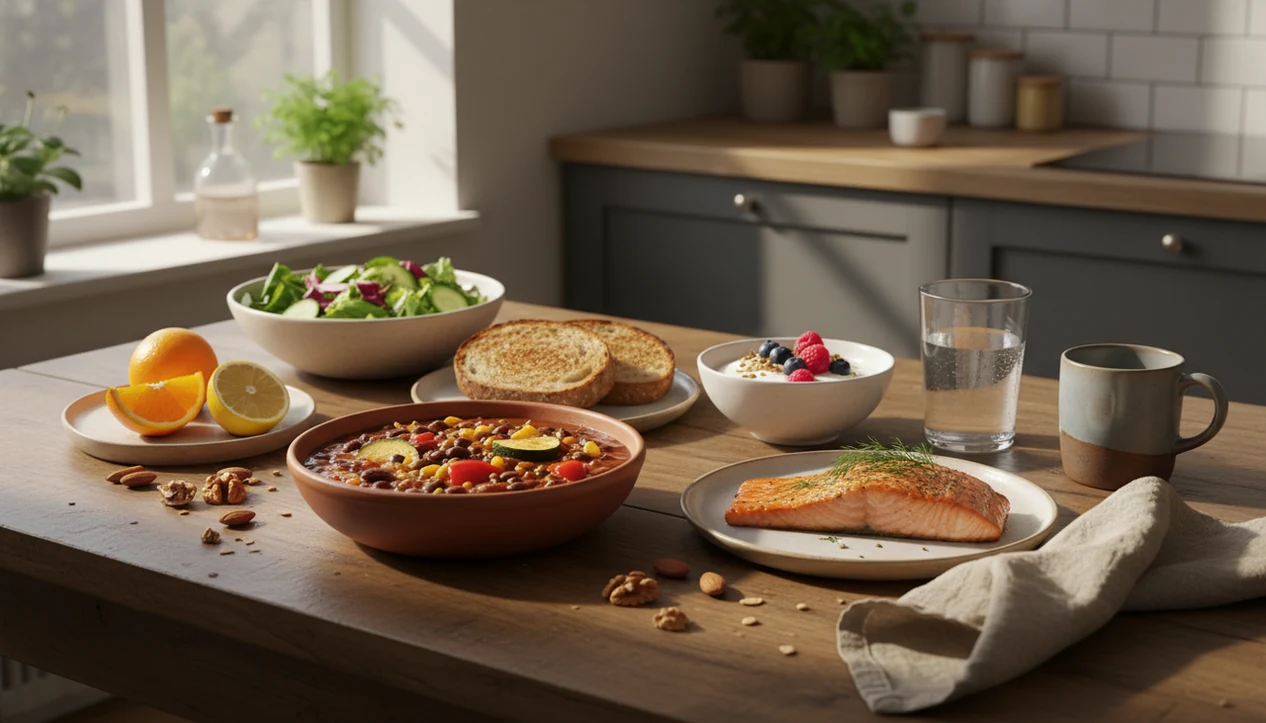
The short version
The best foods for alcohol recovery combine protein, fiber-rich carbohydrates, produce, healthy fats, and fluids. Good options include eggs, beans, fish, yogurt, oats, brown rice, potatoes, fruit, vegetables, nuts, and soup. Regular meals can steady energy and replace affected nutrients, but food cannot prevent or safely treat alcohol withdrawal.
Early recovery can make food feel more complicated than it needs to be. Appetite may be low, sweets may sound unusually appealing, and the usual drinking hour can arrive before dinner is ready. A repeatable meal is more useful than a cleanse, restrictive diet, or expensive supplement.
Start with foods you can tolerate and prepare easily. Eggs and toast, yogurt with oats, bean chili, fish with potatoes, or soup with crackers all provide more useful support than waiting for a perfect meal. If drinking has been heavy or daily, make a medical safety plan before sharply reducing alcohol.
Check withdrawal risk before changing your diet
Before changing heavy or daily drinking, check safety first and set up food before cravings arrive. Meal prep helps, but withdrawal risk, medical conditions, and trouble eating need a real contact plan.
- Assess withdrawal risk before you cut back. If you drink heavily every day, wake up needing alcohol, have had shakes, seizures, hallucinations, confusion, or past detox, talk with a clinician before making a big change.
- Name conditions that change the plan. Liver disease, diabetes, kidney or heart problems, high blood pressure, pregnancy, eating disorders, vomiting, diarrhea, GI disease, and medication use can alter nutrition, salt, fluid, or supplement advice.
- Stock three easy protein-and-carb meals. Keep options like eggs and toast, yogurt with oats and berries, bean chili, tuna with crackers, or tofu and rice ready before the usual craving window.
- Choose fluids early. Put water, soup, herbal tea, fruit, yogurt, or electrolyte foods in reach before dry mouth, sweating, or shakiness starts.
- Decide who to contact. Save a clinician, trusted person, urgent care, or emergency number if symptoms escalate or eating and drinking become difficult.
A manageable food plan for the first week
If appetite is poor, smaller meals and snacks may be easier than three large plates. NHS guidance for people who use alcohol recommends regular meals and thiamine-containing foods. A practical schedule is to eat within a few hours of waking, then have something every 3 to 4 hours while awake.
- Breakfast: oatmeal with yogurt and fruit, or eggs with fortified toast.
- Lunch: bean soup with rice, or tuna with crackers and vegetables.
- Snack: a banana with nuts, yogurt with berries, or hummus with whole-grain crackers.
- Dinner: fish with potatoes and vegetables, tofu with rice, or bean chili.
- Fluids: drink water regularly and add soup or an oral rehydration product if vomiting or diarrhea has caused fluid loss.
Prepare one protein, one carbohydrate, and one easy snack before the time you usually drink. Repetition is fine during the first week.

Best foods to eat after quitting alcohol
The best foods to eat after quitting alcohol are food groups that support blood sugar, gut comfort, protein repair, brain health, and hydration. No food cures cravings, withdrawal, liver disease, or addiction, but the right plate can make the next choice easier.
| Food group | Examples | Recovery support |
|---|---|---|
| Lean proteins | Eggs, Greek yogurt, beans, tofu, chicken, fish | Tissue repair, steadier appetite, neurotransmitter building blocks |
| Complex carbohydrates | Oats, brown rice, quinoa, potatoes, whole-grain toast | More stable glucose and energy |
| Fruits and vegetables | Leafy greens, berries, bananas, broccoli, citrus | Fiber, folate, potassium, antioxidants |
| Healthy fats | Salmon, avocado, olive oil, nuts, seeds | Brain support and meal satisfaction |
| Fermented foods | Yogurt, kefir, sauerkraut, kimchi | Gut microbiome support |
| Fluids | Water, soups, herbal tea, electrolyte foods | Hydration and dry-mouth support |
Practical meals include oatmeal with nuts, eggs with whole-grain toast, salmon with vegetables, bean chili, or yogurt with berries. If evenings are the hardest window, the trigger pattern is covered more deeply in evening alcohol cravings.
Build meals around the hours cravings usually hit
Use foods for alcohol recovery by planning regular meals before the craving window hits. The weeknight pour after laptop shutdown is easier to interrupt when dinner is already half-decided.
- Start breakfast with protein. Choose eggs with whole-grain toast, Greek yogurt with berries, or oatmeal with nuts.
- Pack a balanced snack. Pair fruit with yogurt, hummus with crackers, or nuts with a banana to prevent long gaps.
- Build lunch around protein plus complex carbs. Try bean soup with brown rice, chicken with quinoa, or tofu with vegetables.
- Plan dinner before the evening trigger. Keep salmon with vegetables, chili, or a loaded salad ready for the time cravings usually rise.
- Hydrate on purpose. Put water, herbal tea, or sparkling water where the drink usually sits.
- Log the pattern. Note the time, hunger level, meal, and trigger when a craving appears so you can plan food before the same window tomorrow.
For people cutting back, planned meals are often easier than relying on motivation because they remove one decision point when cravings are loud.
How regular meals support physical recovery
Nutrition for alcohol recovery works by restoring steady fuel, repairing tissues, supporting the gut lining, and replacing nutrients that heavy drinking can disrupt. Alcohol can reduce appetite quality, irritate the digestive tract, disturb sleep, and increase losses of key vitamins and minerals.
Common concerns include thiamine, other B vitamins, folate, and magnesium. Heavy drinkers frequently have thiamine deficiency risk, and thiamine deficiency is tied to serious neurologic complications such as Wernicke encephalopathy, according to StatPearls the NIH. Heavy drinking, past withdrawal, or possible withdrawal symptoms call for a medical assessment before a major reduction.
Protein helps the body rebuild tissue and make neurotransmitters. Complex carbohydrates slow glucose swings, which can make cravings feel less urgent. Fiber feeds gut bacteria and supports bowel regularity. Fats from fish, nuts, seeds, and olive oil help the brain and make meals more filling.
For most adults cutting back, the most common medically supported nutrition approach is regular balanced meals combined with hydration and appropriate clinical care when withdrawal risk is present.
Get medical advice before sharply reducing alcohol if you drink heavily every day, need alcohol after waking, or have had withdrawal symptoms before. Seizures, hallucinations, confusion, severe tremor, vomiting that prevents fluids, yellow skin or eyes, or vomiting blood require urgent medical care.
Thiamine deserves special attention
Alcohol dependence can reduce thiamine intake and interfere with absorption. Thiamine, also called vitamin B1, supports brain and nerve function. Food sources include fortified cereal and bread, pork, fish, brown rice, beans, peas, eggs, nuts, seeds, and other legumes. The NIH thiamine evidence summary notes that research has not established one ideal treatment dose or schedule for alcohol-related neurologic risk.
Food alone may not correct a serious deficiency. A clinician may prescribe thiamine based on drinking history, diet, symptoms, and withdrawal risk. Do not assume a multivitamin makes home detox safe. Supplements cannot prevent every seizure, episode of delirium, or other dangerous withdrawal complication.
- Ask about thiamine if drinking has been heavy, meals have been scarce, or substantial weight loss has occurred.
- Take prescribed thiamine as directed rather than changing the dose yourself.
- Treat confusion, unsteady walking, unusual eye movements, or marked memory problems as emergencies.
Sugar, caffeine, and foods that may make recovery harder
What foods and drinks should you limit during alcohol recovery? Limit patterns that worsen blood sugar swings, anxiety, poor sleep, or low energy: sugary drinks, frequent candy, greasy ultra-processed meals, very salty snacks, and excess caffeine.
This is not a purity test. A cookie after dinner is not a lapse, and a frozen pizza does not erase progress. The issue is using sugar or caffeine all day, then feeling shaky, irritable, and wired at 6 p.m. That body state can sound a lot like an alcohol craving.
Try replacement actions that still feel easy. Fruit with Greek yogurt gives sweetness plus protein. Nuts add fat and crunch. Soup brings salt, fluid, and comfort. Sparkling water works for the hand-to-mouth ritual without alcohol. Herbal tea can mark the end of the night when the beer fridge hum during dinner prep used to pull attention.
Food support vs liver, brain, and gut healing
Drinking less can support better sleep, steadier mood, improved digestion, lower alcohol-related cancer risk, and more stable energy over time. Food supports those benefits by giving the liver, brain, gut, and muscles the raw materials they need.
A 2021 Lancet Oncology study linked alcohol consumption to an estimated 741,300 new cancer cases globally in 2020, including a share attributed to light-to-moderate drinking thelancet. Cancer risk reflects alcohol exposure over time, not a claim that a single drink will cause cancer. It means alcohol reduction is one practical lever for long-term risk reduction.
The liver can improve after alcohol reduction, but nutrition should not be framed as a guaranteed liver reset. Liver scarring, hepatitis, fatty liver disease, and medication issues need clinician guidance. Clearer mornings and fewer afternoon energy crashes may appear before slower changes in digestion, nutrient status, or liver health. Deeper body healing after alcohol often takes weeks to months.
For a wider look at sleep, focus, and mood changes, the alcohol reduction guides organize the main body systems involved.
Skip the detoxes and other common food traps
Shortcuts such as skipped meals, juice cleanses, and unprescribed supplements can create new problems without treating alcohol-related harm. They feel helpful for a day, then make cravings or energy worse later.
- The miracle detox search: Juice cleanses and “liver flush” foods do not repair alcohol-related harm overnight. Consistency does more.
- The skipped-meal trap: Missing breakfast or lunch can lead to sugar cravings, irritability, or alcohol urges by late afternoon.
- The constant-sweets swap: Dessert is fine, but replacing every drink with candy or energy drinks can keep the blood sugar roller coaster going.
- The supplement gamble: Vitamins, herbs, and powders can interact with medications or medical conditions, especially liver disease.
- The safety assumption: Healthy eating does not remove the need for withdrawal care when dependence is present.
Someone restarting after a slip may think, “I already messed up, so why not keep going?” A meal, water, and a streak repair plan can slow that thought down.
Signs your eating pattern is helping
You can tell an alcohol recovery diet is helping when daily function gets steadier, even if progress is uneven. Track fewer energy crashes, steadier appetite, improved digestion, better sleep, fewer intense cravings, and clearer mornings.
Do not expect a straight line. One night of poor sleep or a strong craving after a stressful meeting does not mean the plan failed. It means the trigger map needs another note. A notebook or basic drink tracker can record alcohol-free days, cravings, meals, sleep, and mood without turning every detail into a score.
Get medical help quickly for severe withdrawal symptoms, confusion, seizures, hallucinations, worsening depression, jaundice, vomiting blood, or inability to eat or drink. Nutrition is support, not emergency care.
Food and alcohol recovery questions
What should I eat after quitting alcohol?
Start with simple meals containing protein and carbohydrates, such as eggs with toast, yogurt with oats, beans with rice, or fish with potatoes. Add fruit or vegetables and drink water regularly. If your appetite is poor, use smaller meals or snacks every 3 to 4 hours instead of forcing a large plate.
What foods can help with alcohol cravings?
No food switches off an alcohol craving, but regular meals may prevent hunger and blood sugar swings from adding to it. Pair protein with a fiber-rich carbohydrate, such as yogurt with fruit, nuts with a banana, hummus with crackers, or beans with brown rice. Plan the snack before your usual craving time.
Are bananas good for alcohol recovery?
Bananas are easy to eat and provide carbohydrates, fiber, and potassium, but they are not a detox treatment. Pair one with yogurt, nuts, peanut butter, or another protein source for a more filling snack. Persistent weakness, vomiting, confusion, or dehydration needs medical assessment rather than more bananas.
Which vitamins can heavy alcohol use affect?
Heavy, prolonged alcohol use can affect thiamine and other B vitamins, folate, vitamins A and D, magnesium, and zinc. The exact problem varies with diet, absorption, liver health, and drinking pattern. Weight loss, anemia, numbness, persistent diarrhea, or a very restricted diet are reasons to ask for a clinical assessment.
Is coffee bad after quitting alcohol?
Coffee is not automatically off-limits, but excess caffeine can worsen shakiness, anxiety, stomach upset, and poor sleep for some people. Avoid using coffee or energy drinks in place of meals and fluids. If you feel wired or sleep poorly, reduce the amount or stop earlier in the day.
Can food help with alcohol withdrawal?
Food can support hydration, energy, and nutrient intake, but it cannot make withdrawal safe. People who drink heavily every day or have a history of seizures, hallucinations, severe shaking, confusion, or previous detox should contact a clinician before stopping suddenly. Severe symptoms require emergency care.
Should I take thiamine or a multivitamin after quitting alcohol?
Some people need prescribed thiamine, especially after heavy drinking, poor food intake, weight loss, or withdrawal. The right dose and form depend on clinical risk, and serious deficiency may require hospital treatment. Ask a clinician or pharmacist before starting supplements, particularly with liver disease, kidney disease, pregnancy, or regular medications.
How long should I follow an alcohol recovery diet?
There is no fixed endpoint because a balanced eating pattern can remain useful long term. Appetite, sleep, digestion, and energy may change at different rates. Focus first on regular meals, fluids, and tolerable foods. Ongoing weight loss, jaundice, persistent diarrhea, numbness, or trouble eating should be medically assessed.