How Alcohol Disrupts GABA and Fuels Cravings
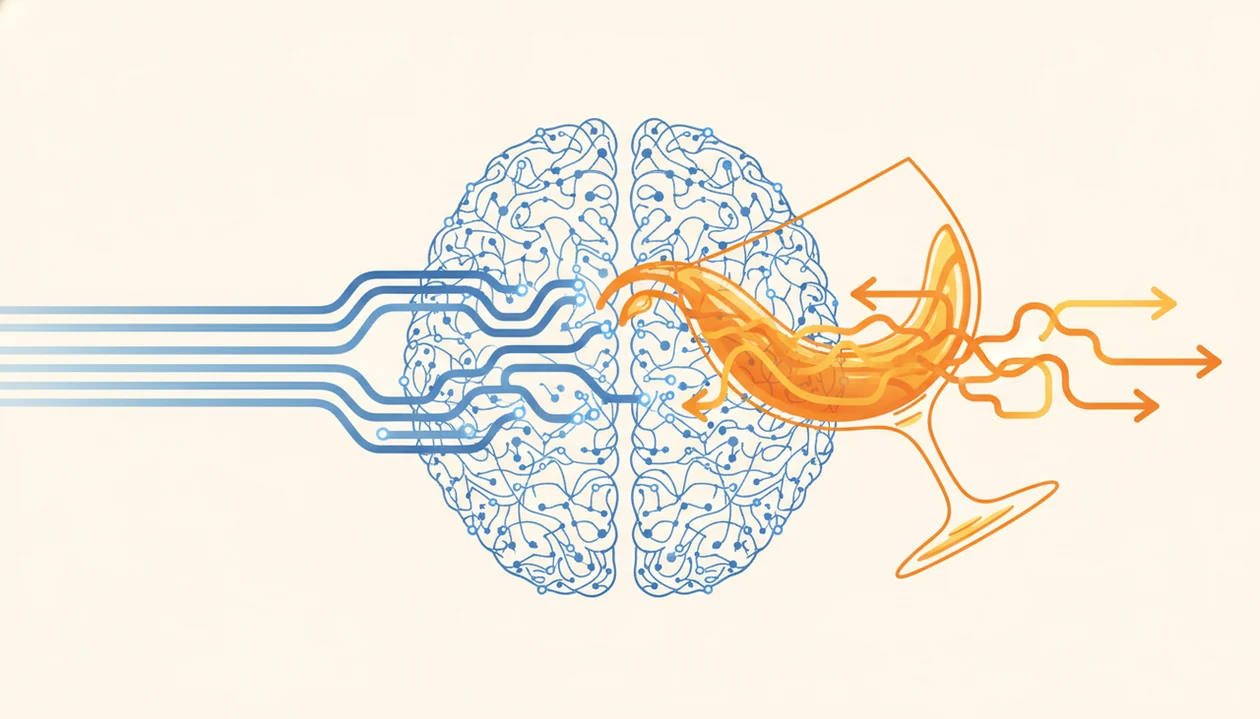
Alcohol can temporarily amplify GABA’s calming effects, but repeated drinking can weaken the brain’s natural ability to feel calm without alcohol, which is why gaba alcohol cravings often show up with anxiety, restlessness, and poor sleep.
Definition: GABA, or gamma-aminobutyric acid, is the brain’s main inhibitory neurotransmitter, meaning it helps slow overactivity and support calm, sleep, and stress regulation.
TL;DR
- Alcohol affects GABA by acting like a chemical shortcut to calm, especially through GABA-A receptors.
- With frequent drinking, the brain adapts, so less alcohol can mean more anxiety, insomnia, irritability, and cravings.
- GABA recovery after alcohol usually needs time, sleep, lower stress, medical support when needed, and practical craving tracking rather than relying on GABA supplements alone.
GABA and alcohol cravings at a glance
Quick answer: Alcohol can feel calming because it interacts with GABA-related brain signaling, but repeated drinking may make natural calm harder to access for many people. As the brain readjusts, cravings often overlap with anxiety, irritability, sleep disruption, and a strong urge to drink for relief.
Key takeaways
- Cravings after cutting back are often partly physical, not just a lack of willpower.
- Anxiety after drinking can be a rebound effect as calming brain systems readjust.
- Sleep, meals, hydration, and low-stress routines may reduce craving intensity over time.
- Sudden alcohol reduction can be medically risky for heavy or daily drinkers.
- Tracking time, trigger, mood, and urge strength can reveal patterns you can plan around.
- Medication questions should be handled with a clinician, especially if withdrawal is possible.
Alcohol temporarily enhances GABA signaling, but repeated drinking can dysregulate that system and make calm feel harder to reach without another drink. When alcohol wears off, anxiety, insomnia, restless muscles, and cravings can arrive together.
That cycle is one reason the “one drink to settle down” habit can become sticky. A Friday 6 p.m. drink may make a cigarette, vape, or second pour feel automatic before you even think it through.
Alcohol cravings are not only a GABA issue. Glutamate, dopamine, stress hormones, learned habits, social cues, and environment all matter. In 2022, the NIAAA estimated that 28.8 million U.S. adults had alcohol use disorder, so this is a common brain-and-behavior pattern, not a private character flaw (source: https://www.niaaa.nih.gov/publications/brochures-and-fact-sheets/alcohol-facts-and-statistics).
Small data helps. Guessing usually doesn’t.
Before you start: check alcohol withdrawal risk
If you drink heavily every day, do not stop suddenly without medical advice. Withdrawal can become dangerous, and craving tracking is only for behavior insight, not for diagnosing withdrawal or deciding whether detox is safe.
- Check your pattern before cutting down, especially if mornings, work breaks, or bedtime have started to revolve around alcohol.
- Call a clinician before tapering if you are unsure about your risk, have had withdrawal symptoms before, take sedatives, or have other health conditions.
- Watch for red flags such as seizures, confusion, hallucinations, severe tremor, or symptoms that keep getting worse instead of settling.
- Use urgent care or emergency services if those red flags appear, if you feel unsafe, or if someone near you seems disoriented, shaking severely, or hard to wake.
- Track only what tracking can show: timing, triggers, anxiety, sleep, and cravings. Those notes can help a clinician, but they cannot replace medical assessment.
Getting support first is not overreacting. It is the safer starting line.
Five facts about alcohol and GABA receptors
- GABA is the brain’s main inhibitory neurotransmitter. In plain terms, it helps slow brain activity when the nervous system is too activated.
- Alcohol positively modulates GABA-A receptors. That short-term effect can feel relaxing, sleepy, warm, or socially easier.
- Frequent alcohol use can trigger compensation. The brain may reduce sensitivity to alcohol-enhanced calm and increase excitatory activity to balance the sedation.
- Withdrawal and early sobriety can feel wired. Anxiety, insomnia, agitation, sweating, tremor, irritability, and cravings can happen as GABA and glutamate rebalance.
- GABA pills are not proven craving fixes. Oral GABA supplements have limited evidence for alcohol cravings, while some prescription medicines have trial evidence in selected patients under clinician care.
The body keeps score quietly. The headache behind the eyes at dusk is often a cue, not just a mood.
How the GABA alcohol craving cycle works
The GABA alcohol craving cycle works like a brake-and-accelerator problem: GABA is the brake, glutamate is the accelerator, and alcohol pushes the brake harder for a short time.
During acute drinking, alcohol increases inhibitory tone, especially through GABA-A receptor activity. That can create sedation, relief, and the feeling that the nervous system finally stopped buzzing. Reviews of alcohol neurobiology describe acute alcohol as enhancing GABAergic inhibition, while repeated exposure can contribute to compensatory changes in inhibitory and excitatory signaling involved in dependence and withdrawal (source: https://pmc.ncbi.nlm.nih.gov/articles/PMC6826820/).
With repeated drinking, the brain adapts. It may turn down sensitivity to alcohol-enhanced calm and increase excitatory counterbalance. Then, when alcohol levels fall, the accelerator can feel stuck on.
For many people, the brain learns one fast answer: drink again. That is why alcohol cravings and anxiety can arrive as one package, especially in the evening or after stress. The pattern behind evening alcohol cravings often includes both biology and routine.
How to track alcohol cravings and anxiety while GABA recovers
Use tracking to make cravings observable instead of mysterious. The goal is not to diagnose your brain chemistry; it is to spot the craving window before it runs the evening.
- Record drink timing each day, including first drink, last drink, and whether the last drink was marked on your phone.
- Rate craving intensity from 0 to 10 when the urge appears, not two hours later.
- Log anxiety level with the same 0 to 10 scale, plus body signs like sweating, tremor, nausea, or a racing heart.
- Track sleep by noting bedtime, wake time, night waking, and whether alcohol was used to fall asleep.
- Name triggers such as work stress, payday, loneliness, pub exits, or a sticky bar table under your fingertips.
- Choose a coping action before the next craving, such as a walk, food, a call, breathing, or delaying the drink by 20 minutes.
Tools like Me Quit can support private tracking of cravings, streaks, milestones, smoking, vaping, and alcohol reduction without diagnosing the user. Seek medical help before cutting down if you drink heavily every day, have had seizures, feel confused, or notice severe withdrawal symptoms.
Alcohol cravings and anxiety during GABA recovery after alcohol
Why do I feel anxious after I stop drinking? Anxiety can rise because GABA and glutamate are trying to rebalance after alcohol has been acting as a chemical shortcut to calm.
That rebalancing can take days, weeks, or longer. The timeline depends on drinking pattern, sleep debt, stress, health history, medications, and whether withdrawal has happened before. Some people describe a post-acute withdrawal phase, where mood, sleep, and cravings improve unevenly rather than all at once.
Withdrawal symptoms are common in alcohol use disorder, and clinical sources list anxiety, insomnia, sweating, tremor, agitation, nausea, and cravings among possible symptoms (source: https://www.ncbi.nlm.nih.gov/books/NBK441882/). Common symptoms include anxiety, restlessness, insomnia, irritability, sweating, tremor, and cravings.
For many people, reducing alcohol gradually with medical guidance is safer than stopping suddenly because withdrawal risk is not always obvious from willpower or motivation.
GABA supplements, gabapentin, baclofen, and alcohol cravings
GABA supplements are not the same as prescription medicines that affect GABA-related systems. Supplements are sold as calm support, but evidence that oral GABA meaningfully changes brain GABA for alcohol cravings is limited.
| Option | What it is | What the evidence suggests | Safety note |
|---|---|---|---|
| Oral GABA supplements | Over-the-counter products | Not proven to stop alcohol cravings or repair alcohol-related GABA changes | Quality and effects vary |
| Gabapentin | Prescription medication | A trial found up to 1,800 mg/day increased complete abstinence to 17% vs 4% with placebo and reduced heavy drinking days | Requires clinician supervision |
| Baclofen | Prescription medication | A trial of 30 to 270 mg/day found abstinence rates of 57% vs 36% with placebo | Dosing and side effects need medical oversight |
| Benzodiazepines | Prescription sedatives | Used in some withdrawal care settings | Can be habit-forming and dangerous with alcohol |
| Non-medication supports | Sleep, food, therapy, tracking, lower-cue routines | Can reduce craving vulnerability | Not a substitute for medical detox |
Clinicians typically recommend medical assessment for moderate or severe withdrawal risk, rather than trying to self-manage symptoms with supplements.
Daily habits that support GABA recovery after alcohol
Daily habits can lower craving vulnerability while the nervous system recalibrates, but they do not “cure” GABA dysfunction or alcohol use disorder. Think support, not magic.
- Consistent sleep: A steady wake time helps reduce the tired-and-wired feeling that often drives evening drinking.
- Exercise: A brisk walk or light workout can discharge stress and interrupt the restless loop before cravings peak.
- Protein-rich meals: Hunger can intensify alcohol cravings, especially when dinner gets delayed after work.
- Breathing or mindfulness practice: Three slow minutes can be enough to avoid arguing with yourself for an hour.
- Lower-cue routines: Change the route home if it passes the shop, bar, or friend group that makes drinking automatic.
MeQuit is a quit smoking app that helps adults stop smoking, stop vaping, drink less, and track cravings, streaks, and milestones. App-based tracking is behavior support, not medical treatment; the wider alcohol reduction guides can help you pair tracking with practical next steps.
Common mistakes about alcohol and GABA claims
Alcohol is not a healthy GABA booster. It can enhance GABA-A receptor activity for a while, but repeated use can leave the nervous system more anxious when alcohol fades.
GABA pills also deserve caution. They may be marketed as calm-in-a-capsule, but they are not proven treatment for alcohol cravings. If a product promises to fix drinking urges by “restoring GABA,” be skeptical.
Anxiety after drinking does not mean you are weak. It often reflects rebound nervous-system activation, poor sleep, stress hormones, and learned cue patterns. Stale smoke on a winter coat or a half-empty bottle in the kitchen can be enough to restart the loop.
GABA recovery does not always happen in a few days. And not all withdrawal should be handled alone, especially after heavy daily drinking.
Me Quit can support private progress tracking and reset prompts, but it does not provide detox supervision, medication management, or emergency care.
Limitations
A GABA-focused explanation is useful, but it has real boundaries.
- Withdrawal can be medically dangerous for some people, especially after heavy daily drinking or previous withdrawal complications.
- Prescription GABAergic drugs require clinician oversight, and some medications can be habit-forming or unsafe with alcohol.
- This article is educational and is not a diagnosis, detox plan, medication recommendation, or substitute for a clinician.
For people cutting back rather than quitting, drink-limit tracking usually works best when it is paired with trigger notes, sleep data, and a reset plan after slips.
FAQ
Does alcohol increase GABA?
Alcohol enhances activity at GABA-A receptors in the short term. It does not safely increase natural GABA function over the long term.
Why does alcohol calm anxiety?
Alcohol can temporarily increase inhibitory signaling through GABA, which may feel calming. Rebound anxiety can follow as alcohol wears off and excitatory systems push back.
Can low GABA cause alcohol cravings?
Dysregulated GABA activity can contribute to alcohol cravings. Cravings also involve glutamate, dopamine, stress hormones, habits, cues, and environment.
How long does it take for GABA to recover after alcohol?
GABA recovery after alcohol may take days, weeks, or months depending on drinking history, withdrawal risk, sleep, stress, and health factors. Persistent or worsening symptoms should be discussed with a clinician.
Do GABA supplements stop alcohol cravings?
GABA supplements are not a proven treatment for alcohol cravings. Evidence is limited, and supplement claims should not replace medical or behavioral support.
Does gabapentin reduce alcohol cravings?
Gabapentin may reduce drinking, cravings, and sleep problems for some people with alcohol use disorder. It should only be used under medical supervision.
Why am I anxious after drinking?
Anxiety after drinking can come from rebound GABA-glutamate imbalance, poor sleep, stress hormones, dehydration, and withdrawal effects. The symptoms can feel worse after heavier or more frequent drinking.
When is alcohol withdrawal dangerous?
Alcohol withdrawal can be dangerous with seizures, confusion, hallucinations, severe tremor, heavy daily drinking, or worsening symptoms. Medical support is important if any red flags are present.