Why Alcohol Cravings Get Stronger in the Evening
Quick answer: Evening alcohol cravings often hit harder because the brain is tired from a full day of decisions while reward, stress, hunger, routine, and cue-based habit circuits become more reactive. The evening alcohol cravings brain pattern is usually not a simple lack of willpower; it is a predictable mix of fatigue, learned timing, dopamine seeking, and relief-seeking.
> Definition: Evening alcohol cravings are time-linked urges to drink that intensify later in the day because the brain has learned to connect alcohol with relief, reward, routine, or the end of daily responsibility.
TL;DR
- Cravings often peak at night because decision fatigue, stress, hunger, and old routines stack together.
- The prefrontal cortex helps with self-control, but it can feel less effective when you are tired or emotionally depleted.
- Evening urges can be about dopamine and pleasure, but they can also be about relief from stress, anxiety, low mood, or withdrawal.
At-a-glance: why alcohol cravings happen at night
Quick answer: Evening alcohol cravings often feel stronger because your brain is lower on energy, more sensitive to stress relief, and surrounded by familiar cues. For many people, the urge is a learned pattern tied to time of day, transition rituals, hunger, fatigue, or the expectation of reward.
Key takeaways
- A craving that appears at the same time each night is often a conditioned habit signal, not proof you need alcohol.
- Eating, hydrating, and lowering stimulation before the usual craving window may reduce intensity for some people.
- Naming the trigger quickly can create a small pause between urge and action.
- A written plan works best when it is made before the evening, not during the strongest urge.
- If you drink heavily or have withdrawal symptoms, ask a clinician before stopping abruptly.
Evening cravings usually come from stacked triggers, not one single cause. By night, decision fatigue, stress, hunger, routine cues, dopamine seeking, and relief seeking can all arrive at the same decision point.
- Decision fatigue: After a day of choosing, resisting, explaining, and working, “not tonight” can feel harder than it did at 9 a.m.
- Stress load: The brain may search for a fast off-switch when the day finally gets quiet.
- Hunger: A low, shaky body can misread “I need food” as “I need a drink.”
- Routine cues: A familiar 6pm drink can become automatic because the brain predicts alcohol from repeated timing.
- Reward and relief: Some cravings are about pleasure; others are about wanting the tight chest, restless legs, or “I need something” feeling to stop.
Not a character flaw. A pattern.
How the evening alcohol cravings brain loop works
The evening alcohol craving loop works when reward circuitry, stress circuitry, and learned cues point toward the same routine: drink, feel different, repeat. There is no single proven “alcohol craving center” in the brain; cravings involve several systems working together.
Alcohol can be positively reinforcing when it brings pleasure, social ease, or a warm reward signal. It can also be negatively reinforcing when it removes discomfort, such as stress, anxiety, boredom, low mood, or withdrawal-like unease. That second part matters. A person may not be chasing fun; they may be trying to get relief.
Habit loops make the pull stronger. If the same glass comes out after dinner, or the same store route happens after work, the cue starts firing before a conscious choice appears. The brain learns cue, routine, reward. For a wider habit view, the alcohol reduction guides cover how cravings, routines, and recovery signals connect over time.
The 6pm alcohol cravings brain pattern after work
“Why do alcohol cravings start around 6pm?” Because 6pm can become a time-locked cue, not because every brain has a built-in drinking clock.
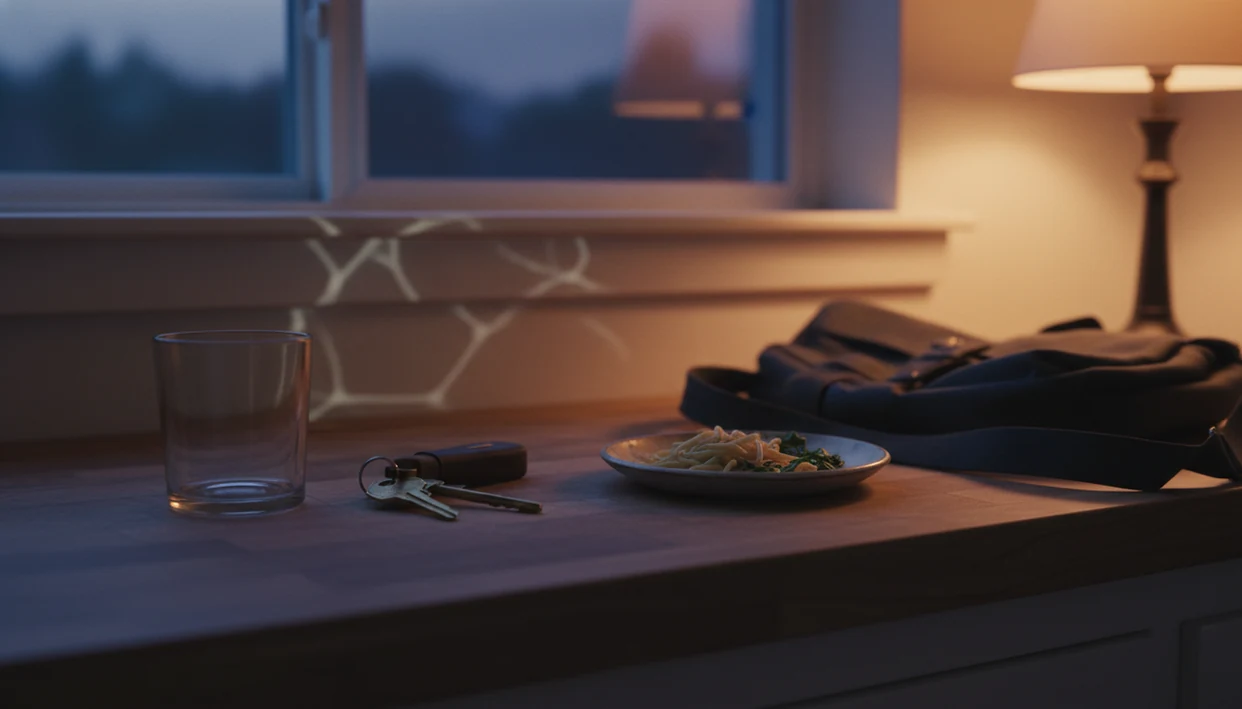
The transition matters. Work is done, responsibilities change shape, and the brain expects a reward or release. The craving may start in the commute, at the kitchen counter, on the couch, near the cabinet with the glassware, or while cooking dinner with the TV already on. The route past the liquor store can become part of the loop too.
Sometimes the urge arrives before the sentence, “I’m going to drink.” That can feel strange. It is not strange to the brain. Repeated evenings teach prediction, and prediction can feel like desire.
The rain-specked windshield during a smoke break has the same kind of cue power. Time, place, body state, next move.
Decision fatigue and alcohol cravings after a long day
Decision fatigue means mental depletion after repeated choices, self-control demands, and small acts of restraint. It is a useful shorthand, not a medical diagnosis and not a complete explanation for drinking.
Research on ego depletion and decision fatigue is mixed, so treat this as a practical description of end-of-day strain rather than a settled brain diagnosis. The useful takeaway is behavioral: reduce the number of alcohol decisions you have to make when you are already tired.
Morning plans can sound clean: “I’ll skip wine tonight.” Evening plans have to survive hunger, inbox residue, family friction, boredom, and the fridge light at 7:12 p.m. That is a different test. The brain is still capable of choosing, but the choice may need more friction removed.
For many people, the plan fails at the vague part. “Drink less” asks the tired brain to negotiate. “Eat dinner first, wait 20 minutes, then decide” gives it a path. Clinicians typically recommend getting extra support before cutting down if withdrawal symptoms, heavy daily drinking, or medical risks may be involved.
Tiny win first. Then the next choice.
Prefrontal cortex alcohol cravings and weakened self-control
The prefrontal cortex is involved in planning, inhibition, future thinking, and choosing long-term goals over immediate rewards. At night, fatigue, stress, poor sleep, and emotional overload can make those skills feel less available.
That does not mean the prefrontal cortex shuts off. It also does not mean biology removes agency. A better way to picture it is speed. The reflective system is slower. It needs a pause, a plan, and less temptation in the room. Reward and habit responses are faster, especially when the cue is familiar.
A phone timer glowing in bed can be a surprisingly useful pause. Not magic. Just a wedge between urge and action.
For people who notice next-day dullness after drinking, day after drinking brain fog may explain why the evening choice can affect tomorrow’s focus.
Dopamine, stress relief, and nighttime alcohol cravings
Alcohol cravings are not always dopamine-only cravings. Alcohol may feel reinforcing because it can create reward, social ease, numbness, or temporary relief from discomfort.
Dopamine helps the brain notice and repeat rewarding experiences. But negative reinforcement is different. That is when the person wants to escape stress, anxiety, low mood, irritability, or withdrawal feelings. The thought may sound like, “I don’t even want to drink; I just want this feeling to stop.”
Emerging animal research adds another clue. A 2025 Scripps Research rat study reported that a withdrawal-learning circuit involving the paraventricular nucleus of the thalamus, or PVT, may help explain why alcohol seeking can persist after pleasure is no longer the main driver (Scripps Research: https://www.scripps.edu/news-and-events/press-room/2025/20250212-martin-fardon-alcohol.html). Rat circuit findings do not prove every human craving works the same way. They do support a practical point: relief learning can be sticky.
If anxiety-like tension is part of the urge, the gaba alcohol cravings guide goes deeper into calming systems and alcohol.
How to use an evening craving plan before night triggers
A useful evening craving plan is decided before the craving peaks. The goal is to make the next choice easier when the fast, automatic brain wants the old routine.
- Set a 6pm plan: Decide the first non-drinking action before evening, such as walking, showering, calling someone, or starting dinner.
- Eat before the urge peaks: Put food between work and the first drink decision, especially if cravings arrive with shakiness or irritability.
- Delay the first drink decision: Use a 20-minute timer and treat the urge like a wave, not a command.
- Change the cue: Move glassware, skip the store route, sit in a different chair, or leave the kitchen during the strongest pull.
- Log the craving: Note time, trigger, intensity, and what helped, so patterns become visible.
- Reset the routine: If you drank, write what happened and restart the next decision without the “I already messed up, so why not keep going?” spiral.
Tools like Me Quit can support private craving logs, streaks, and milestones without turning the evening into a public confession.
Common myths about evening alcohol cravings brain patterns
Evening cravings are common in alcohol-related behavior patterns. In the U.S., 28.9 million people ages 12 and older had alcohol use disorder in 2023, according to NIAAA’s alcohol facts and statistics page: https://www.niaaa.nih.gov/publications/brochures-and-fact-sheets/alcohol-facts-and-statistics.
- Myth 1: Night cravings prove low discipline. They often reflect fatigue, learned cues, stress, hunger, and reward prediction.
- Myth 2: A craving means the body needs alcohol. Cue-driven urges can happen even when alcohol is not physically required.
- Myth 3: Dopamine explains everything. Stress relief and negative reinforcement can drive drinking too.
- Myth 4: One supplement, trick, or app fixes every craving. No single tool reliably removes evening urges for everyone.
- Myth 5: Cutting back is only for “serious” drinkers. Many people use mindful limits when they notice gray-zone patterns, which are covered in what is gray area drinking.
Good quit drinking and mindful alcohol reduction tools deliver craving tracking, pattern visibility, and reset prompts, not a guaranteed cure or medical detox plan.
Limitations
Brain explanations can make cravings less shameful, but they do not make cravings fully determined or impossible to change. They also should not replace medical care when risk is present.
- Decision fatigue is a useful simplification, not a standalone diagnosis.
- If someone has shaking, sweating, confusion, seizures, hallucinations, severe anxiety, or cannot cut down safely, they should seek urgent or professional support.
- A self-guided app can help with tracking and accountability, but it is not a substitute for detox care, diagnosis, therapy, or emergency support.
If you compare app-based support, a best drink less app guide can help separate tracking features from medical claims. Me Quit may fit people who want private phone-based tracking across quit smoking, stop vaping, quit drinking, and mindful alcohol reduction goals.
FAQ
Why do I crave alcohol at night?
Alcohol cravings often feel stronger at night because fatigue, stress, hunger, routine, and reward expectation stack together. If drinking has often marked the end of work or responsibility, the brain may start predicting alcohol before you consciously decide to drink.
Why do cravings start around 6pm?
Cravings around 6pm are usually time-locked cues, not a universal biological clock. The after-work transition, commute, kitchen routine, couch, TV, cooking, or store route can all signal that alcohol usually comes next.
Does decision fatigue cause alcohol cravings?
Decision fatigue can lower resistance to alcohol cravings after repeated choices and self-control demands. It is not the only cause, since sleep, hunger, stress, mood, habit cues, and alcohol access can also intensify evening urges.
What brain part controls alcohol cravings?
Alcohol cravings involve multiple brain systems, not one single control center. Reward, stress, habit, memory, and prefrontal control circuits can all contribute to the urge to drink, especially when a familiar evening cue is present.
Does dopamine cause nighttime drinking urges?
Dopamine can help make alcohol feel rewarding and worth repeating. Nighttime urges may also come from negative reinforcement, where drinking feels like a way to escape stress, anxiety, low mood, irritability, or withdrawal feelings.
Are evening cravings withdrawal?
Evening cravings can be cue-driven, withdrawal-related, or both. If cravings come with shaking, sweating, confusion, hallucinations, seizures, severe anxiety, or an inability to cut down safely, professional medical support is important.
How long do alcohol cravings last?
Many alcohol cravings rise, peak, and fade like waves, often within minutes, but duration varies by person and context. Hunger, stress, access to alcohol, withdrawal, and repeated cue exposure can make a craving last longer.
How can I stop evening cravings?
Start by eating before the urge peaks, delaying the first drink decision, changing the cue, and logging what triggered the craving. Apps such as Me Quit can help track cravings and streaks, but medical or therapeutic support may be needed for dependence or withdrawal risk.