
Are Nicotine Pouches Bad for You?
By the MeQuit team · Updated
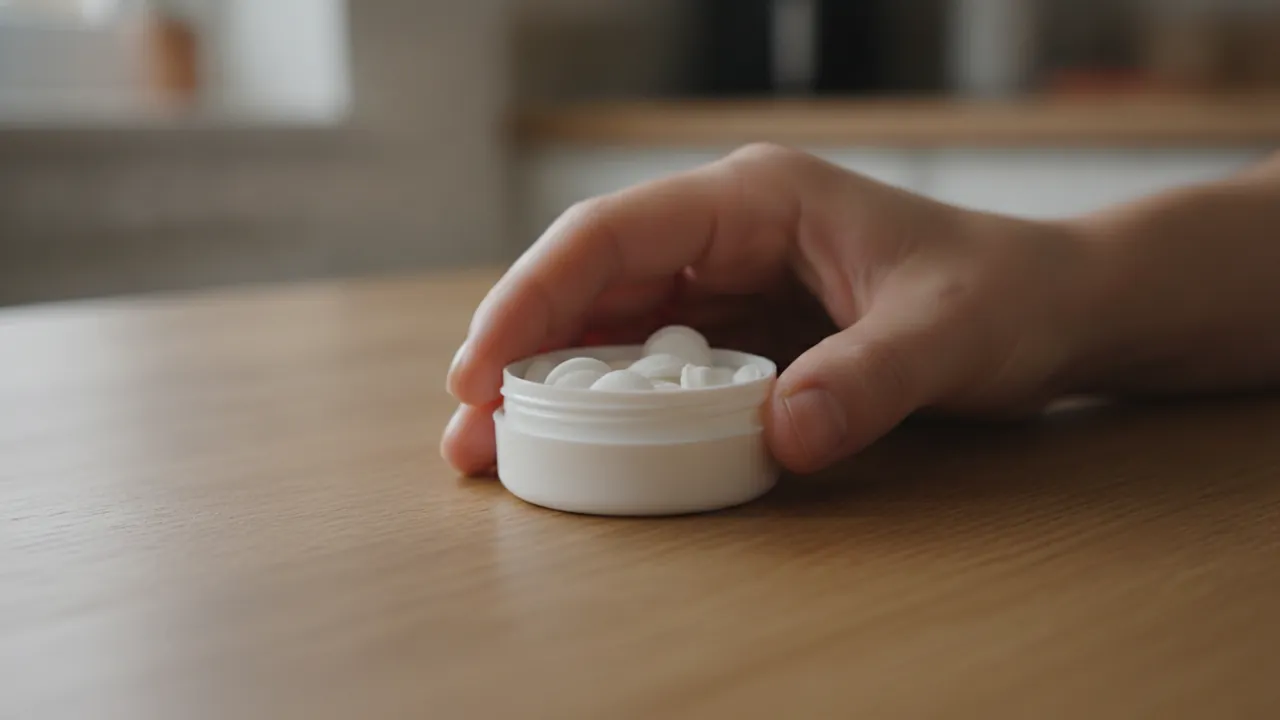
Are nicotine pouches bad for you? Yes, for anyone who does not already use nicotine: the pouches are addictive and raise heart rate and blood pressure, and their long-term effects are not yet known. For an adult who smokes cigarettes and switches completely, they are likely less harmful than smoking, but they are not risk-free and the FDA has not approved them as a way to quit.
What nicotine pouches are
A nicotine pouch is a small, tobacco-leaf-free sachet that you tuck between your gum and lip. Nicotine is absorbed through the lining of the mouth. There is no smoke, no vapor and no spitting, which is why brands such as Zyn, Velo and On! are marketed as discreet. Pouches typically contain nicotine in strengths of about 3 mg to 6 mg or more, and the amount on the label is what is in the pouch, not what your body absorbs.
They are not the same as snus or chewing tobacco, which contain tobacco, and they are not nicotine replacement therapy, which is sold as a medicine for quitting. That last difference matters: patches, gum and lozenges are regulated and approved for cessation. Pouches are not.
What the evidence says about health effects
| Area | What is known | What is still unclear |
|---|---|---|
| Addiction | Nicotine is highly addictive, whatever the delivery method | How dependence differs between pouches, vapes and cigarettes |
| Heart and blood vessels | Nicotine raises heart rate and blood pressure | The average increase from pouches specifically |
| Mouth and gums | Gum irritation, soreness, dry mouth and small sores where the pouch sits are reported | How often they occur and whether they cause lasting damage |
| Stomach and reflux | Nicotine can relax the valve at the top of the stomach and may worsen heartburn | How common this is with pouch use |
| Cancer and chronic disease | No combustion means no inhaled smoke | Long-term risk: pouches have not been around as long as cigarettes |
| Pregnancy | Nicotine can harm fetal development | Nothing; avoid pouches while pregnant |
Nicotine alone is not what kills most smokers. The tar, carbon monoxide and thousands of combustion chemicals in cigarette smoke do most of that damage. That is the reasoning behind calling pouches "less harmful than smoking", and it is why the answer differs by who is asking. It does not make nicotine harmless. For the vaping comparison, see is vaping worse than smoking.
What the FDA decision on Zyn does and does not mean
On January 16, 2025, the FDA authorized the marketing of 20 specific Zyn products, 10 flavors in 3 mg and 6 mg strengths, through its premarket tobacco application pathway. The agency said the products met the legal standard for protecting public health. It did not say they are safe, and it did not approve them as a quit-smoking treatment. The authorization covers only those 20 products, not every Zyn product or every other brand of pouch. You can read the announcement on the FDA site.
Who should avoid nicotine pouches completely
- Teenagers and young adults. The brain keeps developing until about age 25, and nicotine exposure can affect attention, learning, mood and impulse control. In 2024, 1.8% of US middle and high school students reported current nicotine pouch use.
- People who have never used nicotine. Starting adds addiction and no health benefit.
- Anyone pregnant or planning a pregnancy. See quitting smoking during pregnancy for safer options.
- People with heart disease or high blood pressure, who should ask a clinician before using any nicotine product.
Pouches compared with cigarettes and vapes
Switching fully from cigarettes to pouches removes smoke exposure, which is the main source of harm. Mixing them keeps most of the smoking risk, so partial switching offers little. Pouches also avoid inhaling aerosol, but no reliable numerical ranking against vaping exists. Each rung down the ladder is better only if you actually stop using the one above it.
The better question for most people is not "which is safest" but "can I stop using nicotine entirely?" If you smoke now, approved options such as patches, gum, lozenges and prescription medication have far stronger evidence than pouches. They are covered in quit smoking medication.
If you already use pouches and want to stop
Withdrawal from pouches follows the same arc as other nicotine: peak symptoms in the first few days, easing over two to four weeks. A taper to lower strengths or fewer pouches, or a firm quit date, both work for different people. The step-by-step plan is in how to quit nicotine pouches, and the common short-term effects are on the Zyn side effects page. If you want help tracking, our comparison of apps for quitting pouches covers the options. Back to the quit smoking tracker home page for the full set of guides.
Frequently asked questions
Can nicotine pouches cause acid reflux?
They can contribute. Nicotine relaxes the lower esophageal sphincter, the valve that keeps stomach acid down, and swallowing saliva that contains nicotine can irritate the stomach. If you get heartburn or nausea, try a lower strength, fewer pouches or a break. Persistent symptoms deserve a conversation with a doctor.
Is 2 nicotine pouches a day bad?
There is no verified safe number. Two a day is less nicotine than many cigarette smokers take in, but it still keeps you dependent and can raise heart rate. What matters most is strength, how long you hold each pouch, and whether you also smoke or vape. If you want to stop, tapering is straightforward.
Can dentists tell if you use nicotine pouches?
Often, yes. Dentists may see gum recession, irritation or whitened patches where the pouch sits, usually on the side you favor. These changes are generally mild and tend to improve after stopping, but anything that does not heal within two weeks should be checked by a dentist or doctor.
Are nicotine pouches safer than vaping?
Both deliver nicotine, and neither is proven safe over decades. Pouches avoid inhaling aerosol, which removes airway exposure, but no reliable head-to-head ranking exists. Choose neither if you do not currently use nicotine, and choose approved cessation aids if you are trying to quit.
Is it safe to quit nicotine pouches cold turkey?
Yes for most healthy people. Withdrawal is unpleasant, with cravings, irritability and poor sleep, but it is not dangerous. A planned taper or nicotine replacement can make it more manageable. Seek medical help if you feel hopeless or have thoughts of self-harm.
How many cigarettes equal one nicotine pouch?
There is no reliable one-to-one conversion. A cigarette typically delivers about 1 to 2 mg of nicotine to the body, while a pouch's label strength, such as 3 mg or 6 mg, shows the content of the pouch and not what you absorb, which depends on how long it stays in your mouth. Strong pouches can deliver a substantial dose.
Are nicotine pouches safer than cigarettes?
Pouches avoid burning tobacco, so they do not expose you to smoke, tar or carbon monoxide, and they are likely less harmful than cigarettes. They are still not safe: they deliver addictive nicotine, can irritate the gums and mouth, and long-term effects are not well studied. They are not an approved way to quit smoking, and non-smokers should not start.
Can nicotine pouches cause gum problems?
Yes. Pouches held in the same spot can cause gum irritation, soreness, whitened patches and sometimes gum recession. Most changes are mild and improve after stopping, but anything that does not heal within about two weeks should be checked. Rotating the placement of the pouch and using a lower strength can reduce irritation, although quitting removes the problem completely.