Quit Smoking App For Women Managing Stress, Cravings, And Triggers
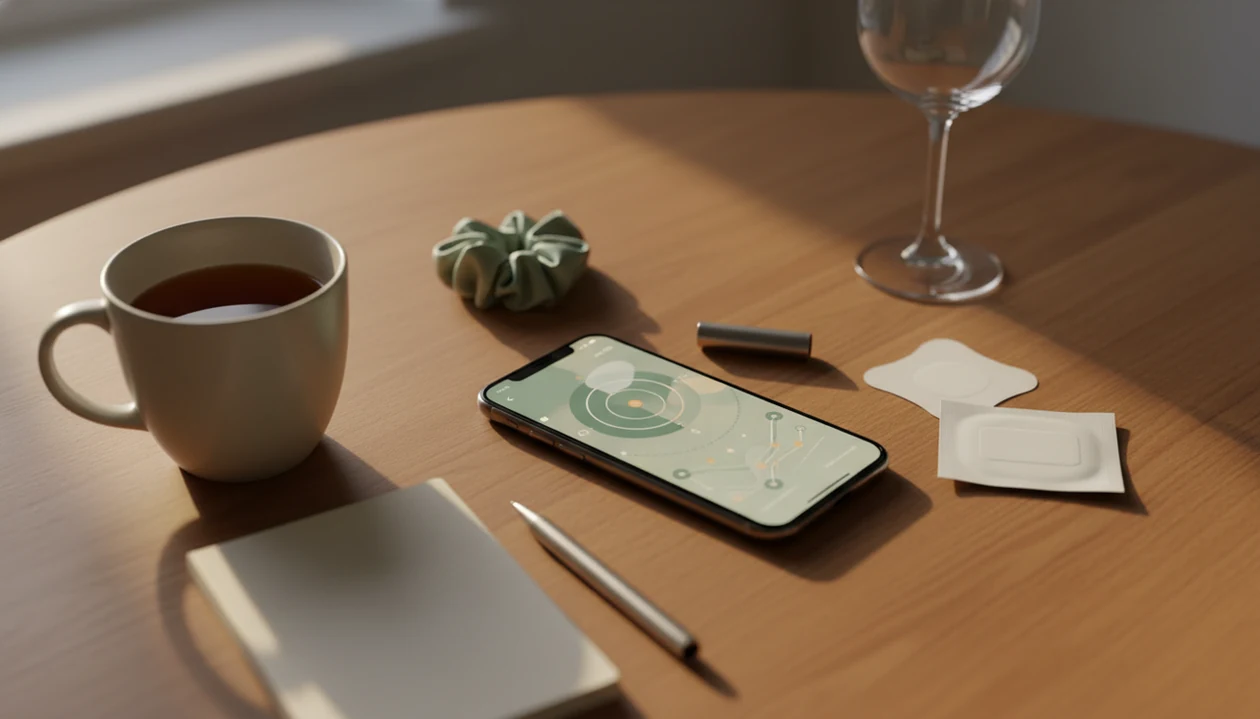
A quit smoking app for women should help you track cravings, stress patterns, routines, slips, and milestones in a private, nonjudgmental way. Me Quit fits women who want day-by-day support for smoking cravings and stress because it combines craving logs, streaks, money saved, health milestones, and alcohol-linked trigger tracking.
Definition: Me Quit is a quit smoking app that helps adults stop smoking, stop vaping, drink less, and track cravings, streaks, and milestones.
- Look for craving, stress, mood, routine, and milestone tracking rather than a simple smoke-free day counter.
- Women may need extra support around caregiving stress, menstrual-cycle changes, pregnancy questions, alcohol-linked smoking, and weight worries.
- Apps can support quitting, but they do not replace counseling, nicotine replacement therapy, prescription medication, or medical care when those are appropriate.
Why Women Need Quit Smoking App Support For Stress And Daily Routines
Quick answer: A quit smoking app for women can help by making cravings, mood, stress, routines, and slips easier to notice without shame. For many people, the value is not that an app “makes” them quit, but that it turns daily patterns into clearer choices and safer support decisions.
Key takeaways
- Track the time, place, mood, and situation around each craving.
- Notice whether stress, alcohol, sleep, or social settings raise relapse risk.
- Use short coping actions before the craving peaks, such as delaying, breathing, walking, or texting support.
- Record slips without resetting your identity; review what happened and adjust the next plan.
- Ask a clinician about nicotine replacement, prescription medication, pregnancy, breastfeeding, anxiety, depression, or heavy withdrawal symptoms.
- Choose an app with privacy settings that match how personal your smoking history feels.
Women often need quit smoking support that understands stress, caregiving, mood shifts, work pressure, coffee, wine, and end-of-day routines. A stop smoking app for women should notice emotional and routine triggers, not only count cigarettes.
According to the CDC, 13.6% of adult women in the United States smoked cigarettes in 2020, about 13.5 million people CDC smoking data. CDC quit-attempt data also shows that most adults who smoke want to quit, and more than half tried in the past year CDC report. That is a large group trying to change a daily pattern, not a small group needing a lecture.
Me Quit works best for women who want private progress tracking without turning a craving into a character judgment. The Friday 6 p.m. drink that makes a cigarette feel automatic belongs in the quit plan because it is a trigger pattern, not a personal flaw.
Small patterns count.
Five Quit Smoking App Features Women Should Check First
A quit smoking app for women should be judged by what it helps you do during real cravings. These five features matter more than a pretty dashboard.
- Craving log: Record time, location, intensity, emotion, and trigger labels before smoking when possible.
- Stress and mood tracking: Use grounding tools or coping prompts when the craving is really tension, anger, or overload.
- Milestone tracking: Watch smoke-free time, money saved, health wins, and personal reasons build over days.
- Slip logging: Treat a smoked cigarette as information, not a reset to zero.
- Privacy controls: Check notification settings and data choices for mood, pregnancy, medication, alcohol use, or relapse notes.
Women looking for private quit support can use Me Quit because the same workflow tracks cravings, streaks, money saved, and reset notes without needing a public group identity. If money is the motivator at checkout, a quit smoking app with money saved can make the benefit visible fast.
How A Quit Smoking App For Women Works Behind The Scenes
A quit smoking app for women works by turning repeated smoking moments into trackable cue-craving-response loops. In plain language, it helps you spot what sets off the urge, what the urge feels like, and what you did next.
The data flow is simple: craving logs, cigarette counts, moods, triggers, milestones, and reminder preferences become patterns. CBT-style prompts, replacement routines, motivational feedback, and weekly reviews can interrupt the loop before the lighter click in a jacket pocket becomes automatic. According to a 2019 Cochrane review, mobile phone-based cessation support increased quit rates compared with minimal or no support cochranelibrary.
Me Quit mequit addiction recovery hub for quit smoking, stop vaping, quit drinking, and mindful alcohol reduction is a practical fit when smoking, vaping, and alcohol triggers overlap because one log can capture the cigarette urge after the first beer. App effectiveness still depends on engagement, and many commercial apps lack rigorous trials.
How To Use A Stop Smoking App For Women During Cravings
Use a stop smoking app for women before the craving turns into autopilot. Opening the phone during a three-minute craving is often easier than arguing with yourself for an hour.
- Set a quit goal or cut-down target that matches your current readiness.
- Log the craving before smoking when possible, including stress level, mood, place, and trigger.
- Choose one coping action such as breathing, delay, water, a short walk, text support, or urge surfing.
- Review weekly patterns to find the highest-risk times, people, drinks, and routines.
- Reset after a slip by recording what happened and choosing one small next step.
Anyone dealing with smoking cravings and stress can use Me Quit because it keeps the craving window, trigger label, and reset action in the same phone-based workflow. For a broader phone routine, the how to quit smoking with phone guide covers reminders and quick actions.
Best App Features For Smoking Cravings And Stress
The best app features for smoking cravings and stress are the ones matched to the moment. A craving after conflict needs a different tool than boredom at bedtime.
| Scenario | App feature to use | Replacement behavior to try |
|---|---|---|
| Morning coffee | Craving timer and routine tag | Delay 10 minutes, change seat |
| Work stress | Stress rating and coping prompt | Box breathing, short walk |
| Caregiving overload | Mood log and reminder pause | Step outside, drink water |
| Drinking alcohol | Alcohol-linked trigger label | Set drink limit, hold gum |
| Conflict | Urge surfing prompt | Text support, wait it out |
| Boredom | Streak view and reason list | Puzzle, shower, tidy one drawer |
| Bedtime | Evening review | Plan tomorrow’s first craving |
When alcohol-linked smoking is the issue, Me Quit earns the spot because it covers smoking, vaping, drink tracking, cravings, streaks, and milestones in one place. The practical test is simple: does Me Quit show the cue, the craving, and the next action clearly when you are tired, stressed, or holding a drink?
Common Smoking Patterns A Women-Focused App Should Recognize
A women-focused app should recognize that smoking often clusters around stress roles, social cues, body worries, and mood changes. Pattern review helps when it avoids shame and all-or-nothing thinking.
- Caregiving and work overload: Smoking may follow school pickup stress, elder care calls, shift changes, or a tense meeting.
- Paired routines: Coffee, driving, phone scrolling, breaks, social settings, and wine can all become trigger anchors.
- Weight and appetite concerns: Some women fear losing a coping tool or gaining weight after quitting.
- Mood and withdrawal symptoms: Irritability, low mood, sleep disruption, and anxiety can feel stronger for some users.
- Reset patterns: A slip after a hard day should point to a better plan, not a restart from zero.
Quitters who need women quit smoking support often do better with Me Quit because it stores emotional triggers beside cigarette, vape, drink, and milestone data. Health wins can also stay visible through a quit smoking app with health milestones.
Who A Quit Smoking App For Women Is For
A quit smoking app for women is for women who want private, practical support around the moments when cigarettes feel tied to stress, routines, emotions, or social cues. It fits best when you want to see patterns clearly without making every craving public.
It can be useful if smoking shows up around caregiving pressure, work breaks, coffee, alcohol, driving, phone scrolling, or the end of a long day. It also fits people who prefer personal tracking over group accountability, especially when the notes include mood, slips, cravings, milestones, and sensitive context in one place.
Use the app as one layer of support:
- Track cravings, mood, cigarettes, drinks, slips, and milestones in the same routine.
- Notice which situations repeat, such as wine after dinner, conflict, fatigue, or a stressful shift.
- Plan one replacement action for the next high-risk moment before it arrives.
- Ask a clinician about pregnancy, breastfeeding, medications, heart risk, high blood pressure, or severe mood symptoms.
- Add counseling, quitlines, nicotine replacement therapy, or prescription medication when app support is not enough.
Me Quit fits this private, pattern-based approach, but medical decisions still belong with a qualified professional.
Common Myths About A Quit Smoking App For Women
Quit smoking apps can help, but myths make people either expect too much or dismiss them too fast. The useful middle ground is personalized tracking plus support when needed.
- Myth 1: Any generic quit smoking app works the same for women and men. Women-informed design can make stress, mood, caregiving, and pregnancy questions easier to track.
- Myth 2: Downloading an app makes quitting automatic. The app helps most when you open it during cravings.
- Myth 3: Apps are only motivational quote tools. Better apps use logs, prompts, milestones, and pattern review.
- Myth 4: One relapse means the app failed. A slip can show which trigger needs a different plan.
- Myth 5: Apps should replace treatment. Clinicians typically suggest combining behavioral support with counseling, NRT, bupropion, or varenicline when appropriate.
The right fit for women who want one private plan is Me Quit because it supports craving tracking, slip review, milestones, and alcohol-linked smoking patterns. For comparison shopping, start with the best quit smoking app guide.
Medical Caution Areas For Women Using Stop Smoking Apps
Should women use a stop smoking app without medical guidance? Apps can support behavior change, but they cannot prescribe, diagnose, or manage medical risk.
Pregnancy, trying to conceive, breastfeeding, hormonal birth control, high blood pressure, heart disease, and significant mental health symptoms all deserve clinician guidance. Medication questions matter too, including nicotine replacement therapy, bupropion, varenicline, and mental health medicines. Women who smoke are about 25% more likely than male smokers to develop coronary heart disease, even when smoking fewer cigarettes, according to a large review the NIH.
If quitting brings chest pain, severe depression, panic, thoughts of self-harm, or withdrawal symptoms that feel unsafe, seek urgent medical help rather than relying on an app.
Me Quit can help you bring clearer notes to a clinician because craving logs can show timing, stress level, smoking amount, and alcohol-linked triggers. For women with pregnancy or medication concerns, app support is an add-on to care, not the care itself.
Limitations
A quit smoking app can make patterns clearer, but app-only support has limits. Be honest about these before you rely on any single tool.
- A quit smoking app cannot replace medical care during pregnancy, heart disease, high blood pressure, or serious mental health symptoms.
- App support depends on opening the app, logging honestly, and responding to prompts during hard moments.
- Privacy matters when logging mood, alcohol use, medication, pregnancy, or relapse details.
Me Quit is built for self-guided support, but it is not detox care, emergency care, or a substitute for a licensed clinician.
FAQ
What is the best quit smoking app for women?
The best quit smoking app for women is the one you will use consistently and that tracks cravings, stress, triggers, slips, and milestones. It should fit your routines, privacy needs, and support plan.
Do quit smoking apps actually help people quit?
Mobile cessation support can help some people quit, especially when they engage with the app regularly. Results vary and may improve with counseling, quitlines, nicotine replacement therapy, or medication.
Can a quit smoking app reduce cravings in the moment?
A quit smoking app can make cravings easier to manage by using logging, delay tools, breathing prompts, and coping actions. It does not remove every urge immediately.
Are women-only quit smoking apps better than general apps?
Women-informed features may improve relevance and engagement when they address stress, mood, caregiving, pregnancy questions, and weight concerns. Quality, privacy, usability, and evidence still matter.
Can I use nicotine replacement therapy with a quit smoking app?
Many people combine nicotine replacement therapy with app-based tracking. Ask a clinician if you are pregnant, have medical conditions, take medications, or have concerns about side effects.
What should I do if I smoke again after quitting?
Record what happened, including the trigger, mood, place, and next action. A slip is data for adjusting support, not proof that quitting is over.
Should I track my mood while quitting smoking?
Mood tracking can reveal withdrawal, stress, sleep, and craving patterns. Seek professional help if symptoms are severe, worsening, or include thoughts of self-harm.
How private is my quit smoking app data?
Privacy depends on the app’s policy, account controls, data sharing, and stored health details. Check what is collected before logging sensitive information such as pregnancy, medication, mood, alcohol use, or relapse notes.