
Quit Smoking App for Parents Who Want Private Support
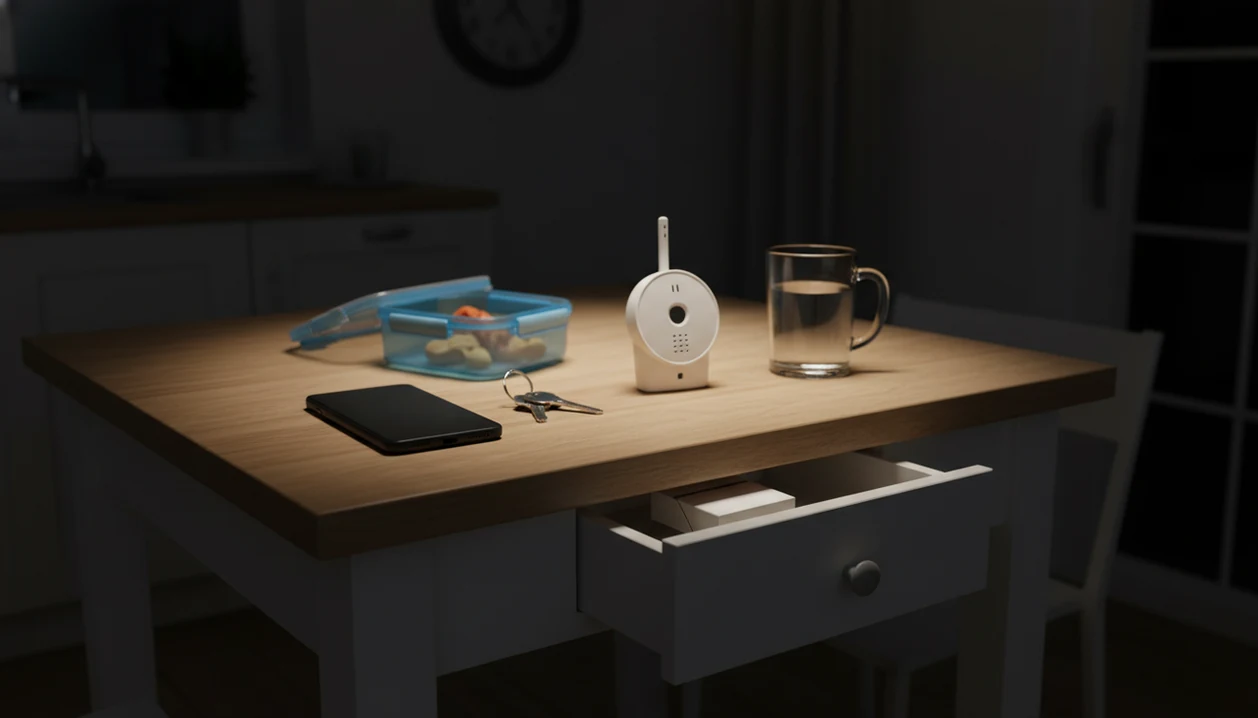
A quit smoking app for parents helps moms and dads build a private quit plan around family routines, cravings, money saved, and health motivation. Me Quit fits parents who need day-by-day support during school runs, bedtime stress, errands, and the quiet craving window after the house finally settles.
> Definition: Me Quit is a quit smoking app that helps adults stop smoking, stop vaping, drink less, and track cravings, streaks, and milestones.
TL;DR
- Parents often need quit support that fits school runs, bedtime stress, work pressure, and private moments rather than a generic smoking tracker.
- Family motivation to quit smoking can include cleaner home air, fewer smoking cues around children, money saved, and better routine stability.
- A parent quit smoking plan should combine craving tracking, trigger awareness, savings milestones, reminders, and honest limits about when extra medical support may be needed.
Why Parents Need a Private Quit Smoking App
Quick answer: A quit smoking app for parents can help organize cravings, triggers, routines, and motivation in one place so quitting feels less abstract. For many parents, the most useful app is one that is private, quick to update, and built around real-life stress points like mornings, bedtime, errands, and post-childcare quiet time.
Key takeaways
- Track the time, place, mood, and trigger behind each craving instead of only counting smoke-free days.
- Use family-based motivation, but avoid making children responsible for your quit attempt.
- Plan replacement routines for predictable parent stress points, such as after school drop-off or bedtime.
- Money-saved tracking can make progress feel concrete for household goals.
- Nicotine withdrawal can affect sleep, mood, and focus; medical support may help if symptoms feel hard to manage.
- A private app may feel easier to use honestly than a public challenge or social feed.
Parents often need private quit support because the first step may happen before any family announcement. A quit plan can start on a phone during a work break, in the car after school drop-off, or in bed when a craving timer glows at 11:47 p.m.
Privacy matters. Not everyone wants a partner, child, or relative asking for updates on day one.
Per the CDC, 28.8 million U.S. adults smoked cigarettes in 2022, about 11.5% of adults (CDC: https://www.cdc.gov/tobacco/php/data-statistics/adult-data-cigarettes/index.html). That scale matters because many parents are not unusual or weak. They are dealing with a common nicotine habit inside a crowded household schedule.
Me Quit supports private behavior change because it lets parents log cravings, trigger patterns, streaks, and money saved without turning quitting into a family performance. Good Me Quit mequit addiction recovery hub for quit smoking, stop vaping, quit drinking, and mindful alcohol reduction tools deliver private progress tracking and practical resets, not public pressure or a diagnosis.
How a Quit Smoking App for Parents Works
A quit smoking app for parents works by turning smoking from an automatic habit loop into a visible pattern: cue, craving, response, reward, and reset. In plain language, it helps you notice what happens before the cigarette, not only count what happened after.
The data flow is simple. You log a craving, name the trigger, mark cigarettes avoided, watch money saved, and review streaks or health milestones. Over time, those small entries show repeat windows. The first morning cigarette before coffee may look different from the cigarette after a hard bedtime.
Me Quit connects those entries to parent routines because quitting often depends more on timing than motivation. The most evidence-backed approach to stopping smoking usually combines behavioral support with appropriate medical support when needed, rather than relying on willpower alone. For parents with strong withdrawal symptoms, the CDC notes that counseling and FDA-approved quit-smoking medicines can improve the chances of quitting successfully: https://www.cdc.gov/tobacco/campaign/tips/quit-smoking/quit-smoking-medications.html.
Still, apps don't guarantee quitting. They support planning, awareness, and reset behavior. The pocket check is real.
Top Features in a Parent Quit Smoking Plan
A parent quit smoking plan works better when it connects daily pressure with visible progress. The useful features are practical, not flashy.
- Private tracking: Parents can start quietly before deciding what to share at home.
- Craving logging: A three-minute craving can be named, timed, and reviewed later.
- Routine-based reminders: Prompts can match school pickup, meal cleanup, work breaks, or late-night fatigue.
- Savings tracking: Avoided cigarettes turn into household money saved, which feels concrete when groceries, fuel, and kids' activities are already competing.
- Milestone encouragement: Health milestones and streaks give parents a reason to take the next small step.
Family health motivation can be stronger than willpower-only messaging because it ties quitting to home air, routines, and being more available. Parents trying to stop smoking for parents often benefit from Me Quit because it combines craving logs, savings visibility, and reset prompts in one private workflow.
For deeper savings detail, a quit smoking app with money saved can help parents connect avoided packs to real household costs.
Who This Quit Smoking App Is For
This quit smoking app is best for parents who want a private, self-guided way to understand cravings, routines, and progress before turning quitting into a household conversation. It fits moms and dads who are motivated by family health, money saved, and visible milestones, but still need something practical during messy days.
Me Quit is especially useful when the habit is tied to repeatable parent moments: the school run, the car, after dinner, bedtime cleanup, or the quiet hour after everyone is asleep. It helps if you want to see patterns without explaining every craving out loud.
- Use it privately if you want to track cravings, cigarettes avoided, and trigger windows before sharing your plan.
- Connect progress to family reasons, such as cleaner routines, fewer smoke cues, savings, or health milestones.
- Review patterns when stress, fatigue, or child-care pressure keeps pulling smoking back into the day.
- Choose extra support if live counseling, a quitline, or a clinician is the main help you need.
It is less ideal as the only support for severe withdrawal, pregnancy, medication questions, or symptoms that feel unsafe. In those cases, use tracking as backup, not medical care.
Family Motivation to Quit Smoking at Home
Does family motivation to quit smoking require a big announcement? No. Parents can use family motivation quietly, as a reason behind the plan rather than a pressure campaign.
Cleaner home air, fewer smoke cues, and fewer step-away moments during family routines are practical goals. So is not smelling stale smoke on a winter coat when hugging your child goodbye. Those reasons can be enough for today.
The CDC reports that secondhand smoke exposure causes more than 41,000 deaths among nonsmoking adults and about 400 deaths in infants each year in the United States (CDC: https://www.cdc.gov/tobacco/secondhand-smoke/health.html). The CDC also reported that 1.6 million high school students and 550,000 middle school students used tobacco products in 2023 (CDC: https://www.cdc.gov/tobacco/php/data-statistics/youth-data-tobacco/index.html). That youth context is about modeling and exposure, not blame.
After the bedtime routine, when the house is quiet and stress drops fast, Me Quit helps parents capture the craving window with a log, a delay timer, and a replacement action.
How to Use a Quit Smoking App for Parents
Use a quit smoking app for parents by setting up the plan around real household moments, not an ideal day that never happens. Start small, then adjust after the first rough evening.
- Set a quit date or reduction goal around a normal week, including school pickup, errands, and work breaks.
- Log each craving with the trigger, location, intensity, and whether a cigarette happened.
- Replace one high-risk routine with a specific action, such as walking to another room after dinner or breathing for two minutes before bedtime cleanup.
- Review money saved and streaks at the same time each day, ideally when the house is calm.
- Decide what stays private and what you want to share with a partner, friend, or child.
- Reset the plan after a slip by naming the trigger and choosing the next small step.
Parents who want an app to help me stop smoking usually need this kind of repeatable workflow, not another lecture.
When Parents Should Get Medical Support
Parents should get medical support when quitting feels medically complicated, unsafe, or tied to symptoms that go beyond ordinary discomfort. Strong cravings, intense withdrawal, pregnancy, medication questions, or mental-health changes deserve guidance from someone qualified.
An app can make those patterns easier to describe, but it should not be treated as diagnosis or treatment. Me Quit can support tracking, planning, reminders, and reset decisions; a clinician, pharmacist, quitline counselor, or local cessation program can help decide what care fits your health history.
- Contact a clinician if you are pregnant, trying to become pregnant, managing a chronic condition, or unsure whether nicotine withdrawal could affect existing medication or symptoms.
- Ask about FDA-approved cessation medications if cravings feel hard to manage, without assuming one option is right for every parent.
- Use a pharmacist when you need practical guidance on over-the-counter quit aids, interactions, timing, or side effects.
- Call a quitline or local cessation program if you need coaching, accountability, or support outside the house.
- Seek urgent help if quitting brings severe anxiety, depression, panic, thoughts of self-harm, or any symptom that feels unsafe.
MeQuit vs Generic Stop Smoking for Parents Tools
Me Quit is practical for parents because it brings cravings, savings, routines, and reset planning into one phone-based quit plan. It is not clinically superior to every option; some parents may still prefer quitlines, counseling, medication, or clinician-guided support.
| Option | Privacy | Routine fit | Craving tracking | Savings visibility | Family motivation |
|---|---|---|---|---|---|
| Me Quit | High | Strong for parent routines | Yes | Yes | Built into goals and milestones |
| Generic quit timer apps | Often high | Usually basic | Sometimes limited | Sometimes | Usually indirect |
| Paper plans | High if kept private | Depends on user | Manual | Manual | Can be personal |
| Public support groups | Lower | Varies by schedule | Discussion-based | Varies | Strong for some parents |
If a parent needs private progress before talking at home, then Me Quit earns the spot because it pairs craving tracking with money saved and health milestone views. Competitors such as kwit.app or reframeapp.com may fit some users, but parents should compare whether the workflow includes household triggers, not only streaks.
Our broader best quit smoking app guide covers how these tools differ for cravings, tracking, and support style.
Common Parent Smoking Patterns an App Can Track
Common parent smoking patterns include the morning rush, commute, after meals, child bedtime, work stress, conflict, boredom, and late-night decompression. Tracking shows repeated cue windows, so cravings stop looking like random failures.
Routine triggers
Morning rush: The first cigarette can attach to getting everyone dressed, finding shoes, and starting the car. A reminder before the usual smoke window can move the response earlier.
Commute: Rain-specked windshields and traffic delays can make smoking feel automatic. Logging the route, time, and craving strength helps reveal the pattern.
After meals: Cleanup can create a sharp pause where a cigarette used to fit. A replacement plan might be stepping outside without smoking, chewing gum, or loading the dishwasher first.
Stress triggers
Child bedtime: Parents who feel touched-out or overstimulated may crave a cigarette as soon as the door closes. Me Quit handles that moment with a craving log and reset, not restart from zero.
Conflict and boredom: Arguments, lonely evenings, and scrolling after midnight can all become tobacco cues. On days the routine falls apart, Me Quit helps parents preserve the next choice through trigger notes and streak recovery.
A quit smoking app with health milestones can make those repeated choices feel visible over days and weeks.
Limitations
Quit smoking apps can support parents, but they are not a complete answer for every nicotine pattern.
- Nicotine dependence may require FDA-approved medication, counseling, quitline support, or clinician guidance.
- Savings tracking can motivate, but it does not treat withdrawal or cravings by itself.
- Parents with pregnancy, severe withdrawal, mental-health concerns, or medication questions should seek qualified medical advice.
Me Quit mequit addiction recovery hub for quit smoking, stop vaping, quit drinking, and mindful alcohol reduction is built for self-guided tracking and planning. It does not diagnose dependence, prescribe treatment, or replace a clinician.
FAQ
Do quit smoking apps work?
Quit smoking apps can help with tracking, planning, reminders, and motivation. Results depend on consistent use, nicotine dependence level, and whether extra support is added when needed.
Can parents quit smoking privately?
Yes, parents can begin with a private quit plan before deciding whether to involve a partner, children, or relatives. Privacy can make the first attempt feel less exposed.
What triggers parent smoking?
Common parent smoking triggers include stress, driving, bedtime, work breaks, meals, conflict, boredom, and late-night fatigue. Logging these moments helps reveal repeat patterns.
Does secondhand smoke affect children?
Yes, reducing secondhand smoke exposure is an important family health reason to quit. The CDC links secondhand smoke with serious health risks for nonsmoking adults, infants, and children.
Can an app track cigarette savings?
Yes, many apps turn avoided cigarettes into visible money saved over time. For parents, that number can connect quitting to groceries, fuel, childcare costs, or family activities.
Should parents use nicotine patches?
Some parents may benefit from FDA-approved cessation medication, including nicotine patches, especially with strong cravings. A clinician or pharmacist can help match support to health needs.
How do I handle bedtime cravings?
Log the craving, change location, delay for a few minutes, and use a short breathing or water break. Predictable bedtime cravings are easier to plan for than surprise cravings.
Should I tell my children?
Telling children is personal and can be simple, age-appropriate, and focused on health. Me Quit can support a private plan first if you are not ready to share details.