How To Stop Vaping With Phone Tracking And Planning
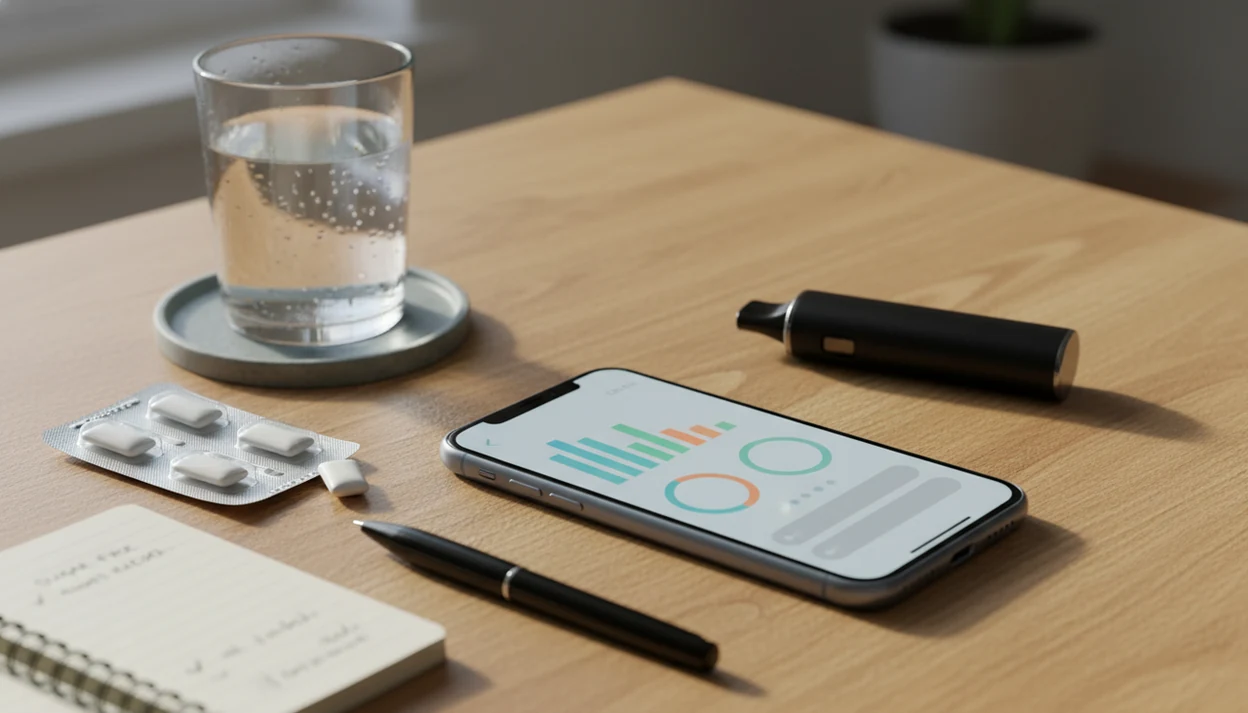
The best way to use your phone to quit vaping is to turn it into a daily tracking, reminder, craving-delay, and relapse-reset system. A strong how to stop vaping with phone plan records when you vape, why you vape, what nicotine strength you use, and what you will do the next time an urge hits.
> Definition: Phone-based vaping cessation means using reminders, craving logs, quit apps, screen controls, text support, and daily plans to reduce or stop nicotine vaping.
TL;DR
- Use your phone for puff tracking, craving logging, reminders, trigger notes, and support prompts, not just motivation.
- Choose either a quit date or a taper plan, then make your phone enforce the next action with alarms, widgets, and daily reviews.
- After a slip, log the trigger, change one rule, and restart immediately instead of treating the quit attempt as failed.
At A Glance: How To Stop Vaping With Phone Tools
Quick answer: You can use your phone to quit vaping by making each urge visible: track use, identify patterns, set reminders, and plan a response before cravings peak. For many people, the most useful phone setup combines craving logs, nicotine-strength notes, trigger tracking, and a simple reset plan after slips.
Key takeaways
- Log the time, place, mood, and nicotine strength each time you vape or feel an urge.
- Use short delay timers, such as 5 to 10 minutes, to ride out cravings before deciding what to do.
- Review patterns daily so you can avoid or prepare for high-risk times.
- Choose either a gradual taper or a quit date based on your dependence, history, and preferences.
- Treat slips as data, not failure; record what happened and adjust the next plan.
- Ask a clinician about nicotine replacement or medication if withdrawal feels hard to manage.
- A phone quit plan works best as a system: track the vape, delay the urge, remind yourself, get support, and reset quickly.
- Useful logs include puff count, nicotine strength, craving intensity, location, mood, and trigger notes.
- Apps and text programs can support quitting, but they don't replace medical advice, counseling, or medication when those are needed.
- The CDC says there are no safe tobacco products, including vapes, and adults who have never used tobacco should not start vaping CDC smoking data.
- The phone should tell you what to do next, not just store a pile of numbers.
The pocket check is real.
If your mint vape lives in a hoodie pocket, the first win may be logging that reach before you use it. That small pause is where the plan starts.
How Phone Tracking Works For Vaping Cravings
Phone tracking works by making the vaping habit loop visible: cue, craving, response, and reward. In plain terms, your phone helps you notice what happens right before your hand reaches for the vape.
A craving log can reveal repeat patterns: stress after a meeting, driving, waking up, scrolling in bed, work breaks, or the Friday 6 p.m. drink that makes nicotine feel automatic. You are not collecting data for decoration. You are collecting it so tomorrow’s reminder can land before the usual trigger, not after.
Phone-based quitting works best when tracking leads to a decision, such as delaying five minutes, changing rooms, taking a walk, or texting someone. For people who vape automatically, a timed delay is often easier than “just resist” because it gives the craving window a clear finish line.
Before You Stop Vaping On iPhone Or Android
Before you stop vaping on iPhone or Android, use two or three days to capture your baseline. Record the nicotine strength, device type, pod or refill use, and the times you vape most often.
Baseline numbers to record
Write down daily puff pattern, first vape time, strongest craving, nicotine strength, and how often you replace pods or refills. If mornings are rough, mark the first reach before getting dressed, not just the first completed vape.
Phone triggers to remove
Delete vape shopping links, mute vape accounts, leave promo groups, and clear saved carts. Set one emergency support contact or text-support option before the urge hits. Choose a quit date, taper start date, or medical-support appointment, then put it on the calendar.
Step 1: Set A Phone App To Quit Vaping
To use a phone app to quit vaping, set it up before your first high-risk craving of the day. The app should hold your plan, not become another place to scroll.
- Choose a tool: Pick a phone app to quit vaping, or use Notes, Google Sheets, Apple Numbers, or a simple habit tracker.
- Enter your quit goal: Add a quit date, taper start date, daily puff target, or nicotine-strength target.
- Set reminders: Schedule prompts around your real trigger times, such as lunch break, commute, or late-night scrolling.
- Check privacy: Avoid apps that promote vape products, shopping links, or public sharing you don't want.
- Add reset fields: Make sure you can log slips, triggers, and streak changes without deleting your progress.
Tools like Me Quit can fit this workflow. MeQuit is a quit smoking app that helps adults stop smoking, stop vaping, drink less, and track cravings, streaks, and milestones. If you want a broader comparison, our best quit vaping app guide covers features to look for.
Free support options can also sit beside an app-based plan, including SmokefreeTXT, quitSTART, or a state quitline reached through 1-800-QUIT-NOW CDC smoking data.
Step 2: Log Every Vape, Craving, And Trigger
Log every vape, craving, and trigger in short check-ins. The goal is a fast record you will actually keep using.
- Record the time: Note when the craving started, not only when vaping happened.
- Name the place: Add car, bedroom, desk, bathroom, sidewalk, or bar.
- Rate the urge: Use a 1 to 10 craving score.
- Add the trigger: Choose stress, boredom, alcohol, driving, waking, scrolling, social pressure, or another clear label.
- Separate craving from use: Mark whether you vaped, delayed, skipped, or used a replacement action.
A craving resisted still counts as progress. On day four or five, review the top three trigger patterns. You may find that the blue light from a bedside vape matters more than nicotine level at night. That is useful, because the next rule becomes obvious.
Step 3: Choose A Phone-Based Vape Taper Or Quit Date
A phone can support either an abrupt quit date or a planned taper. The better choice depends on your dependence level, past attempts, medical context, and how well you can follow spacing rules.
Quit date option
A quit date means you stop vaping on a chosen day and use your phone for cravings, reminders, support, and reset tracking.
Taper option
A taper means you deliberately increase time between vape sessions, reduce daily puffs, or lower nicotine strength over time. For many users, a taper usually works best when every reduction is scheduled, while a quit date fits people who do better with a firm boundary.
| Option | How the phone helps | Good fit | Watch for |
|---|---|---|---|
| Quit date | Countdown, lock-screen prompts, craving timers, support texts | Clear-rule thinkers | Strong withdrawal without support |
| Puff taper | Daily puff limit and session spacing alarms | People who need gradual change | “Just one more” drift |
| Nicotine taper | Nicotine-strength notes and refill planning | People using known strengths | Guessing instead of measuring |
| Medical-support plan | Appointment reminders and symptom notes | Pregnancy, heavy use, medication questions | Delaying needed care |
For a deeper decision process, read the vape tapering vs quit date guide.
Step 4: Use iPhone And Android Reminders For Urges
Use built-in phone tools to interrupt urges before they become automatic. Craving-delay timers of 5, 10, or 15 minutes work because they turn “I need it now” into a timed experiment. Smokefree.gov also recommends planning for cravings and using short coping actions such as delay, distraction, and support during trigger moments Smokefree.gov cessation data.
Stop vaping on iPhone setup
- Create Reminders: Add prompts for your highest-risk times.
- Use Calendar blocks: Mark no-vape windows during commute, lunch, and evening.
- Set Focus modes: Hide vape-related apps, chats, or shopping tabs during trigger hours.
- Limit feeds with Screen Time: Reduce exposure to content that makes vaping feel normal.
- Place a widget: Keep a craving log or streak count on the home screen.
Stop vaping on Android setup
- Set alarms: Use labels like “Wait 10 minutes, drink water first.”
- Use Google Calendar: Block taper windows and review times.
- Turn on Digital Wellbeing: Limit apps or searches tied to vape content.
- Add quick notes: Put a fast craving log on the home screen.
- Use lock-screen prompts: Try water, walk, breathing, gum, or texting support.
Good phone tools deliver timely prompts and private progress tracking, not a magic cure or a public identity you have to adopt.
Step 5: Reset A Vaping Slip With Your Phone
“What should I do if I vape once after trying to quit?” Treat the slip as data, not proof that the quit attempt failed.
Open your log the same day. Record what happened, where it happened, who was present, and what feeling came first. The detail matters. “Car after argument” is more useful than “bad day.”
Then set one new rule immediately. No vape in car. No vape after meals. No vape kept in the bedroom. No buying pods after 8 p.m. A quiet restart after a weekend lapse can still protect the rest of the week.
Reset, not restart from zero.
Restart the streak or plan today, even if the number changes. If you are trying to stop vaping without smoking again, the reset rule should also block cigarette triggers.
Common Myths About Quitting Vaping With A Phone
Phone-based quitting fails when the phone is treated like motivation instead of a plan. These myths are common, and they are fixable.
- The app-only myth: A quit app alone does not stop vaping. It needs a quit plan, trigger notes, reminders, and support actions.
- The lower-nicotine myth: Lower nicotine may help some tapers, but habits can stay locked in if the same breaks, drives, and bedtime scrolls continue.
- The one-slip myth: One vape does not end the quit attempt. It gives you a trigger pattern to change.
- The safe-vape myth: “Natural,” occasional, or lower-nicotine vapes are not proven safe quitting tools.
- The alternative-method myth: The Australian Department of Health says there is no clear evidence that hypnotherapy or acupuncture helps people quit smoking or vaping gov smoking data.
Clinicians typically recommend matching nicotine dependence with a quit plan, behavioral support, and medical guidance when withdrawal or health factors are significant.
Daily Verification Plan For Phone-Based Vaping Progress
A phone quit plan is working when your behavior changes, not when the dashboard looks clean. Do a two-minute review each night: puff count, cravings resisted, strongest trigger, and tomorrow’s next rule.
Look for reduced frequency, longer gaps between sessions, lower nicotine strength, or fewer automatic vapes. Track streaks and health milestones without hiding slips. Hidden slips make the plan less accurate.
The money saved total at the checkout can hit harder than a lecture.
Adjust the next day’s reminders around the riskiest times. If dusk brings a headache behind the eyes and a strong urge, schedule support before dusk. For more structured adult tools, a stop vaping app for adults can help keep logs, streaks, and resets in one place.
When To Get Professional Help For Vaping Withdrawal
Get professional help when withdrawal feels severe, symptoms feel unsafe, or your quit plan involves pregnancy, medical conditions, or medication questions. Phone tracking can support your quit attempt, but it is not a diagnosis, treatment plan, or emergency assessment.
- Call for urgent help if you have chest pain, trouble breathing, severe dizziness, or symptoms that feel sudden or dangerous.
- Contact a clinician if withdrawal is intense, sleep is collapsing, nausea or headaches are hard to manage, or you are pregnant or trying to become pregnant.
- Ask a pharmacist or prescriber before using nicotine replacement, stop-smoking medication, or any taper plan that could interact with medicines you already take.
- Reach out to a counselor or quitline when cravings are tied to panic, depression, trauma, alcohol, or repeated slips that feel hard to interrupt alone.
- Use your phone log to bring clear notes: quit date, nicotine strength, daily use, symptoms, triggers, failed tactics, appointment questions, and quitline reminders.
If anxiety or depression gets worse, or if you have thoughts of self-harm, seek urgent support right away. That is not a tracking problem. It is a safety moment.
Limitations
Phone-based vaping tools can help, but they have real limits. The honest version is safer and more useful than pretending an app solves every craving.
- Not every quit-vaping app is evidence-based or designed with nicotine dependence in mind.
- Strong withdrawal, anxiety, depression, pregnancy, medical conditions, or medication questions call for professional guidance.
- Text support can help with accountability, but it cannot assess chest pain, severe mood changes, or urgent symptoms.
Quit apps, text programs, and built-in iPhone or Android tools are supports, not treatment by themselves. Use them alongside counseling, a quitline, or medical guidance when withdrawal is severe, pregnancy is involved, mood symptoms worsen, or medication questions come up.
FAQ
Can a phone help you quit vaping?
Yes. Your phone can help you quit vaping by tracking patterns, sending reminders, delaying urges, and connecting you with support when cravings hit. It works best when you use it daily for specific actions, not just for motivation.
What is the best quit vaping app?
The best quit vaping app is the one you will use consistently because it tracks cravings, nicotine strength, triggers, streaks, slips, and replacement actions. Some people prefer dedicated apps such as Me Quit, while others start with a free quit vaping app or notes-based tracker.
How do I stop vaping on iPhone?
To stop vaping on iPhone, use Reminders for trigger times, Focus to block vape cues, Screen Time to limit tempting content, and widgets for quick craving logs. Add a 5, 10, or 15 minute timer for urges.
How do I stop vaping on Android?
To stop vaping on Android, use alarms, Google Calendar, Digital Wellbeing, home-screen widgets, and quick notes for cravings. Set labeled reminders that tell you the replacement action, such as water, walk, gum, or text support.
Should I taper vaping first?
Tapering may help if you can follow measured rules, such as longer gaps between sessions or lower nicotine strength. A firm quit date may fit better if tapering keeps turning into unplanned vaping; seek professional guidance for heavy dependence, pregnancy, medical concerns, or medication questions.
How long do vape cravings last?
Many vape cravings rise, peak, and pass within a short craving window, though the pattern varies by person and nicotine dependence. A phone timer can help you delay through the wave instead of debating with yourself for an hour.
What should I track when quitting?
Track the time, place, trigger, craving intensity, mood, nicotine strength, whether you vaped, and what replacement action you tried. Separating cravings from actual vape use helps you see progress even before every urge is gone.
What if I vape once?
If you vape once, log it the same day and treat it as a reset moment. Record the trigger, change one rule, and restart the plan immediately instead of waiting for Monday.
Do text programs help quitting vaping?
Text programs can help by sending prompts, encouragement, accountability, and coping ideas during cravings. They are support tools, not medical care, and they work best when paired with a clear quit date or taper plan.